US presses Europe to release diesel reserves as Trump threatens export ban
With diesel at record highs on both sides of the Atlantic, Washington wants Europe to open strategic stocks while Brussels warns an American export ban would deepen the crisis.
The Trump administration is pressing European countries to release diesel reserves as President Donald Trump considers a ban on US diesel exports to lower domestic fuel prices. Neither side has committed to action before Friday’s EU crisis talks.
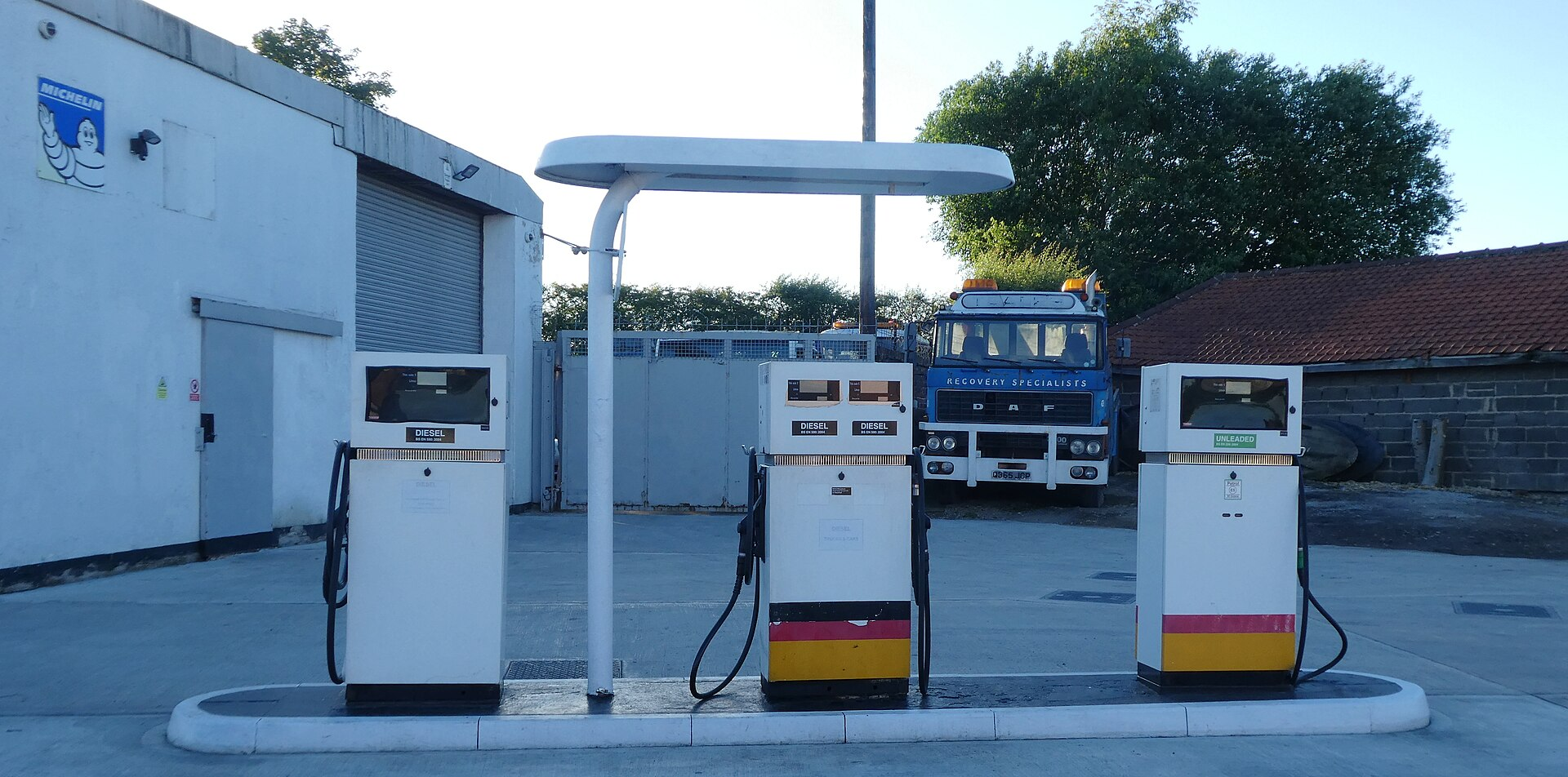
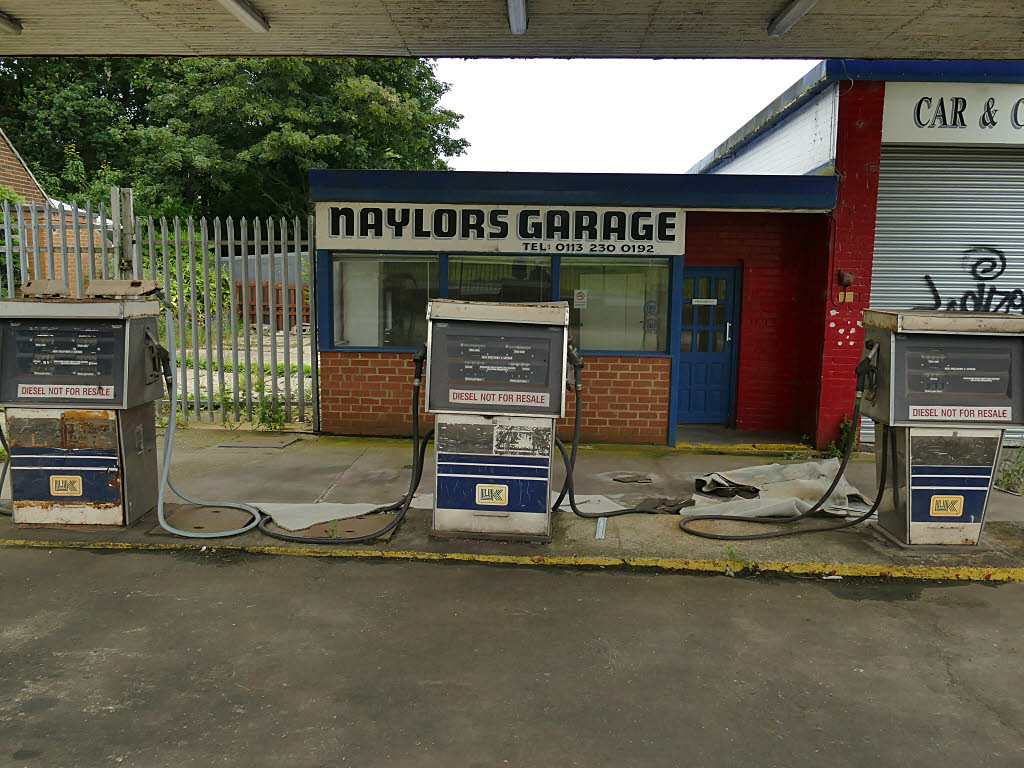
With US midterm elections in November, political pressure is mounting. Average US diesel prices surged to a record high of $6.50 per gallon late last month, according to AAA. In the UK, the latest RAC figures show average diesel pump prices at 199.79p per litre, up from 142.38p.
Bessent turns up the pressure
US Treasury Secretary Scott Bessent urged Europe to release diesel supplies in a social media post on Thursday, arguing that US farmers, truckers, and businesses should not be left carrying the burden for global supply disruptions. He said allies “should accelerate delivery on their existing commitments and make additional supplies immediately available to address ongoing disruptions,” adding: “America is doing its part. We look to our allies to match their commitments with action.” Trump told reporters in Texas that he “may” ask European countries to release reserves. “We may do that. They have some diesel,” he said. On Wednesday, Trump said he is still “thinking about” banning diesel exports but acknowledged it may have a “negative impact” on gasoline. He previously said he is “very seriously” considering a ban but appeared to cool on the idea following a resurgence in crude exports through the Strait of Hormuz.
Europe pushes back
EU trade chief Maros Sefcovic said any US move to restrict diesel exports would be unexpected and have a negative impact on Europe’s economic outlook. Sefcovic discussed diesel supplies and prices with US Trade Representative Jamieson Greer at the G20 trade ministers meeting in Milwaukee. “We have every interest in working together on lowering the prices, be it on diesel or also other products from oil and gas supplies,” Sefcovic said. EU member states are holding crisis talks on Friday. A European Commission spokesperson said there were “lots of calls, lots of meetings” taking place, including with high-level contacts in the US administration. The bloc is vulnerable. The US supplied around half of the EU’s diesel imports in August, according to the IEA.
UK caught in the middle
The UK is heavily reliant on imported diesel, with over half imported and 31% of imports coming from the US. The country has four refineries that make more than enough petrol but not enough diesel for domestic needs, according to the BBC, leaving it exposed to any disruption in transatlantic supply. UK Energy Minister Martin McCluskey was on a call with European counterparts on Thursday to discuss the potential ban. According to the Department for Transport, there were 15.1 million diesel vehicles on UK roads at the end of June, down from 15.7 million a year earlier, including 9.8 million diesel cars, down from 10.4 million a year before.
What Europe has in the tank
The EU holds nearly 109 million tons of emergency crude and fuel stocks, with around a third in diesel and related products. IEA rules require member states to hold oil stocks equivalent to 90 days of net oil imports. EU rules require reserves covering 61 days of domestic consumption. Some stockpiles remain. There are still European reserves left from a coordinated release of strategic fuel stocks earlier in the year.
A global squeeze
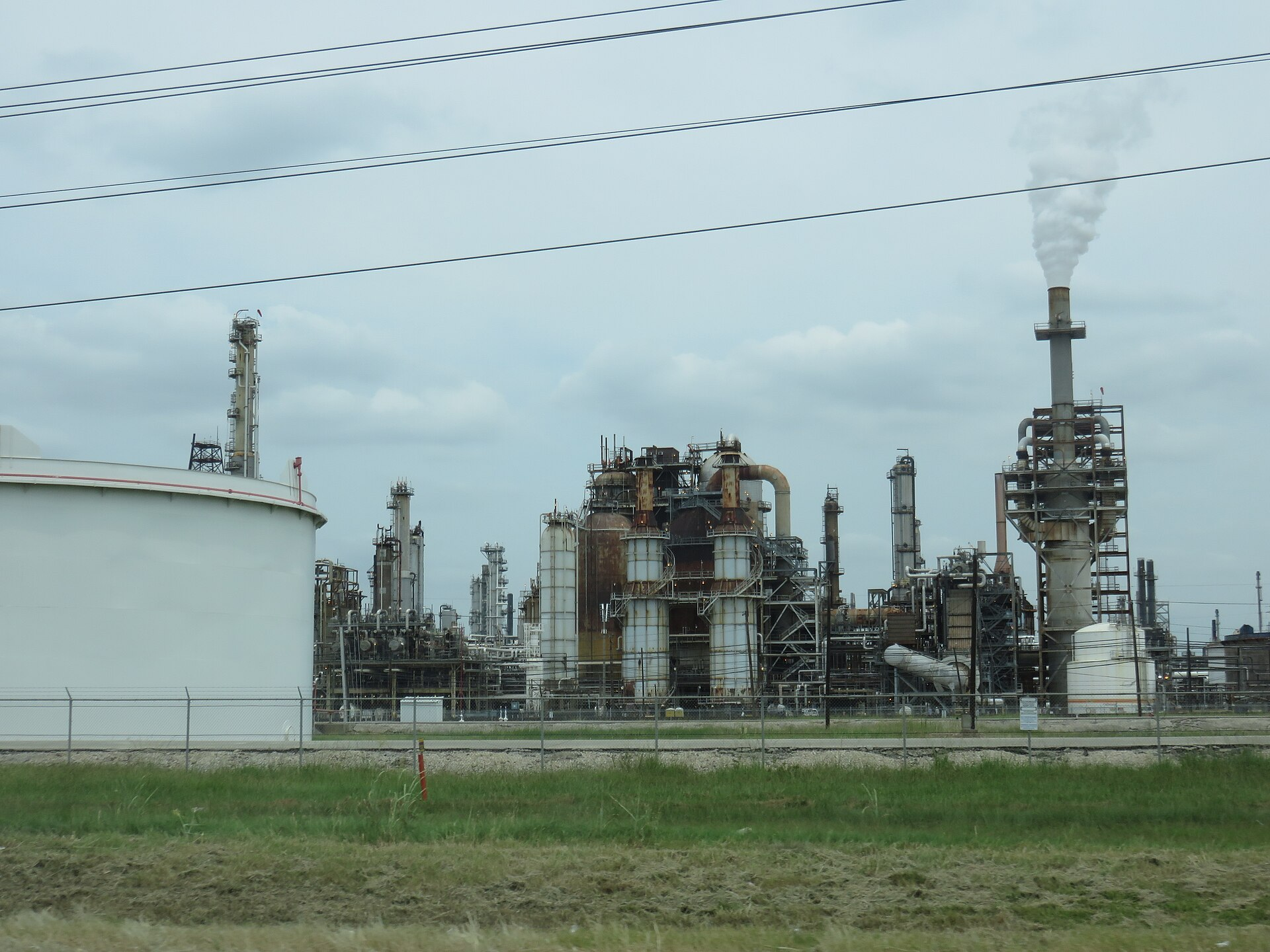
The Iran war that began in February has put severe pressure on the supply of refined fuels. The US and Israel attacked Iran in late February, disrupting Strait of Hormuz ship traffic through a waterway that typically transports around a fifth of the world’s oil and gas. This week saw daily exports through the Hormuz return to prewar levels. Russia is a major supplier of diesel, and its export ban has added to price pressure. Chinese refiners have reportedly halted October exports of some fuel products as Beijing prioritises domestic supplies. The US exports between 1.2 and 1.5 million barrels of diesel per day. David Fyfe, chief economist at Argus Media, said cutting off American supply would likely cause international prices to skyrocket.
Walt Chancellor, a Macquarie Group energy strategist, said the core issue extends far beyond diesel. “The core issue the US faces is not a diesel problem. Nor is it a refined product problem. It may not even be a petroleum problem. It is a global energy problem,” he said in a research note. “So what is the solution then? In short, more oil through the Strait of Hormuz and out of the Middle East. Anything short of that is really just shuffling deck chairs,” he added.
Sources & methods
- BBC News reporting on US pressure to release diesel reserves, UK diesel market structure, European stockpile levels, and global supply disruptions Archived Oct 2, 2026
- CNBC reporting on US diesel prices, Treasury Secretary Bessent's social media post, EU trade chief Sefcovic's comments, and analyst perspectives from Macquarie Group Archived Oct 2, 2026
This article draws on reporting from BBC News and CNBC, including price data from AAA and RAC, supply data from the International Energy Agency, UK vehicle data from the Department for Transport, and statements from US and EU officials.