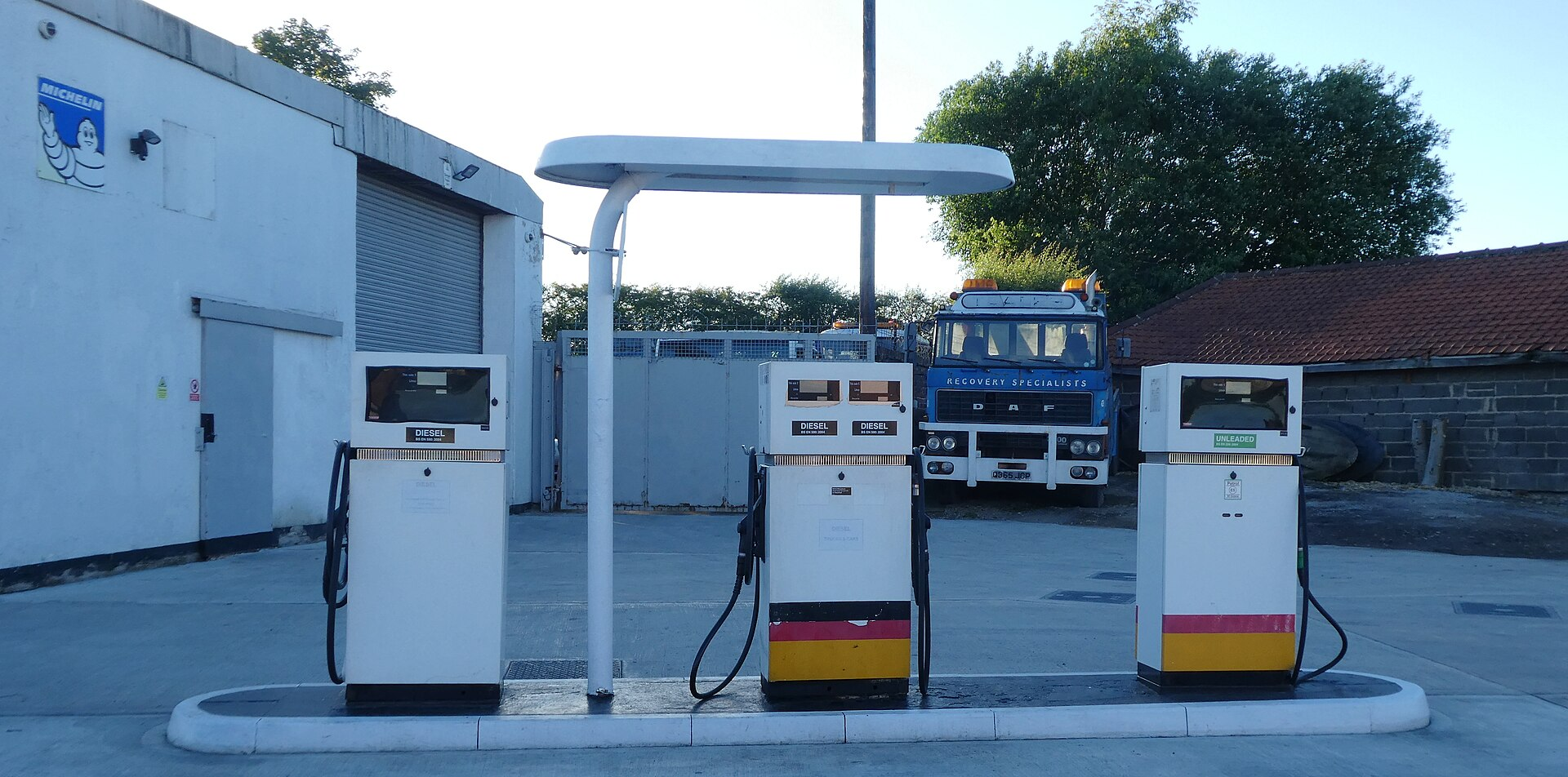
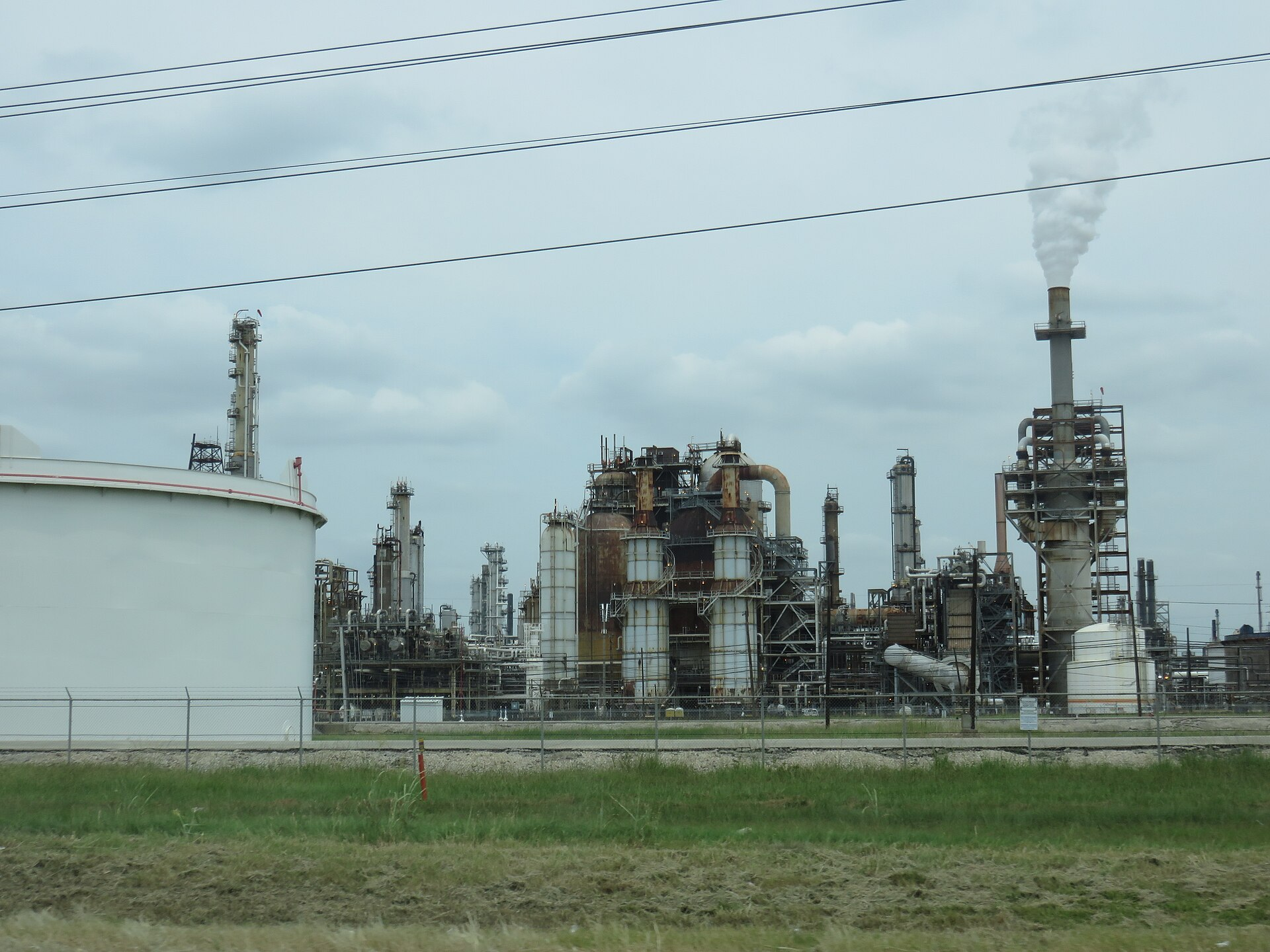
UK diesel price breaks £2 a litre for the first time as Trump threatens export ban
The record pump price coincided with EU crisis talks and Washington’s demand that Europe release strategic diesel reserves, sending oil lower on reports of a proposed stock drawdown.
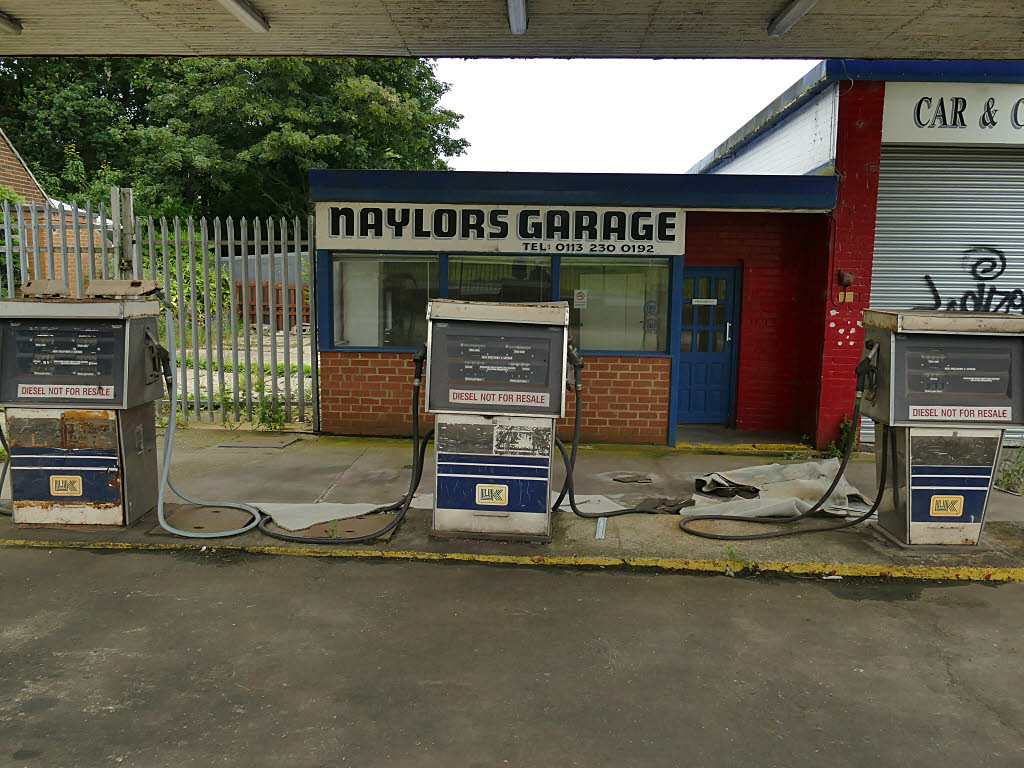
The UK average diesel price hit 200.01p per litre, a record, according to the RAC, marking the first time the fuel has risen above £2 a litre.
The milestone arrived amid a transatlantic standoff. US President Donald Trump threatened to ban American diesel exports, and Treasury Secretary Scott Bessent urged European countries to release diesel supplies immediately, arguing that American farmers, truckers, and businesses should not be left carrying the burden. The EU said it “fully rejects” the US threat. An EU spokesperson warned it “would undermine our trust in the United States as a reliable partner.” EU states are holding crisis talks on Friday. Oil prices fell on reports of a potential stock release.
Record pump prices
Diesel has surged by 40.5% since the start of the Iran war at the end of February, when it cost 142.38p per litre. A 55-litre tank now costs £110.01. That is approximately £31.70 more than on 28 February. The previous record was 199.09p, set in June 2022. Petrol is also rising, reaching 174.71p per litre on average, meaning a typical petrol car costs £96.09 to fill, up £23.03 since February.
“This is a pump price threshold that no-one wanted to cross – the average price of a litre of diesel has risen to a record 200.01p and is showing no signs of slowing, heaping more misery onto motorists. The cost of filling up an average family car is now £110, almost £32 more than it was at the start of the US/Iran war,” said Simon Williams, RAC head of policy. For an average 45mpg diesel car, that translates to roughly 20p per mile, meaning a driver covering 10,000 miles a year faces an annual fuel bill of about £2,020.
Why supplies are tight
The Iran war has disrupted the production and transportation of wholesale oil and refined products from the region, causing prices to surge worldwide. The Strait of Hormuz, which typically transports around a fifth of the world’s oil and gas, has been disrupted, pushing up prices of products made from oil. Ukrainian attacks on Russian refiners have further constrained diesel supplies on the world market. China has restricted or halted exports of refined fuels, prioritising domestic supplies. Russia’s invasion of Ukraine led to sanctions diverting Russian sales away from Europe; according to The Guardian, before the war Russia provided between 10% and 15% of the world’s diesel.
Transatlantic standoff
Keeping surplus diesel in the US would likely lower pump prices domestically ahead of the November midterm elections. Bessent said “American farmers, truckers, and businesses should not be left carrying the burden of a global diesel shortage,” urging Europe to accelerate delivery on existing commitments and make additional supplies immediately available. EU countries agreed in March to release some stocks as part of an internationally coordinated response to the Iran war, but not all have met those commitments. Reuters reported that France proposed EU nations release 50 million barrels of diesel and IEA members release 50 million barrels of crude oil. French President Emmanuel Macron will chair a G7 video call to discuss possible measures on world markets for crude and refined products.
Banning US diesel exports would likely ease prices for American motorists but push up prices elsewhere, including in the UK and the EU. The US exports between 1.2 and 1.5 million barrels of diesel per day, with most going to Latin America. The US supplied around half of the EU’s diesel imports in August, according to the International Energy Agency. European countries including France, the Netherlands, and the UK import significant amounts of diesel from the US following the reduction in Russian and Middle Eastern sources.
Markets respond
Brent crude December futures traded down 2.5% at $99.78 per barrel. West Texas Intermediate November futures fell 3.7% to $89.42. Europe’s benchmark diesel futures contract fell nearly 6% to as low as $1364 a tonne. Trump appeared to cool on the export ban idea earlier in the week following a resurgence in crude exports through the Strait of Hormuz.
UK exposure
Over half of the diesel bought in the UK is imported. The UK has four refineries, which produce more than enough petrol to meet demand but not enough diesel to meet the country’s needs, according to industry reporting. The Netherlands and Belgium together provide more than a third of UK diesel imports. There were 15.1 million diesel vehicles on UK roads at the end of June, down from 15.7 million a year earlier. “We have a diverse and resilient supply. We continue to engage with our international partners and the UK fuel industry,” a UK government spokesperson said. The government has stressed there is no cause for concern about potential diesel shortages, though prices are expected to rise further.
Wider fallout
Eurozone inflation surged to 3.8%, according to The Guardian’s business live coverage. Analysts at ABN Amro predict high fuel prices are likely to push eurozone inflation to 4% by the end of the year and expect two additional ECB rate hikes, taking the deposit rate to 3%. The UK average two-year fixed residential mortgage rate has risen to 5.96%, the highest in more than two years.
The EU holds nearly 109 million tons of emergency crude and fuel stocks, with around a third in diesel and related products. IEA rules require member states to hold oil stocks equivalent to 90 days of net oil imports, while EU rules require reserves to cover 61 days of domestic consumption. UK Energy Minister Martin McCluskey was on a call with European counterparts on Thursday to discuss drawing down reserves.
Sources & methods
- BBC News, UK diesel price coverage Archived Oct 2, 2026
- BBC News, US pressure on Europe over diesel reserves Archived Oct 2, 2026
- CNBC, oil prices and stock release reports Archived Oct 2, 2026
- The Guardian, business live coverage Archived Oct 2, 2026
Reporting based on RAC fuel price data, Reuters reporting on the French stock-release proposal, IEA supply figures, UK Department for Transport vehicle statistics, UK refinery capacity data from industry reporting, eurozone inflation figures and pre-war Russian diesel supply data from The Guardian’s business live coverage, government statements from the UK and the EU, and market futures pricing from exchange data.