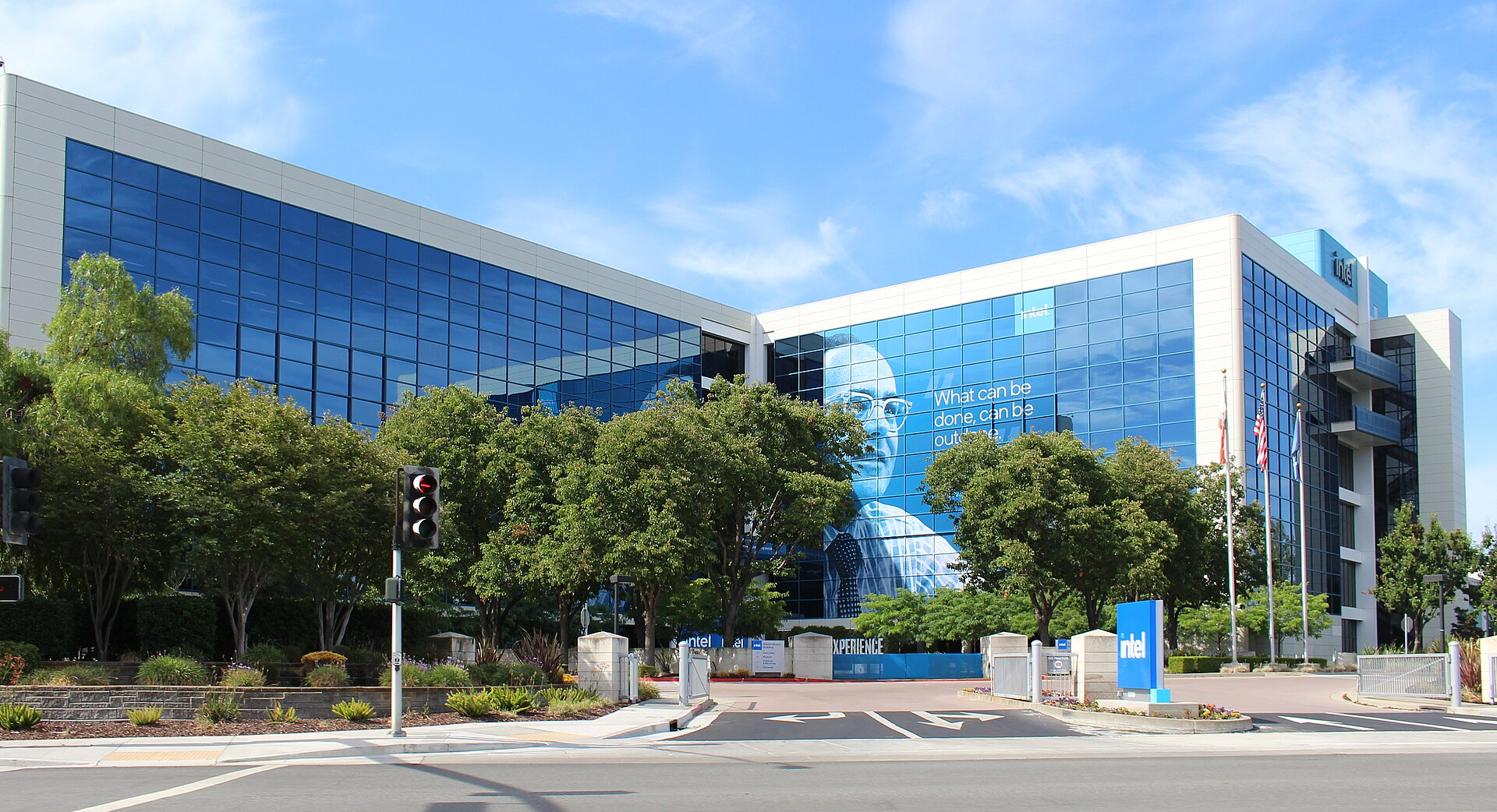
Intel suffers its worst trading day in decades as the Nasdaq posts its worst monthly slide since March 2025 and AI spending scrutiny intensifies
A brutal week of tech earnings has exposed investor fatigue with capital-intensive AI bets, wiping billions from Intel, Alphabet, and Amazon.
Intel shares fell 28-29% on Friday, and the Nasdaq closed 2.9% lower, capping a punishing week for technology stocks as investors recoiled from near-$1tn in AI infrastructure commitments with no proven payoff.
The Nasdaq ended October with its worst monthly slide since March 2025. Intel shed more than $130 billion in value on the day, a collapse that wiped out months of gains and dragged the broader chip sector lower.
Intel’s grim forecast
Intel forecast Q4 revenue of $15-16 billion, below analyst expectations of around $17 billion, and guided to 25 cents adjusted EPS versus an analyst expectation of 43 cents. The company said it did not expect positive cash flow this year due to heavy investment, and its gross profit margin is expected to decline to 37% from 43%. The figures landed as a blunt rebuke to the optimism that had carried the stock higher for most of the year, and they crystallized fears that Intel’s turnaround under CEO Lip-Bu Tan, hired in March 2025, will require far more time and capital than shareholders had been pricing in.
Finance chief David Zinsner said the PC slowdown is expected to continue at least through the first half of next year, a warning that compounds the pressure on Intel’s core business. PC market weakness is tied to rising costs for memory and other components, which have pushed up system prices and squeezed already limited IT budgets. Global PC shipments declined 4% in Q2 year-over-year, per Counterpoint Research. Tan elaborated on the call: “Our customers began signaling a PC slowdown based on the memory prices and availability. Year-to-date system endpoint prices have increased significantly, placing additional pressure on already limited IT budgets.”
D.A. Davidson downgraded Intel to neutral from buy on Friday in a report titled “Not fixed yet.” Heading into Thursday’s earnings, Intel shares were up about 150% year-to-date, buoyed by demand for central processors tied to agentic AI workloads. Even after Friday’s collapse, Intel stock is still up more than 70% for the year, though the downgrade signals that Wall Street’s patience is wearing thin.
Government and Nvidia stakes hammered
The U.S. government holds a 10% stake in Intel, acquired under the Trump administration over a year ago, and the value of that holding dropped about $12 billion on Friday. Nvidia also took a stake in Intel and saw the value of that holding drop by about $6 billion. Both stakes remain profitable on paper given Intel’s year-to-date gains, but the single-day erosion underscores how exposed large institutional holders are to Intel’s volatile trajectory.
Foundry turnaround faces long runway
Intel CEO Lip-Bu Tan is leading a turnaround centered on the foundry business, positioning Intel as the only U.S.-based manufacturer of advanced logic chips and an alternative to Taiwan Semiconductor Manufacturing Co. Intel is in high-volume production of its most advanced 18A chip at its new fab in Arizona, but the company still has no external customers for its new chips. Tan said the company would have a couple of customers ready to announce in the next two quarters. The next Arizona fab is not expected to begin operations until 2028, meaning the foundry buildout will take years to translate into meaningful revenue. One bright spot: revenue from Intel’s data center business grew 78% year-over-year, though that growth is constrained until Intel can bring more fab capacity online and book external foundry customers.
An explosion at an Intel fab in Israel killed two workers and seriously injured a third earlier in October. The explosion will cost Intel about $600 million in lost revenue over two quarters and caused an extended shutdown impacting shipments of 10-nanometer chips.
AI spending under scrutiny
Alphabet lost more than $500 billion in market value on Thursday after it revealed that AI summaries appearing as the top answer to search queries were affecting core search advertising revenue. Alphabet expects to spend up to $205 billion this year, almost entirely AI-related. Amazon shares fell 1.4% after an earnings miss and negative free cash flow, and the company has committed to spending $220 billion this year on AI data centres, network equipment, and servers. Amazon reported that spending had increased six-fold over the span of three months. Looking further ahead, Meta, Alphabet, Oracle, Amazon, and Microsoft have committed to spending $800 billion between them in 2026, a figure that has sharpened investor demands for evidence that the outlays will generate returns.
The sell-off spread well beyond the megacap names. Reddit stock plunged 29% after weaker daily user figures and a warning that Google’s AI-driven search was hurting referral traffic. Roblox stock fell 18% as its daily active user numbers dropped. Among chipmakers, Nvidia fell 4%, Broadcom dropped more than 5%, and Qualcomm tumbled 11%.
Kathleen Brookes, XTB research director, captured the mood: “The AI trade has had a good run in recent years, but now investors want payback, and companies like Alphabet and Intel are in the crosshairs.” Chris Low of FHN Financial was similarly cautious, saying, “The thinking is that these signs suggest that the entire sector is going to slow down.” Matt Orton, Raymond James chief market strategist, offered a more measured view: “I don’t think this is a moment of reckoning but I think it’s a moment where investors should take a long thought about how positioning across the space still remains crowded even though the fundamentals are strong.”
Sources & methods
- BBC News, "US tech stocks see sharp falls as AI spending nears $1tn" Archived Oct 31, 2026
- CNBC, "Intel stock has worst day since 1970s, wiping about $12 billion off government's stake" Archived Oct 31, 2026
- TechCrunch, "Intel's stock crashes, knocking $12B from government's stake" Archived Oct 31, 2026
Reporting drawn from three published accounts of the October 2026 tech sell-off, cross-referenced for figures and quotes attributed to named executives and analysts.