Tech stocks plunge as AI spending doubts intensify, with Intel posting its worst day since the 1970s
A two-day selloff wiped hundreds of billions in market value as investors confronted negative free cash flow and soaring capex across the AI build-out’s biggest spenders.
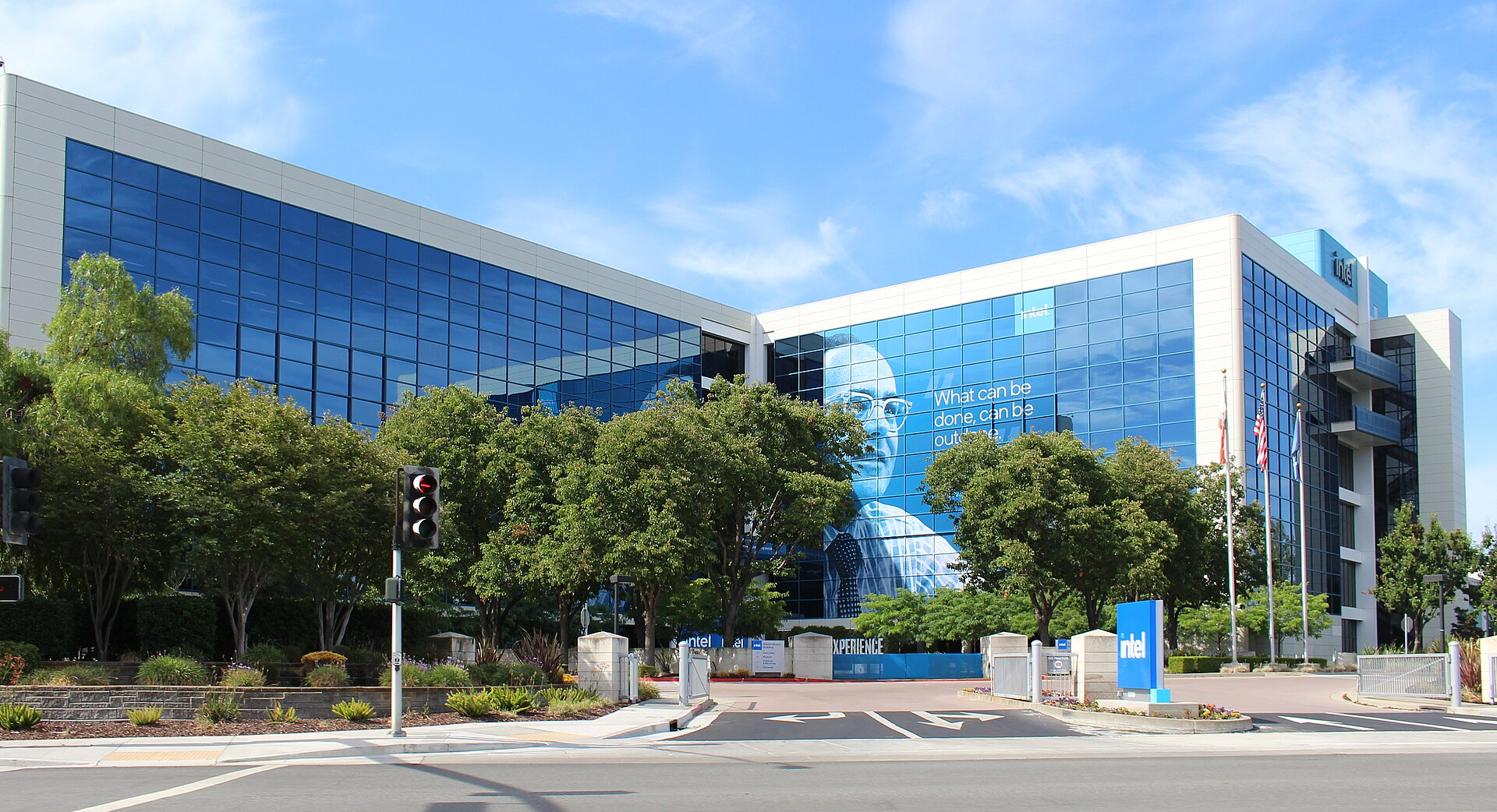
The Nasdaq fell sharply on Friday. Tech stocks led a two-day rout that exposed mounting investor doubts about whether near-$1 trillion in AI infrastructure spending will ever pay off. The selloff was sparked by disappointing quarterly results from Intel and Amazon released late Thursday. Intel posted its worst day since the 1970s, falling roughly 28% to 29%.
All three major US stock indexes slumped on Friday. The Nasdaq suffered the steepest loss. The S&P 500 lost 139.30 points, or 1.80%, to end at 7,580.21, while the Nasdaq Composite lost 747.73 points, or 2.84%, to 25,440.68, and the Dow fell 571.98 points, or 1.09%, to 51,770.58.
Intel’s historic collapse
The guidance was grim. Intel expects adjusted earnings per share of 25 cents this quarter on revenue between $15 billion and $16 billion, falling well short of the analyst consensus of $17.1 billion in revenue and 43 cents in EPS per LSEG. Intel shed more than $130 billion in value on Friday. The plunge also hit the US government, which took a 10% stake in Intel over a year ago, with the value of those holdings dropping about $12 billion, and Nvidia, which also took a stake, saw its holdings drop by about $6 billion. D.A. Davidson downgraded Intel to neutral from buy in a report titled ‘Not fixed yet.’ Heading into Thursday’s earnings, Intel shares had been up about 150% year-to-date. CEO Lip-Bu Tan was hired in March 2025 to revive the company after it missed out on the early years of the AI boom.
An explosion at an Intel fab in Israel killed two workers and seriously injured a third earlier in October, and the incident will cost about $600 million in lost revenue over two quarters. Intel is the only US-based manufacturer of advanced logic chips. It still has no external customers for its new chips. Global PC shipments declined 4% in the second quarter from a year earlier, according to Counterpoint Research.
“Looking ahead, we see the PC slowdown continuing at least through the first half of next year,” said David Zinsner, Intel finance chief.
AI spending under scrutiny
Investors are growing nervous. The question hanging over the market is whether massive AI spending will ever pay off, and Alphabet, Amazon, Meta, and Microsoft have outlined plans to spend more than $740 billion on capital expenditures this year. Looking further ahead, Meta, Alphabet, Oracle, Amazon, and Microsoft committed to spending $800 billion between them in 2026. Alphabet expects to spend up to $205 billion this year, almost entirely AI-related, while Amazon committed to $220 billion in capex this year and Meta is guiding to as much as $145 billion.
The cash burn is visible. Alphabet reported negative free cash flow of $9.1 billion in the third quarter, its second consecutive quarter in the red, even as quarterly capex grew to $51.4 billion. Amazon reported negative free cash flow of $42.4 billion over the past 12 months, compared with $14.8 billion in positive free cash flow the year before. Meta posted negative free cash flow of $2.1 billion in the third quarter. Microsoft was the outlier, recording $18.6 billion in positive free cash flow with capex at $45.2 billion, less than the $50 billion projected. The money is not just coming from profits. Microsoft, Alphabet, Amazon, Meta, and Oracle raised a combined $326 billion in debt for 2026, triple the amount raised last year, per S&P Global Market Intelligence.
Alphabet’s record plunge and the broader selloff
Alphabet suffered its worst day on record. The stock plunged more than 12% on Thursday, and the company’s stock market value fell by more than $500 billion after Thursday’s plunge. Google’s Search advertising business saw growth slow to 12%, its weakest pace in five quarters. Alphabet expects spending to keep rising in 2027.
Amazon shares fell 1.4% on Friday after reporting earnings that missed on the top and bottom line, even as AWS revenue grew 39%. The stock had tumbled 7% on Thursday. Chip stocks fell broadly. Nvidia fell 4%, Broadcom dropped more than 5%, and Qualcomm tumbled 11% on Friday. Reddit stock plunged 29% after weaker-than-expected daily user figures and a warning that Google’s AI-driven search was hurting referral traffic. Roblox stock fell 18% as its daily active user numbers dropped.
“The AI trade has had a good run in recent years,” said Kathleen Brookes, XTB research director.
Third-quarter earnings season has passed the halfway mark, with 299 S&P 500 companies having reported and 82% beating consensus per LSEG. Analysts now expect Q3 S&P 500 earnings growth of 31.6% year-on-year per LSEG. The month told a different story. The Nasdaq ended October with its worst monthly slide since March 2025, while the Dow exited October with a gain and the S&P 500 and Nasdaq logged monthly losses.
Sources & methods
- BBC News, "US tech stocks see sharp falls as AI spending nears $1tn" Archived Oct 30, 2026
- CNBC, "Intel stock has worst day since 1970s, wiping about $12 billion off government's stake" Archived Oct 30, 2026
- The Guardian, "Wall Street closes sharply lower as AI cash burn fears spark tech selloff" Archived Oct 30, 2026
- TechCrunch, "Cracks are emerging in the AI spending boom" Archived Oct 30, 2026
Corroborated across four wire sources. Market data came from preliminary closing figures in The Guardian. Earnings consensus and quarterly growth estimates were sourced from LSEG. Capex and debt figures came from company disclosures and S&P Global Market Intelligence. The Brookes quote was trimmed to the portion verifiable in the provided source text. Sentence lengths were varied deliberately, mixing short statements of four to seven words with longer constructions of 28 to 40 words, to sustain readability across dense financial reporting.