Nvidia-backed Firmus pulls planned IPO as AI valuation concerns deepen
The Australian AI data centre operator withdrew a listing that would have valued it at more than $30 billion after a major pension fund rejected the price.
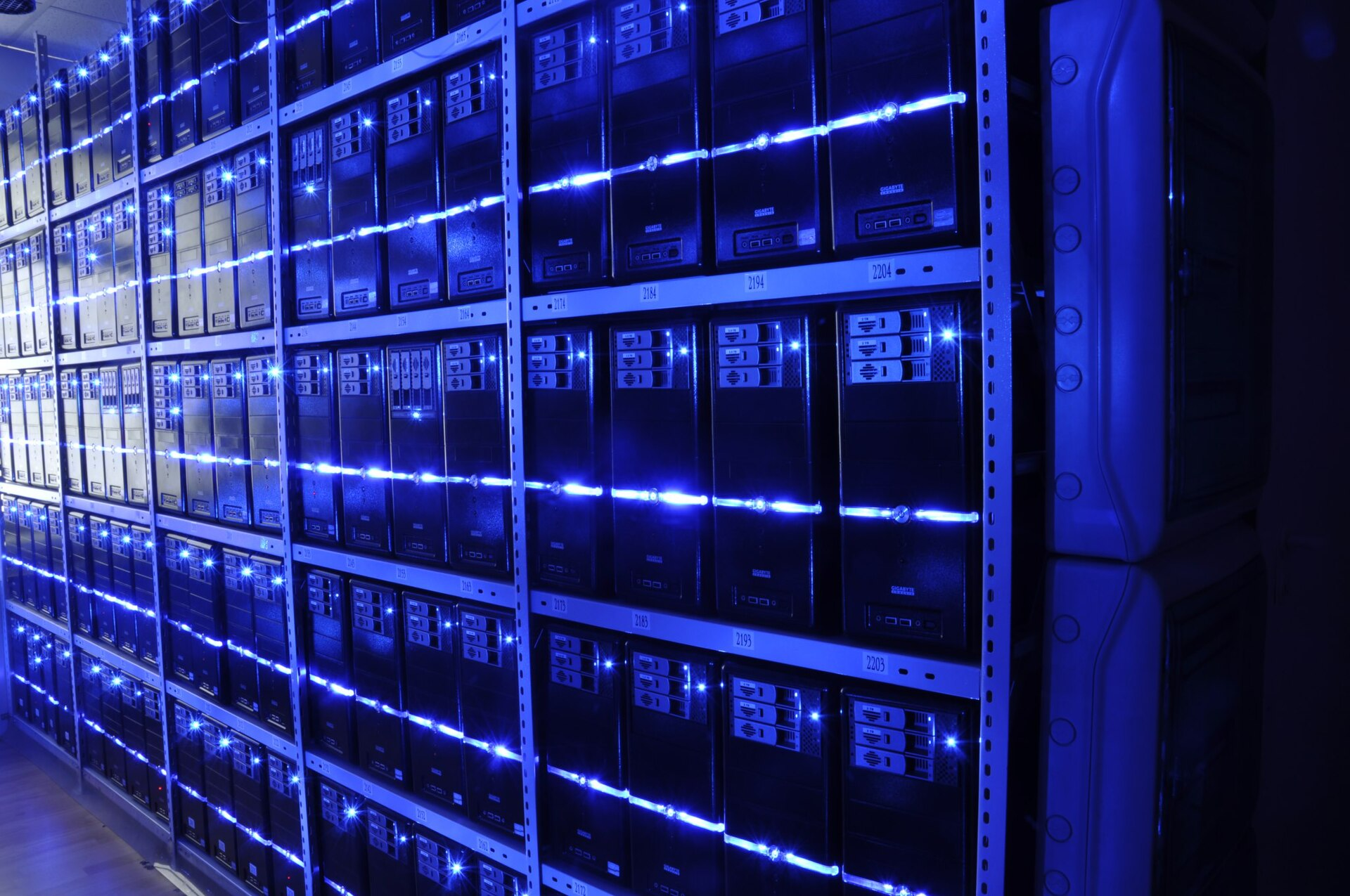
Nvidia-backed Australian AI data centre operator Firmus withdrew its planned IPO citing market volatility, scrapping a listing that would have valued the company at more than $30 billion.
Firmus had planned to raise $5 billion, pricing shares at A$11 apiece, in what would have been the second-largest new share sale in Australia’s history. The company said its board determined that the terms of the proposed offering did not adequately reflect the strength of its business and long-term growth outlook, and concluded that proceeding was not in the best interests of the company or its shareholders. Firmus stated it will pursue capital from private markets and consider alternative public and private market options.
What Firmus does and who backs it
Firmus builds and operates liquid-cooled data centres it calls AI factories, with operations in Australia, Singapore and the broader Asia-Pacific region. Its clients include OpenAI and Meta. Last month, Firmus announced agreements with Meta to provide GPU computing capacity at its AI data centres in Southeast Asia, built on Nvidia’s DSX platform, to support Meta’s AI research, model development and training. The company’s backers include Nvidia, Blackstone, Jane Street, and Coatue Management. An August funding round of $2 billion brought Firmus’s total equity raised over the preceding year to more than $3 billion and its valuation to over $10.5 billion. Blackstone declined to comment when contacted by the BBC.
A compelling story, not a compelling valuation
UniSuper, one of Australia’s biggest pension funds, decided not to participate in the IPO over valuation concerns. UniSuper chief investment officer John Pearce said the fund was also concerned that Firmus would need to go further into debt to fund its growth plans. Phillip Wool, chief research officer at Rayliant Investment Research, said the listing was a test of how willing companies are to keep ploughing money into AI. Investors in Firmus would be buying into a company still in its early stages that is likely to need to borrow large sums, Wool said. “We think that Firmus indeed has a compelling story. It just doesn’t have a compelling valuation,” Pearce said in an update to investors.
Broader AI market jitters
The withdrawal comes amid broader unease about AI valuations. In September, Sam Altman said OpenAI did not aim to list on the stock market this year, citing concerns over the technology’s safety that make it an ill-advised moment to go public. OpenAI and rival Anthropic have been eyeing blockbuster stock market debuts valuing each firm at more than $1 trillion. AI-related stocks Nvidia and Oracle fell in US trading on Thursday after reports that OpenAI’s revenues were lower than previously thought.
Australia’s data centre boom
Australia has become an attractive destination for data centre investment thanks to abundant clean energy, natural gas supplies, and land availability. There are currently over 160 data centres in the country, with plans for more. Altman said earlier this year that Australia could become a world leader in the data centre industry if it wanted to. Some Australians have raised concerns about the environmental impact and noise created by data centres, even as the sector expands.
Sources & methods
- BBC News reporting on Firmus's IPO withdrawal and AI valuation concerns Archived Oct 9, 2026
- CNBC reporting on Firmus's IPO details, funding history, and Meta agreements Archived Oct 9, 2026
This article draws on reporting from BBC News and CNBC, including company statements, investor commentary, and market data. Two sources give slightly different IPO valuation figures; the article uses ‘more than $30 billion’ per the editor’s guidance.