Trump drops select Canada tariffs days before Maine’s Senate election, but White House adds replacements within the hour
The exemptions give Susan Collins a tangible win in a toss-up race, though new tariffs on other goods followed almost immediately.
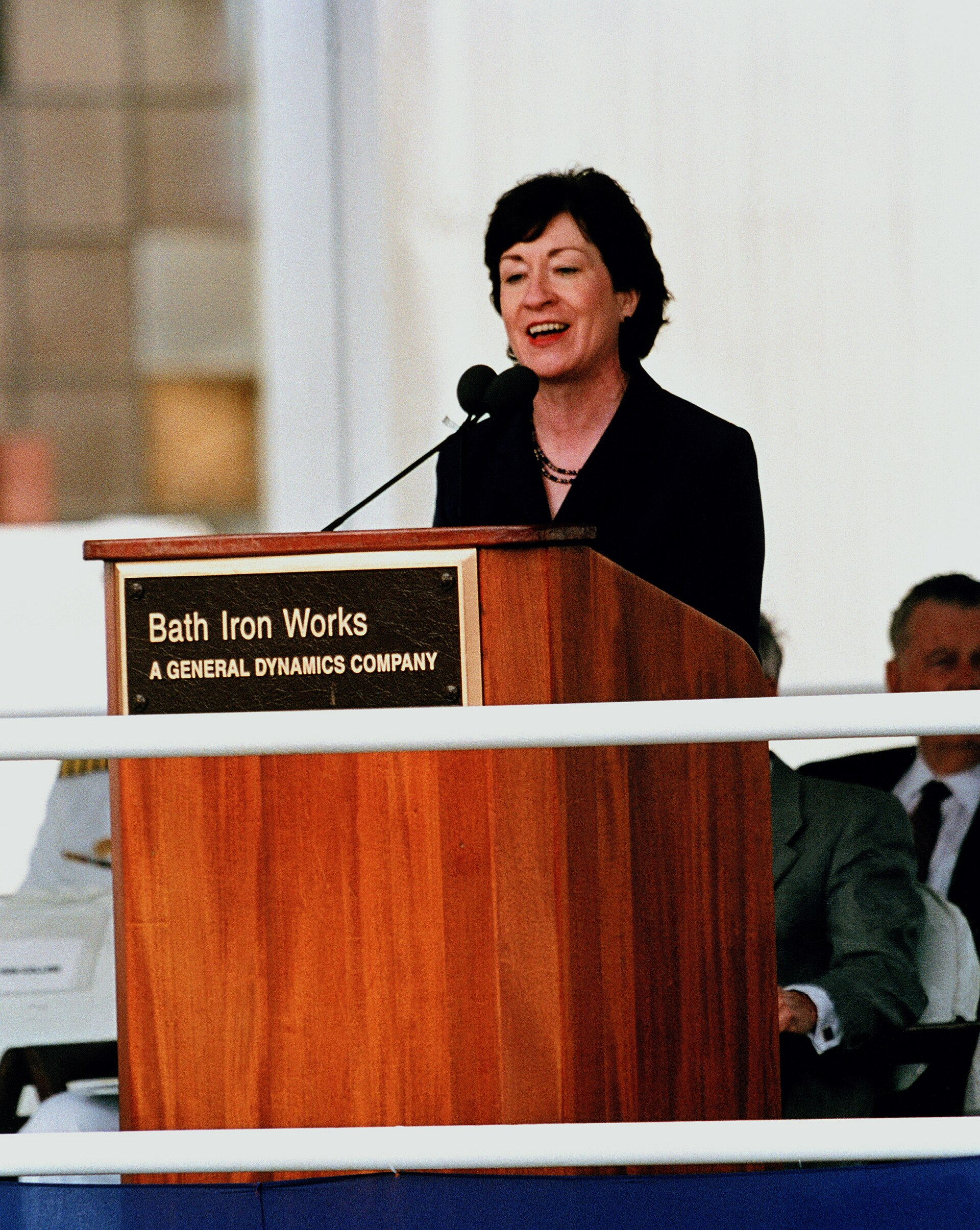
The White House announced Friday that the US would drop tariffs on some Canadian goods, less than an hour after Sen. Susan Collins first revealed the exemptions and credited herself for securing them.
The changes take effect October 30, four days before the November 3 midterm elections. Collins, a Republican senator from Maine, is running in a tight race that could determine control of the chamber. The White House said the removed products would be replaced with tariffs on other goods, including valves, carpets, and waste products. It announced those replacement tariffs less than an hour after Collins touted the exemptions — a detail her own statement did not mention.
What’s exempted and why Collins pushed for it
The exempted products include plywood sheets, paper products, certain machinery, and packing boxes and crates. Exempted agricultural products include blueberries, potatoes, apples, and seaweed. Collins said she asked USTR Jamieson Greer and Commerce Secretary Howard Lutnick for tariff relief, arguing that many Maine farmers rely on specialized equipment and materials from Canada that are unavailable from American suppliers or cannot be replaced without significant expense. Maine’s economy is deeply linked to Canada, and border industries have felt the strain of the month-long trade war acutely.
Trump signed a proclamation removing certain products from the tariff list using a 96-year-old trade law. The tariffs are known as Section 338 tariffs. The White House fact sheet detailing the changes does not mention Maine. The White House said the action was meant to offset the burden to US commerce from Canada’s discriminatory treatment of American goods.
Political fallout in a toss-up race
Collins has served in the Senate for nearly 30 years and is seeking her sixth term. The race is considered a toss-up and is crucial for Democratic hopes of flipping the Senate. Her Democratic opponent is Troy Jackson, a former logger who served in the Maine state senate. Jackson has attacked Collins for enabling Trump’s tariff policies, arguing she bears responsibility for the economic pain they caused. Collins and Jackson held a televised debate earlier in October. At the Oct. 6 debate, Collins took credit for removing road salt from the tariff list, and Jackson responded, “What about everything else? We can’t eat road salt.” Jackson pressed the case again on Friday. “Trump’s trade wars have made life harder and more expensive for Mainers,” he said in a statement. “Susan Collins enabled this chaos, voted to confirm the people behind it, and now wants credit for bringing a cup of water to put out the fire.”
Sen. Ron Wyden, the top Democrat on the Senate Finance Committee, called the move a desperate 11th-hour attempt to save Collins’ political career. Voters have already started casting ballots in the Maine Senate race.
Trade war backdrop and Canada’s response
The US and Canada have been in an escalating tariff war after trade talks collapsed this summer. Trump placed 50% tariffs on certain Canadian goods beginning 22 August. Canada announced retaliatory tariffs ranging from 15% to 50% on $20bn worth of American goods, though it later withdrew tariffs on American seafood, helping Maine’s fisheries. Canadian Prime Minister Mark Carney said Friday that auto exports to the US have fallen 10% and US exports to Canada have fallen by more than 20%. Carney said Canada is open to a mutually beneficial deal but is willing to wait, potentially for months or another administration, before a proper agreement comes into place.
Trump said Friday that Canada is “working very hard” on a trade deal with the US. Collins said she would continue working with administration officials to seek additional relief and encourage a broader trade agreement with Canada.
Sources & methods
- The Guardian, reporting on the tariff exemptions and the Collins-Jackson Senate race Archived Oct 23, 2026
- BBC News, reporting on the White House announcement and US-Canada trade developments Archived Oct 23, 2026
- CNBC, reporting on the replacement tariffs and political dynamics in Maine Archived Oct 23, 2026
This article draws on reporting from The Guardian, BBC News, and CNBC, cross-referencing corroborated facts across at least two sources where available and clearly attributing single-source details.