Royal Mail will cut up to 2,500 back-office jobs by end of 2027 as new owner restructures the postal service
The reductions spare frontline posties and drivers but draw fierce pushback from unions and campaigners who say a failing service is being hollowed out.
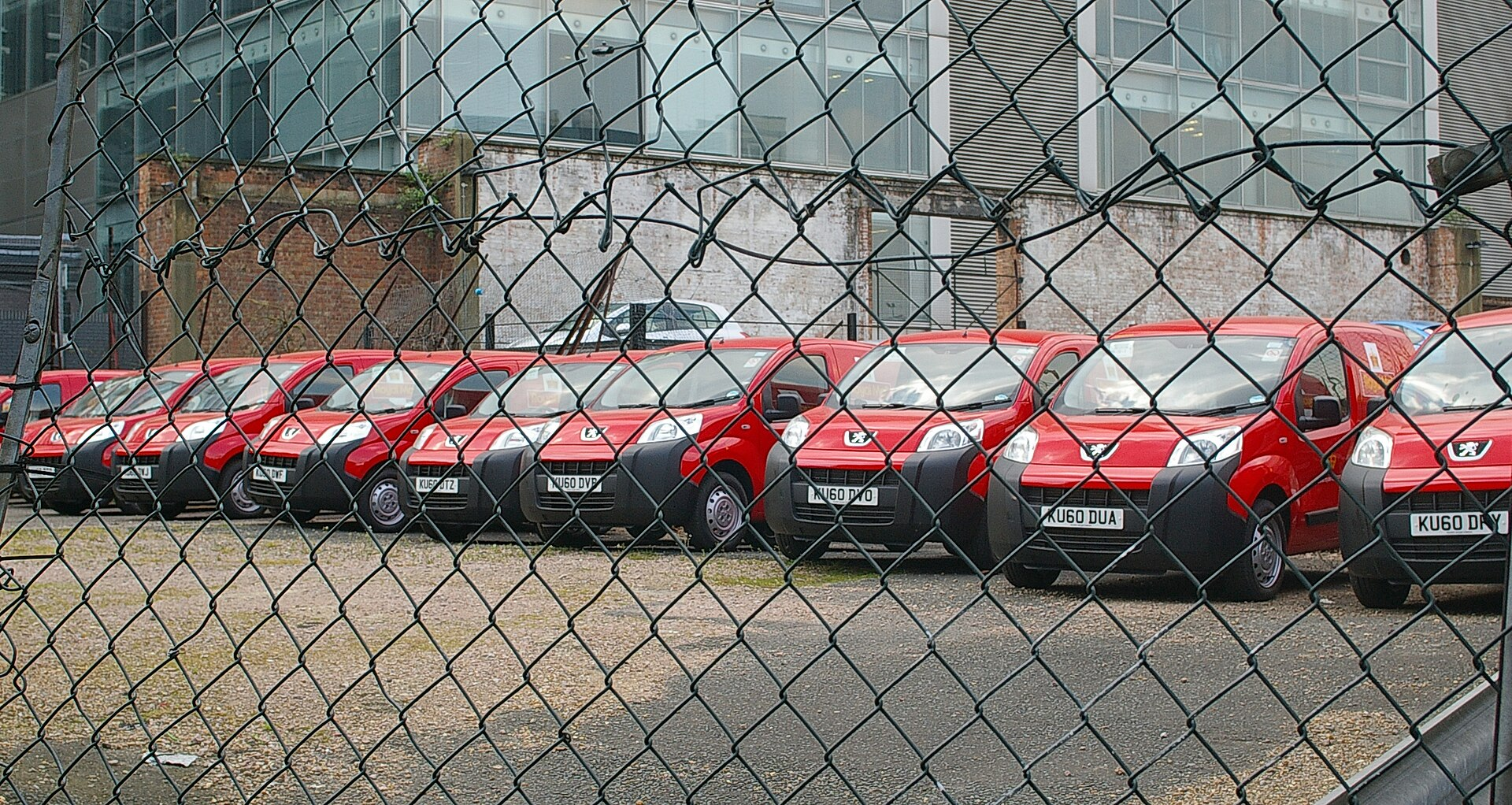
Royal Mail plans to cut up to 2,500 head office and support roles by the end of 2027 as its new owner restructures a postal service beset by falling letter volumes and missed delivery targets.
The cuts amount to less than 2% of Royal Mail’s workforce of more than 131,000 people, and frontline postal workers, including posties and drivers, are not part of the proposed restructuring. The company hopes to achieve the reductions through voluntary redundancies and natural attrition, without compulsory redundancies. Royal Mail is in formal consultation with the Communication Workers Union (CWU) and Unite CMA over the plans.
CEO says cuts remove duplication
Alistair Cochrane is the chief executive of Royal Mail. “These proposed changes remove duplication and allow us to invest further in the service we deliver for our customers,” he said. Cochrane added that the job cuts will not be easy but are an important part of building a stronger, simpler, and future-ready Royal Mail. The company has said it is investing £500m over the next five years as part of its improvement plan.
Unions and campaigners push back
The CWU said the announcement is further evidence of a company that is demoralising staff and failing to deliver for customers and the wider community. “We urge the government to confront the reality of a collapsing Royal Mail and intervene to save this national institution,” said Martin Walsh, the CWU’s deputy general secretary. Unite said the cuts would not improve Royal Mail’s quality of service, and that Royal Mail, regulator Ofcom, and the government had failed to address the serious problems facing the company.
Cat Hobbs, director of the campaign group We Own It, condemned the cuts. “This is absolutely disgraceful. The very last thing Royal Mail needs is massive staff cuts. It’s already failing to deliver letters - with reports of people picking up their own mail and the government saying statutory targets are not being met. This is despite increasing our stamp prices by a shocking 107% since privatisation in 2013. It’s truly shameful that this is the state of our once proud 500 year old Royal Mail.” Hobbs said Royal Mail could be bought back directly for around £3.6bn, and that shareholders have pocketed £2bn since privatisation. She said Andy Burnham must make good on his promise to reverse Thatcher’s legacy by taking Royal Mail back into public ownership.
Service failures and declining letter volumes
Just over 75% of first class letters were delivered on time in the year to the end of March, far short of the company’s 93% target. Royal Mail has been fined by the regulator for missing delivery targets in recent years. Letter volumes have declined by more than 70% since their peak. In March, postal workers across the UK told the BBC they were being asked to move or hide mail from senior bosses to make it look like delivery targets were being met. More than 100 MPs have written to Ofcom and the business secretary asking for action on poor service. Royal Mail has said its Universal Service Obligation, a legal requirement to deliver letters six days a week to every address in the UK, is outdated and needs reform. The company is owned by Daniel Kretinsky’s EP Group following the recent change of ownership. Kretinsky has previously said he will not walk away from the six-day delivery requirement as long as he is running the service. Royal Mail is separate from the Post Office.
Sources & methods
- BBC News, reporting on Royal Mail's planned job cuts, delivery performance, and union response. Archived Oct 7, 2026
- The Guardian, business live coverage of Royal Mail's restructuring announcement and campaign-group reactions. Archived Oct 7, 2026
This article was assembled from two published news reports, one from BBC News and one from The Guardian, corroborating shared facts across both sources and attributing single-source claims to their origin. Direct quotes are reproduced as recorded in the source texts.