UK GDP edges up 0.1% in August, beating contraction forecasts days before Healey’s first Budget
August’s surprise expansion caps a strong three-month run and lands just as the chancellor prepares an Oct. 28 Budget under tight fiscal constraints, with economists split on whether the momentum will hold.
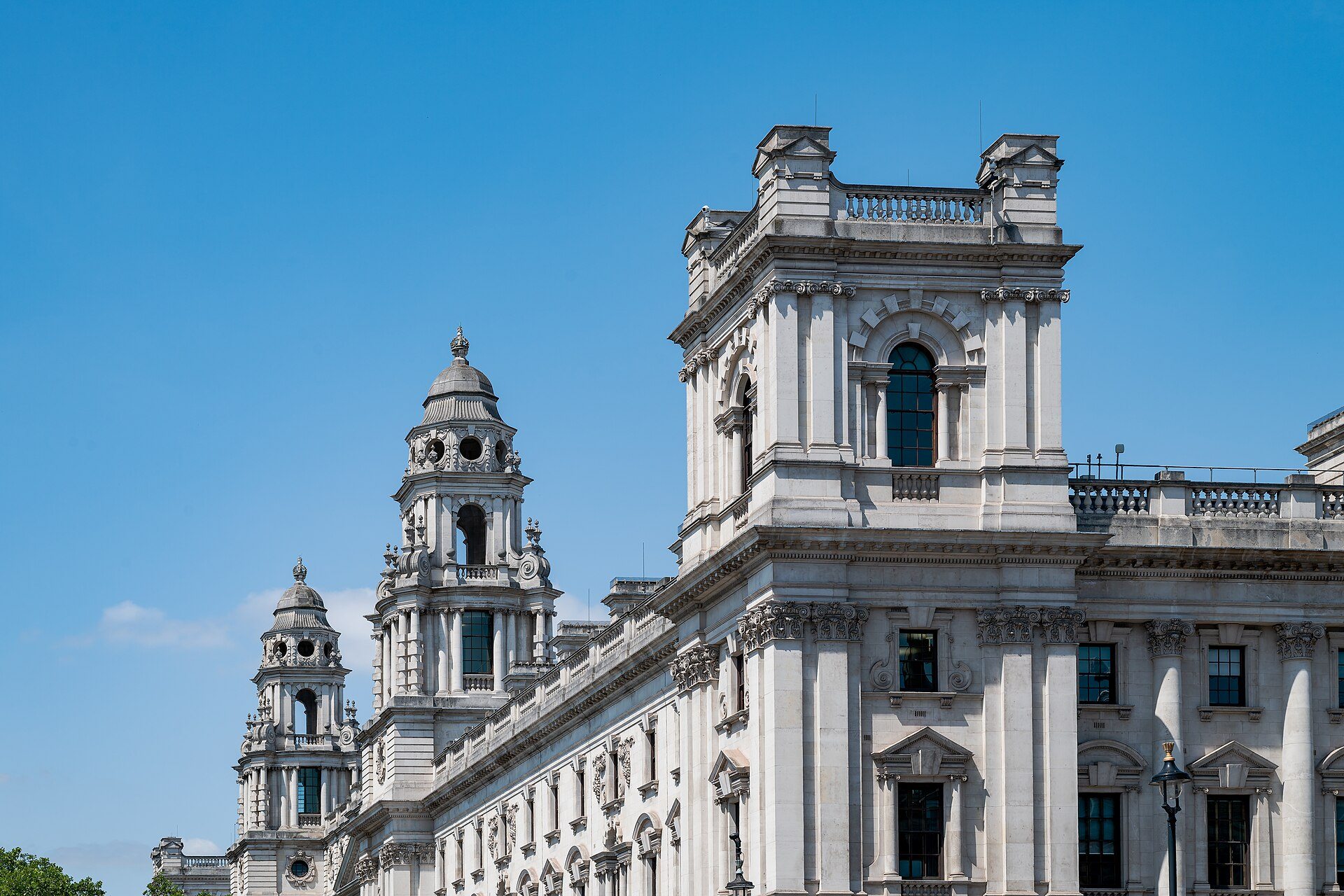
The UK economy grew 0.1% in August, beating expectations of a 0.1% contraction and handing Chancellor John Healey a modest tailwind days before his first Budget.
The expansion extends a strong run. GDP grew 0.7% over the three months to August, following growth of 0.4% in both June and July. The ONS upgraded its June estimate from 0.3% to 0.4%. On a year-on-year basis, GDP grew 2.1% in August, the highest reading since August 2022 and ahead of economists’ expectations of 1.7%. The figures landed less than two weeks before Healey’s first Budget, scheduled for Oct. 28.
The monthly gain was driven by production, which grew 0.8% in August, offsetting weakness elsewhere. The services sector was flat, and construction contracted 0.2%. ONS director of economic statistics Liz McKeown said computer programming was the biggest contributor to what she described as strong growth over the three-month period, though production and construction sectors both shrank over that same stretch.
Markets respond as Healey courts IMF in Bangkok
UK gilt yields fell following the GDP release. The 10-year gilt yield dropped, though readings differed by source: one put it nine basis points lower at 5.3364%, while another said it fell 10 basis points to 5.33%. Thirty-year gilt yields fell 10 basis points to 5.8%. The pound jumped 0.4% against the US dollar. Healey is attending the IMF annual meeting in Bangkok, where the fund upgraded its UK growth forecast and praised the country’s fiscal discipline. IMF managing director Kristalina Georgieva said the UK was seeing a bit of a better growth prospect than other G7 nations.
Sanjay Raja, chief UK economist at Deutsche Bank, said the UK remains the fastest growing G7 economy. “The U.K. economy remains the fastest growing G7 economy. What’s more impressive? If you believe the HMRC jobs data, U.K. GDP growth hit 1.8% in the first eight months of the year, with 95k FEWER jobs. Who said productivity growth was dead in the U.K.?” Raja noted that consumer-facing services, construction, and IT sectors all slipped from the previous month. Suren Thiru of ICAEW, cited in The Guardian, said August’s uptick all but confirms the OBR will raise its growth forecast for this year from 1.1% to 1.4%. Joe Nellis of MHA said the slowing economy will weigh on Healey’s fiscal headroom, warning that rising debt interest costs have severely constrained the government’s room to maneuver. Scott Gardner of J.P. Morgan Personal Investing said the outlook for the rest of the year remains uncertain, with a tricky Budget ahead.
Shadow chancellor Andrew Griffith said construction has shrunk for four months in a row, with private housebuilding falling fastest. Paul Dales of Capital Economics said Britain’s economy was stronger than expected but warned that inflation would dampen growth. The Conservatives said the figures conceal worrying trends in key sectors.
Raja warned of hiccups to come as energy prices bite household incomes and higher rates drag on spending and investment. The UK, a net energy importer, is grappling with a cost-of-living crisis sparked by sticky inflation and surging energy costs.
Sources & methods
- BBC News, UK economy sees surprise growth in August ahead of Healey's first Budget Archived Oct 15, 2026
- CNBC, UK economy grew 0.1% in August, beating expectations Archived Oct 15, 2026
- The Guardian, business live coverage, Oct. 15, 2026 Archived Oct 15, 2026
Figures sourced from ONS GDP release (Sources 1 and 2), Reuters polling (Source 2), HMRC jobs data cited via Deutsche Bank (Sources 2 and 3), ICAEW forecast analysis (Source 3), and market data from CNBC and The Guardian reporting (Sources 2 and 3).