US inflation rose to 3.7% in September as gasoline prices surged, putting pressure on the Fed weeks before the midterms
The final consumer price index report before the November 3 elections showed prices rising faster than expected, driven largely by fuel costs tied to the Iran war.
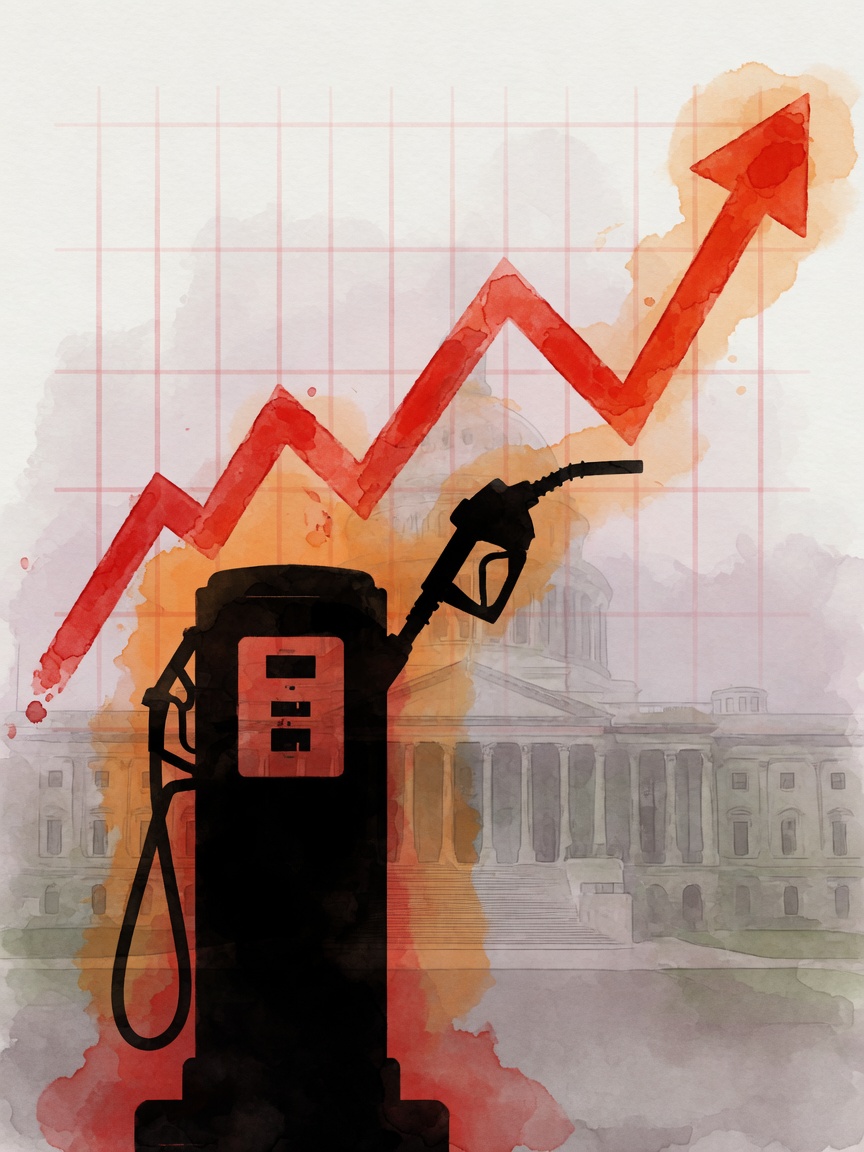
US inflation rose to 3.7% in the year to September, up from 3.4% in August, the Bureau of Labor Statistics reported on Wednesday.
Overall consumer prices rose 0.6% from August to September, exceeding forecasts. The inflation report was the final one before the midterm elections next month, which are scheduled for November 3. Economists say the inflation data increases pressure on the Federal Reserve to raise interest rates again at its upcoming policy decision later this month.
Gasoline and the Iran war drive the surge
Gasoline prices rose 9.1% in September alone, accounting for more than half of the monthly CPI increase. Gas prices are up 34.2% over the last year. The average nationwide price for a gallon of gasoline was $4.33 on Wednesday, according to AAA. Fuel oil prices increased by 74.2% over the year, and overall energy inflation was up by 20.4% over the year.
The Iran war began at the end of February, when the U.S. and Israel launched strikes on Iran. The war severely crimped oil flowing through the Strait of Hormuz, a key transit artery for global crude. Crude oil was trading at just over $70 a barrel before the US-Israel war with Iran and is currently over $100. Higher energy prices from the Iran war have cost Americans more than $1,020 per household, according to Brown University, and a total of $133bn for all US consumers. “The war’s fingerprints are all over the report,” said Mark Zandi, chief economist at Moody’s. “It’s driving a lot of the inflationary pickup.”
Core inflation and the Fed
Core inflation, which strips out food and energy prices, was 2.6% in September, up from 2.4% in August. The Federal Reserve targets a long-term annual inflation rate of about 2%, and inflation has been above that target for more than five years. The Federal Reserve raised interest rates last month by 25 basis points, bringing the target range to 3.75–4.00 percent. CME FedWatch shows a 52.9 percent chance rates will remain at 3.75–4.00 percent and a 47.1 percent chance of a quarter-point hike to 4.00–4.25 percent. Wells Fargo Investment Institute analysis says inflation pressures will likely push the Fed to hike rates between now and spring 2027.
The Nasdaq fell 0.8 percent and the S&P 500 dropped 0.6 percent, while the Dow Jones Industrial Average was roughly flat in midday trading following the inflation report. The 30-year mortgage rate is up to 7.40%. Treasury bond yields have increased sharply in recent months, putting upward pressure on rates for mortgages, auto loans and other consumer debt. The University of Michigan’s index of consumer sentiment sunk to its second-lowest reading on record in September.
Political fallout ahead of the midterms
A Reuters/Ipsos poll showed about 78% of Americans blame President Donald Trump’s policies for price increases, including 57% of Republicans who support Donald Trump, who blame the Trump administration’s policies for inflation outpacing earnings. President Donald Trump has introduced tariffs on US trading partners, which have contributed to inflation. Trump defended his record on the economy during a rally in Wasilla, Alaska on Tuesday. Richard Carter, head of fixed interest research at Quilter Cheviot, said Trump has allowed Russian diesel back into the market in an effort to show he is getting inflation under control. September’s inflation rate is the highest before a midterm election, with the exception of the pandemic, since 1990.
Social Security cost-of-living adjustment
The Social Security Administration announced a 3.6% cost-of-living adjustment for benefits in 2027. The 3.6% Social Security rise will mean an average retirement benefit increase of $75 a month. The cost of living adjustment will take effect in January for about 72 million people, while increased payments for 7.2 million receiving supplemental security income will start on 31 December. An AARP survey found 76% of respondents said a 3.5% COLA would not be enough.
Food inflation remained flat in September and was 2.5% across the year. Shelter costs jumped 0.4 percent from the previous month, following a 0.3 percent increase in August. Airline fares are up 22.4% over the past year. Prices for computer software and accessories have jumped 28 percent from the same time last year amid heavy investment in AI infrastructure.
Sources & methods
- BBC News, US inflation rises more than expected Archived Oct 14, 2026
- Al Jazeera, US inflation rises before midterm elections, fuelling rate hike fears Archived Oct 14, 2026
- CNBC, Here's the inflation breakdown for September 2026 Archived Oct 14, 2026
- The Guardian, US inflation rose to 3.7% in September in blow to Republicans before midterms Archived Oct 14, 2026
Reported from Bureau of Labor Statistics CPI data, AAA fuel price tracking, CME FedWatch rate probability data, Reuters/Ipsos polling, AARP survey data, Brown University cost estimates, and Wells Fargo Investment Institute analysis. Quotes verified against source texts.