Former gang leader Duane ‘Keffe D’ Davis found guilty of orchestrating Tupac Shakur’s 1996 murder
A Las Vegas jury convicted the 63-year-old after deliberating for hours, ending a cold case that haunted hip-hop for nearly three decades. Davis faces a maximum sentence of life in prison.
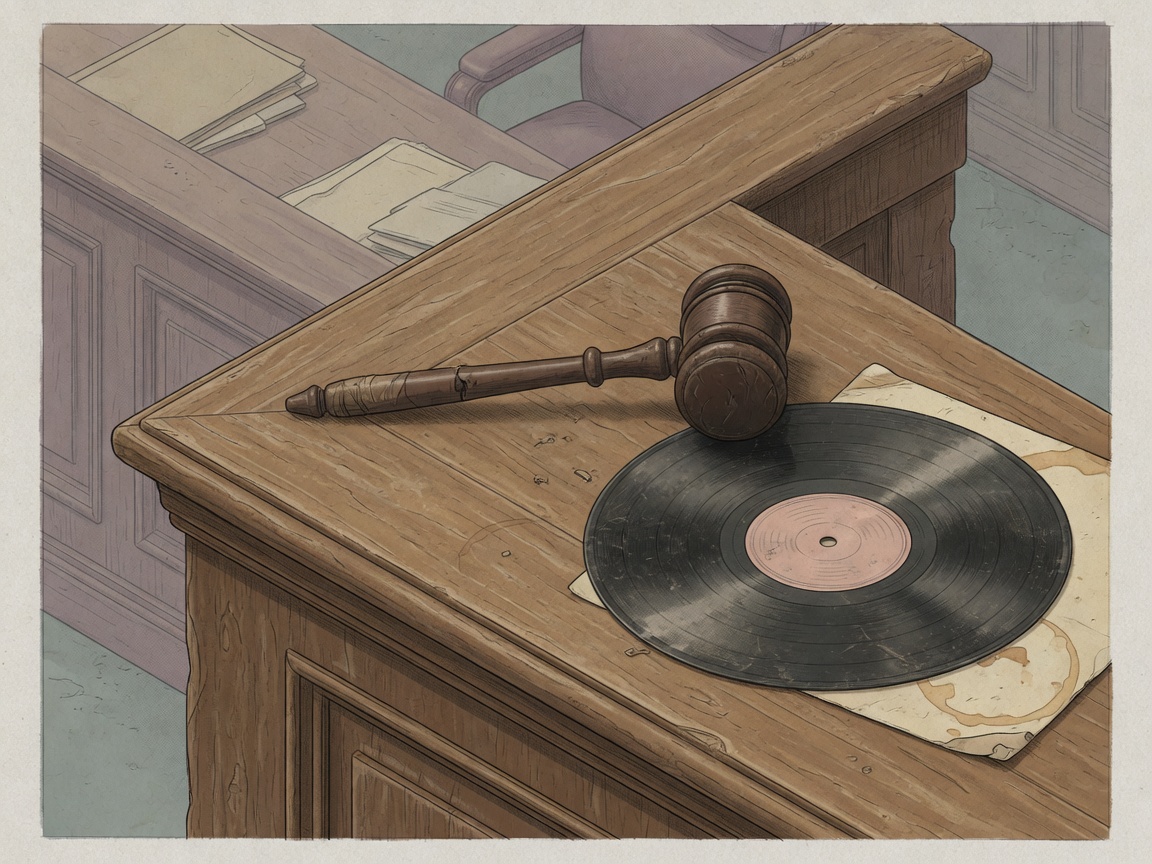
A jury in Las Vegas has found Duane “Keffe D” Davis guilty of orchestrating the 1996 murder of Tupac Shakur, delivering the first conviction in a cold case that has captivated hip-hop fans for nearly 30 years.
Davis, 63, was convicted of one count of murder with the use of a deadly weapon with the intent to promote, further or assist a criminal gang, according to ABC News. He faces a maximum of life in prison. The verdict came after a weeks-long trial and a jury deliberation that lasted roughly two to three hours.
Clad in a black suit, Davis stood impassively as the verdict was read. Shakur’s relatives held hands in the courtroom, some hugging and crying. His sister embraced a prosecutor after the decision was announced. Outside the courthouse, devoted fans of the rapper cried and cheered.
Prosecutors argued that Davis, a former leader of the South Side Compton Crips, did not fire the gun himself but ordered the shooting and supplied the weapon. They said the actual shooter was either his nephew, Orlando “Baby Lane” Anderson, or another man in the backseat of a white Cadillac. The shooting was planned as retaliation after Anderson was involved in a fight with Shakur and the rapper’s crew in Las Vegas hours earlier, prosecutors told the court.
A shooting on the Las Vegas strip
On the night of September 7, 1996, Shakur was shot four times with a Glock .22 pistol while his car was stopped at a red light in Paradise, Nevada. The bullets came from a white Cadillac that pulled up alongside the vehicle, which was being driven by Shakur’s label boss, Marion “Suge” Knight. Shakur was struck in the chest, arm, and thigh, while one bullet grazed Knight in the head. Shakur succumbed to his injuries six days later. He was 25.
Shakur was slain at the height of his career as one of rap’s most influential voices, having sold more than 75 million records worldwide. His murder occurred during a period of intense rivalry between the East Coast and West Coast rap scenes and amid gang feuds between the Bloods and Crips, which had deep roots within hip-hop at the time. For 30 years, the case remained one of America’s most famous cold cases, spurring countless conspiracies but never a conviction.
His own words
The key evidence was Davis’ own voice. He had told authorities about his role in Shakur’s death during a secret 2008 police interview related to the death of fellow rapper Notorious B.I.G., whose real name was Christopher Wallace. Davis later elaborated on his role in his 2019 memoir, “Compton Street Legend,” whose introduction stated, “I’m one of the only living eyewitnesses to Tupac’s killing.” In the book, Davis claimed he obtained a Glock and entered the white Cadillac with three others, seeking payback against Shakur and Knight for what they had done to Anderson. He wrote, “No words exchanged, the time for talking had passed, the shit was about to go down!”
In 2018, Davis appeared in the BET docuseries “Death Row Chronicles,” where he discussed the night of Shakur’s murder and suggested the weapon was passed from someone in the backseat of the Cadillac. When asked who, he declined to answer. “Going to keep it for the code of the streets,” Davis remarked, adding, “It just came from the backseat, bro.” His book and media interviews voided a protective agreement he had established with authorities that had previously blocked criminal charges from being filed. The court ruled his police interview could be used in the murder trial against him.
During closing arguments, prosecutor Binu Palal told jurors that the case was “drenched in circumstantial evidence” and corroborating witnesses, and that Davis’ own statements over the years to media and in his memoir demonstrated his guilt. “For nearly 18 years, Duane Davis has told the police, television, books, YouTube interviewers, anybody that will listen, he has told, he is responsible for the murder of Tupac Shakur,” Palal said. “Tell him you hear him, find him guilty.” Palal told the jury that Davis was the shot caller in every iteration, the leader of the South Side Crips, and when the shot caller sits shotgun while shots are fired, there is no doubt he is responsible.
Davis’ attorney, Michael Sanft, argued that the only proof linking his client to the murder was his own confessions, which did not constitute real evidence. Sanft urged the jury to discredit Davis as a liar who told tales to sell books, asking, “Why are we here 30 years later if Duane Davis had actually confessed, truly confessed?” He told the jury there was no proof. The defense team tried throughout the trial to persuade jurors that Davis’ comments were fiction, bravado, and exaggeration intended to sell books and make money.
Within hours of receiving the case, the jury rejected that argument and reached a guilty verdict. Clark County District Court Judge Carli Kierny set Davis’ sentencing for October 13. He will be held without bail. Davis told the judge he would like to appeal the matter, and Kierny explained that could happen after sentencing. Davis also asked for his personal items, including his phone, to be returned.
Sources & methods
- BBC News video report on the courtroom atmosphere during the verdict Archived Sep 1, 2026
- Variety news article on Davis' conviction, trial details, and Shakur's murder Archived Sep 1, 2026
- BBC News article on the guilty verdict, prosecution and defense arguments, and case history Archived Sep 1, 2026
This article was assembled from three published reports on the verdict: two BBC News articles and one Variety article. All facts, quotes, and procedural details are drawn from those sources.