Gloria Steinem, feminist icon and Ms. magazine co-founder, dies at 92
The writer and activist who became the public face of the American women’s movement passed away peacefully at her home in New York City, her foundation said.
Gloria Steinem, the writer, editor, and activist who became one of the most visible symbols of the American women’s liberation movement, died on Wednesday at her home in New York City. She was 92.
Her foundation announced the death in an Instagram post, saying she had passed away peacefully, surrounded by many who loved her. The statement described her near-century on earth as years well-lived and said she continued working for equality until the very end.
She co-founded Ms. magazine in 1972, one of the first publications to look beyond housekeeping and the beauty industry to address women’s broader concerns, and she spent more than half a century as a vocal campaigner for reproductive rights and social justice causes.
Born on 25 March 1934 in Toledo, Ohio, Steinem had a difficult childhood and did not attend school full-time until she was 12 years old. After university in the late 1950s, she traveled to India on a research scholarship and spent two years there, including time helping village women organize non-violent protests against government policies. That experience, according to the BBC, sparked her interest in grassroots activism.
She moved to New York City in the early 1960s to work as a freelance writer. Her big break came through an undercover exposé of Playboy Bunny working conditions inside Hugh Hefner’s empire, a 1963 assignment she later came to regret, Al Jazeera reported. She eventually became a columnist for New York Magazine.
From journalism to activism
Steinem credited a meeting six years later, where women spoke out boldly in favor of abortion rights, with changing her career path. She had undergone a secret illegal abortion in London at age 22, and she later welcomed the U.S. Supreme Court’s 1973 ruling in Roe v. Wade, which granted women a constitutional right to abortion. Nearly half a century later, she lived to see that decision reversed.
That speak-out was the beginning of activism for me, Steinem told the Associated Press in a 2022 email, reflecting on the reversal of Roe v. Wade. She added that either our control over our own bodies is equal, regardless of sex or race, or we’re not living in a democracy.
Though she became a known public speaker, those who watched her denounce discrimination for years likely never suspected she had to overcome a deep fear of public speaking. She would have stuck to writing, she said, if editors at the time had been willing to let her write about the women’s movement.
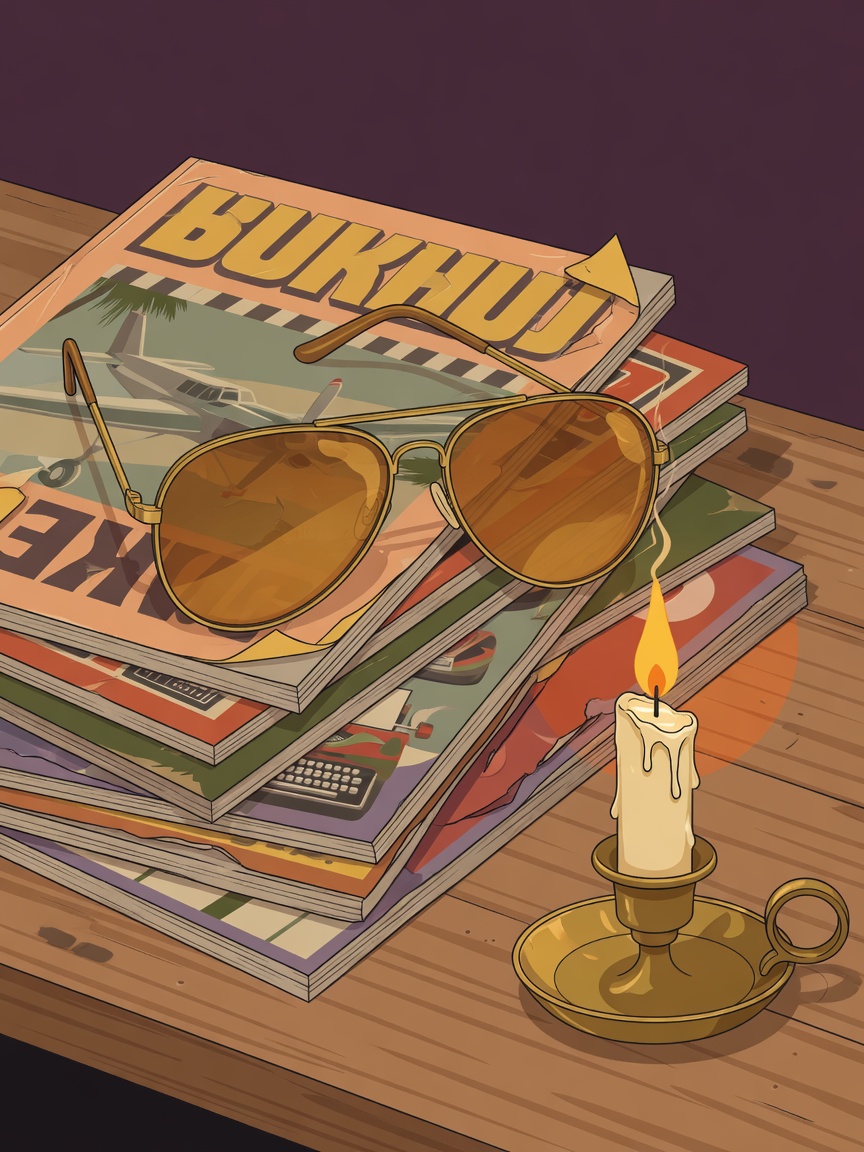
With her trademark streaked hair parted down the middle and large aviator glasses, Steinem was a hugely recognizable presence. Much of her life as an advocate was spent on the road, speaking at college campuses and community centers, at rallies and marches. Well into her 80s she was traveling the globe and speaking out on issues from genital mutilation to Korean reconciliation, though equality for women always took precedence.
She also spoke out in favor of legalizing same-sex marriage and equal rights and pay for women, and she protested against the death penalty. More than 50 years ago, she helped establish the Women’s Action Alliance, a group dedicated to combating sexism. In 2013, then-President Barack Obama awarded her the Presidential Medal of Freedom, the highest civilian honor in the United States.
A life on screen and in community
Steinem’s story made its way to screens large and small. In 2011, HBO premiered the documentary Gloria: In Her Own Words, directed by Peter Kunhardt and produced by Sheila Nevins, which used photos and archival footage alongside Steinem’s own recollections. Her 2015 memoir, My Life on the Road, formed the basis for The Glorias, a biopic directed by Julie Taymor in which four actors, Julianne Moore, Alicia Vikander, Lulu Wilson, and Ryan Kiera Armstrong, each played Steinem at a different stage of her life. She also appeared as herself on programs including The Dick Cavett Show, 60 Minutes, The Daily Show, and Charlie Rose, and in the film The First Wives Club.
Famously eschewing marriage for most of her life, Steinem married David Bale, a South African-born entrepreneur, environmentalist, and father of actor Christian Bale, in 2000. He died three years later from brain lymphoma.
In her later years, Steinem hosted what her foundation called Talking Circles, welcoming hundreds of guests into her home over the years. You can’t do it on the phone or on the web, she told the Associated Press in 2015. You have to be there with all five senses. It should be obvious that people can’t empathise with each other unless we’re in the same room. The foundation said the gatherings will continue in her memory.
Her foundation said Gloria’s greatest gift was her ability to listen to others, to make others feel seen and heard, and that her words, actions, and example gave people permission to be their truest selves. She had a forthcoming book, An Unexpected Life, in which she wrote that she had lived for more than 50 years in her brownstone, in rooms that have witnessed lives before hers, and will know others after she is gone. Tributes flowed on Thursday after the news of her death, with writers and feminists commenting on Instagram with gratitude, some saying she had changed their lives.
Sources & methods
- BBC News obituary reporting Steinem's death, her early life, journalism career, activism, and personal details including her marriage to David Bale and Presidential Medal of Freedom. Archived Sep 3, 2026
- Al Jazeera obituary covering Steinem's career trajectory from journalism to activism, her Playboy exposé, the speak-out that changed her path, her fear of public speaking, and her continued advocacy into her 80s. Archived Sep 3, 2026
- Variety obituary detailing Steinem's media appearances, the HBO documentary Gloria: In Her Own Words, the biopic The Glorias, her Talking Circles tradition, and quotes from her forthcoming book An Unexpected Life. Archived Sep 3, 2026
This article was assembled from three published obituaries reporting Steinem’s death on Wednesday at her home in New York City. Direct quotes were drawn verbatim from statements attributed to her foundation, the Associated Press, and her forthcoming book as cited in those sources.