Democrats take both chambers of Congress in historic midterm repudiation of Trump and the Iran war
The president conceded and blamed the war on Iran, while his branded stocks and crypto tokens plunged to record lows.
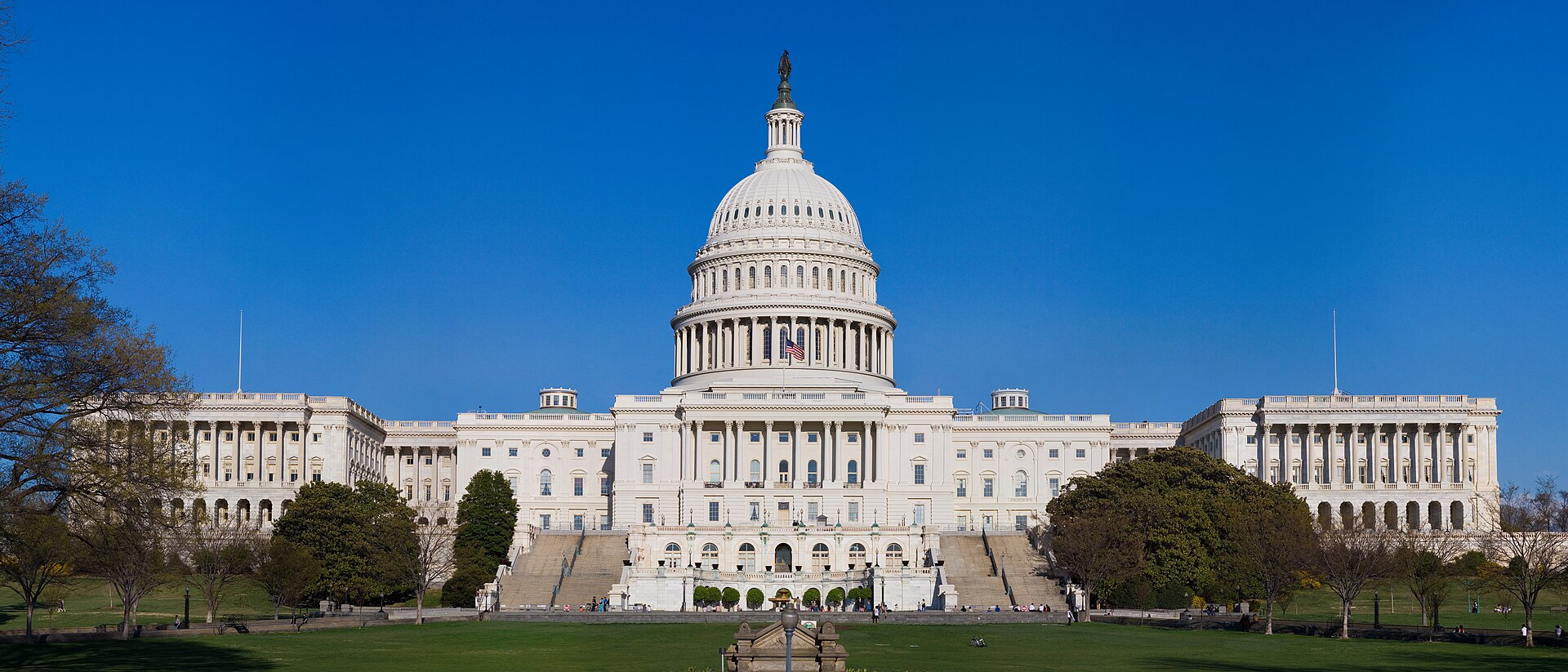
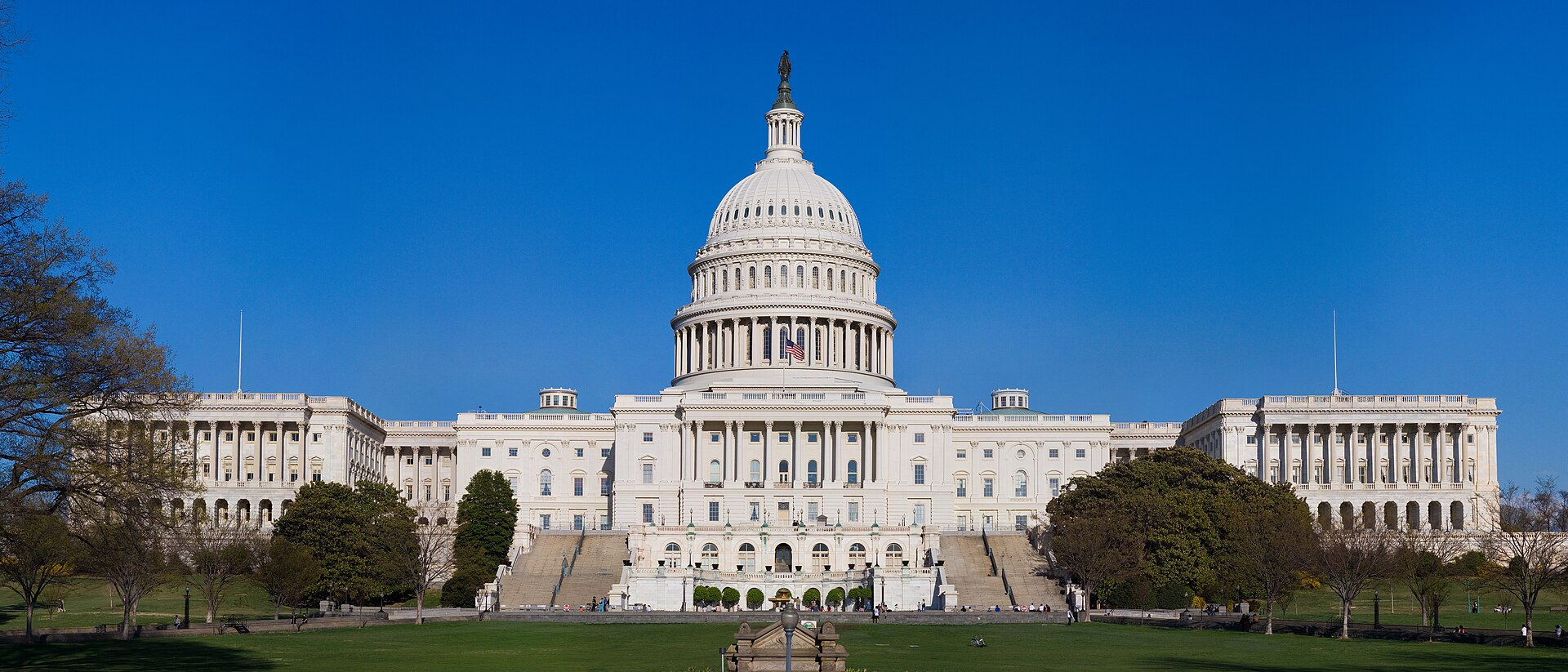
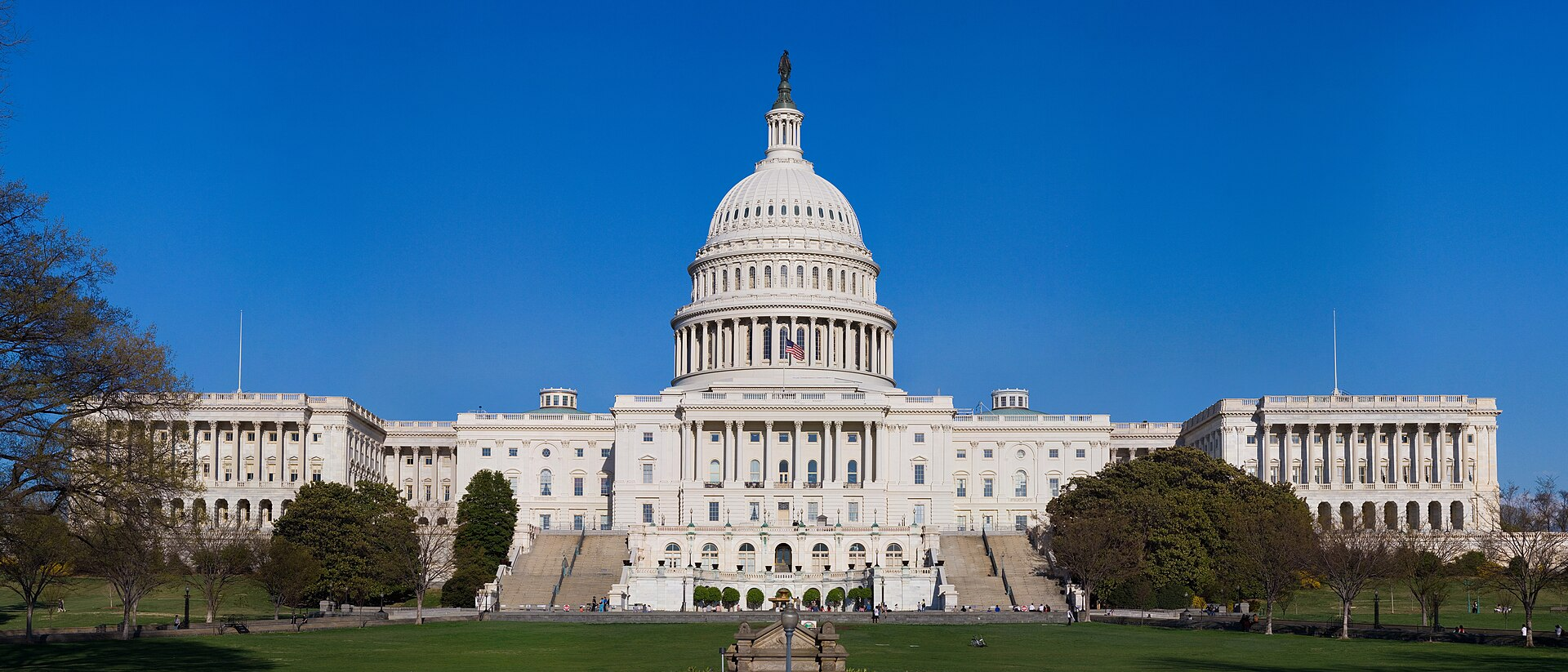
Democrats won control of both the House and the Senate in the 2026 midterms, a historic repudiation of Donald Trump’s presidency and the Iran war.
Trump acknowledged the results and said he accepts them, attributing the Republican defeat partly to the war on Iran. The accounts of his response diverged in emphasis. One framed the president as accepting the outcome and conceding that the Iran war was partly to blame. Another described him as remaining cagey about what financial items he would work on with Democrats. In a phone interview with CNBC, Trump said there are “many things, many more things than people understand” that he will consider working on with the new majority.
Jeffries poised to make history as speaker
Democrats secured 237 seats in the House, overcoming a mid-decade GOP redistricting push and flipping several districts to rout Republicans in the lower chamber. Hakeem Jeffries, the current minority leader, officially announced his candidacy for House speaker. Jeffries would become the first Black speaker of the House of Representatives in US history if elected by the new Congress in January. “Against all odds, House Democrats were consistently successful in the minority. We must now deliver the dramatic change the American people are demanding in the majority,” he said in a statement outlining the caucus’s plans for the new year.
Texas delivered some of the night’s most sweeping gains in a Republican stronghold. The Associated Press called the results amid a series of gains nationwide that shifted the balance of power across several battleground and Republican-leaning states. The state elected Democrat James Talarico to the US Senate, breaking a 38-year drought for Democrats and delivering a blow to Donald Trump. Gina Hinojosa was elected as Texas’s first Latina governor in a stunning upset, defeating incumbent Greg Abbott, a titan of Texas politics who was running for a record fourth term. Democrats also won full control of the Texas state house for the first time since Republicans took over after the 2002 election. Republicans are keeping the state senate.
Senate races still uncalled in Mississippi and Alaska
Several closely contested races remained too close to call. In Mississippi, 96% of the vote has been counted in the US Senate race between Democrat Scott Colom and Republican incumbent Cindy Hyde-Smith, with Colom leading by just 65 votes. Democrats have not won a Senate seat in Mississippi since 1982, and Trump carried the state by 22 points in 2024. In Alaska, 74% of the vote has been counted in the Senate race, with Democrat Peltola leading GOP incumbent Dan Sullivan by less than a point. Alaska uses ranked choice voting, in which the candidate with the fewest first-preference votes is eliminated and their supporters’ votes are reassigned to their second choice, a process that continues until one candidate wins a majority. The final result could take longer than any other race. In Maine, Susan Collins, a near three-decade senator and a fixture of state and national politics, was defeated. In the Los Angeles mayoral race, 63% of the vote has been counted, with progressive challenger Nithya Raman, a city council member, holding a narrow lead over Democratic incumbent Karen Bass.
Trump-branded assets hit record lows
Trump Media and Technology Group stock, which trades on the Nasdaq exchange, was priced at just over $5, its lowest mark ever, down from an all-time high of $101. The stock lost 11% overnight. It dropped from $5.90 once election returns started coming in. Trump owns 114 million shares and over 40% of the stock through a trust. Forbes estimated in September that Trump is $2.7bn wealthier than when he won the White House in 2024. World Liberty Financial digital tokens, known as WLFI, are trading at less than 5 cents after the election, down from a peak of 31 cents in 2025. The tokens began sliding in late October as the election drew near and as a hack of Binance rattled crypto markets, then experienced a steep decline around 7pm ET on Tuesday as polls closed in some states. Trump made more than $500m in profit selling crypto assets last year and still owns 15 billion WLFI tokens. World Liberty Financial was created by the Trump family and the family of Steven Witkoff, whom Trump appointed to negotiate diplomatic arrangements about Gaza, Iran, and Ukraine. Trump$ novelty coins are priced at about $1.40, having lost about 10% of their value overnight as election results came in. The coins launched shortly before Trump’s inauguration and briefly traded as high as $45 in January 2025. They made the president $636m in sales in 2025.
“People think they’re investing in Trump. They really aren’t. They’re really betting on his popularity. That’s what they’re betting on,” said Jim Angel, an associate professor at Georgetown University’s McDonough School of Business. “Right now his popularity is at record lows, and so we see the price of DJT and World Liberty at record lows.”
Sources & methods
- Al Jazeera live blog, November 4, 2026 Archived Nov 4, 2026
- The Guardian live blog, November 4, 2026 Archived Nov 4, 2026
This article draws on two live election blogs published on November 4, 2026, cross-referencing called races, uncalled contests, financial data, and on-record statements from political figures and analysts.