Supreme Court largely upholds Quebec’s Bill 21 ban on religious symbols for public servants
The ruling strikes down only the face-covering ban for elected officials and affirms courts’ power to declare Charter violations even when the override clause shields the law.
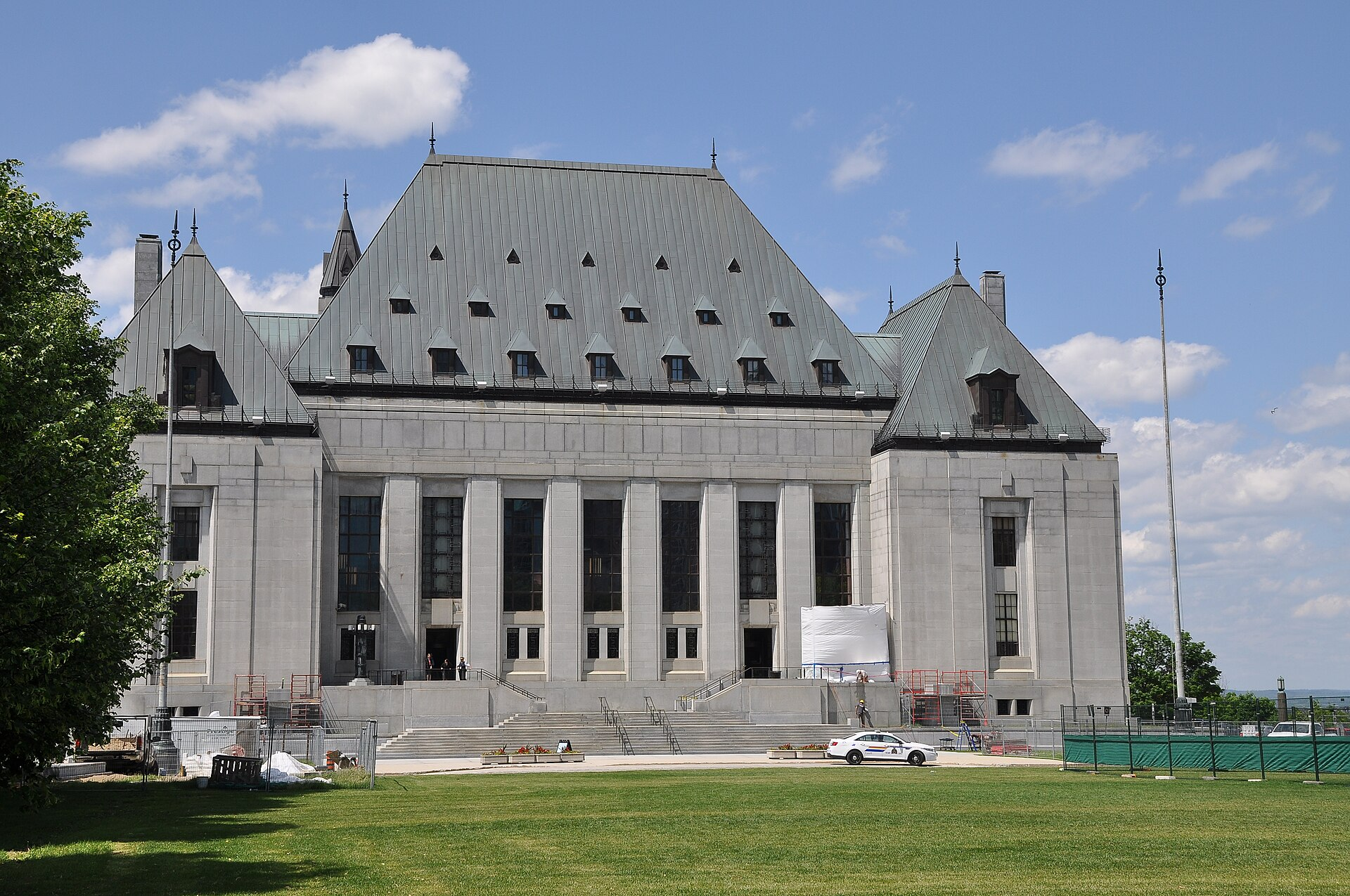
Canada’s Supreme Court largely upheld Quebec’s Bill 21 on Friday, leaving the province’s ban on religious symbols for public servants in force with one narrow exception for elected members of the National Assembly. The decision is one of the most closely watched in Canadian history, with an impact that will be felt both in Quebec and across the country.
The law remains in force. The ruling settles a years-long legal battle over a statute that has forced some public workers to choose between their careers and how they practice their faith. The Supreme Court was asked to weigh in on the constitutionality of Bill 21, whether Quebec’s use of the override clause was appropriate, and whether there are limits to its use. The court ruled that the ban on elected officials wearing face coverings for religious reasons infringes democratic rights, striking down that provision alone. Four of seven justices agreed that judges can formally declare a law violates Charter rights even when the override clause keeps it in effect.
Majority finds Quebec’s secularism aim legitimate
Chief Justice Richard Wagner wrote for three justices that Bill 21 was rooted in Quebec’s “legitimate and historical commitment” to keeping the state secular. Quebec has argued the law is necessary to uphold state secularism, or laïcité, as a core component of its identity. Wagner concluded that the Quebec government had “validly used” its power to keep the law in force.
Justices Andromache Karakatsanis and Michelle O’Bonsawin dissented in part. Justice Nicholas Kasirer joined the partial dissent, according to one source. The dissenting justices wrote that the override clause “cannot be used to authorize laws that are incompatible with the fundamental character of Canada as a free and democratic country.” They said the law infringes the Charter’s guarantees of freedom of religion, expression, and equality. Karakatsanis and O’Bonsawin described how Muslim women had been turned away from jobs because they wear the hijab, and how the law had prevented people from taking promotions or transfers because they would lose their exemptions. The law “non-trivially influences life choices and mobility,” they wrote. The dissenting justices argued the law’s effects are not felt evenly, and that they weigh most heavily on Muslim women. Civil liberty groups in Quebec have made similar arguments, saying the law has excluded Muslim women from key areas of public life in the province.
What Bill 21 covers
Bill 21 passed in June 2019, enacted using the override clause, which allows governments to override certain Charter rights. Quebec said the law would protect the religious neutrality of public institutions. It faced legal challenges from Muslim, Sikh, and Catholic teachers who argued it violated their fundamental rights. The law bans teachers, police officers, and some other public employees from wearing religious symbols including hijabs, turbans, kippahs, and the cross. Quebec has since widened the restrictions to support staff, volunteers at schools, and daycare workers. Teachers already in their posts on March 27, 2019, were grandfathered and could continue wearing religious symbols as long as they stayed in the same role with the same employer.
The law has reshaped lives. It has led to people losing their jobs and leaving Quebec to avoid the restrictions. Some Muslim women have decided to take off their hijabs while at work in order to be able to keep their jobs.
The override clause and the court’s declaratory power
The court also weighed in on a question that goes beyond Quebec: how far governments can go in using the override clause. The clause is part of Canada’s Charter of Rights and Freedoms. It lets federal and provincial governments keep a law in force even if it violates certain Charter rights, including freedom of religion and the right to equality, shielding it from court challenges. The override lasts up to five years. It can be renewed. Quebec renewed the override in 2024. The Supreme Court said politicians can use the clause without waiting for a court to rule on whether a law violates Charter rights. The court also affirmed that judges can formally declare a law violates Charter rights even if the clause keeps the law in effect, though the majority declined to issue such a declaration in this case.
How the case reached the Supreme Court
Quebec invoked the override clause when it passed Bill 21, before any court had ruled on the law. A Quebec Superior Court judge upheld most of the law in 2021 but found it infringed minority-language education rights of English-language school boards. Quebec’s Court of Appeal reversed that exemption in 2024 and left most of the law in place. Seven Supreme Court justices heard the case over four days in March.
Sources & methods
- BBC News, reporting on the Supreme Court of Canada's ruling on Quebec's Bill 21 Archived Nov 27, 2026
- Al Jazeera, reporting on the Supreme Court of Canada's ruling on Quebec's Bill 21 Archived Nov 27, 2026
This article draws on two news reports covering the Supreme Court of Canada’s ruling on Quebec’s Bill 21. Where the sources diverge on details, such as whether Justice Kasirer joined the partial dissent, the article attributes the claim to the source that reports it.