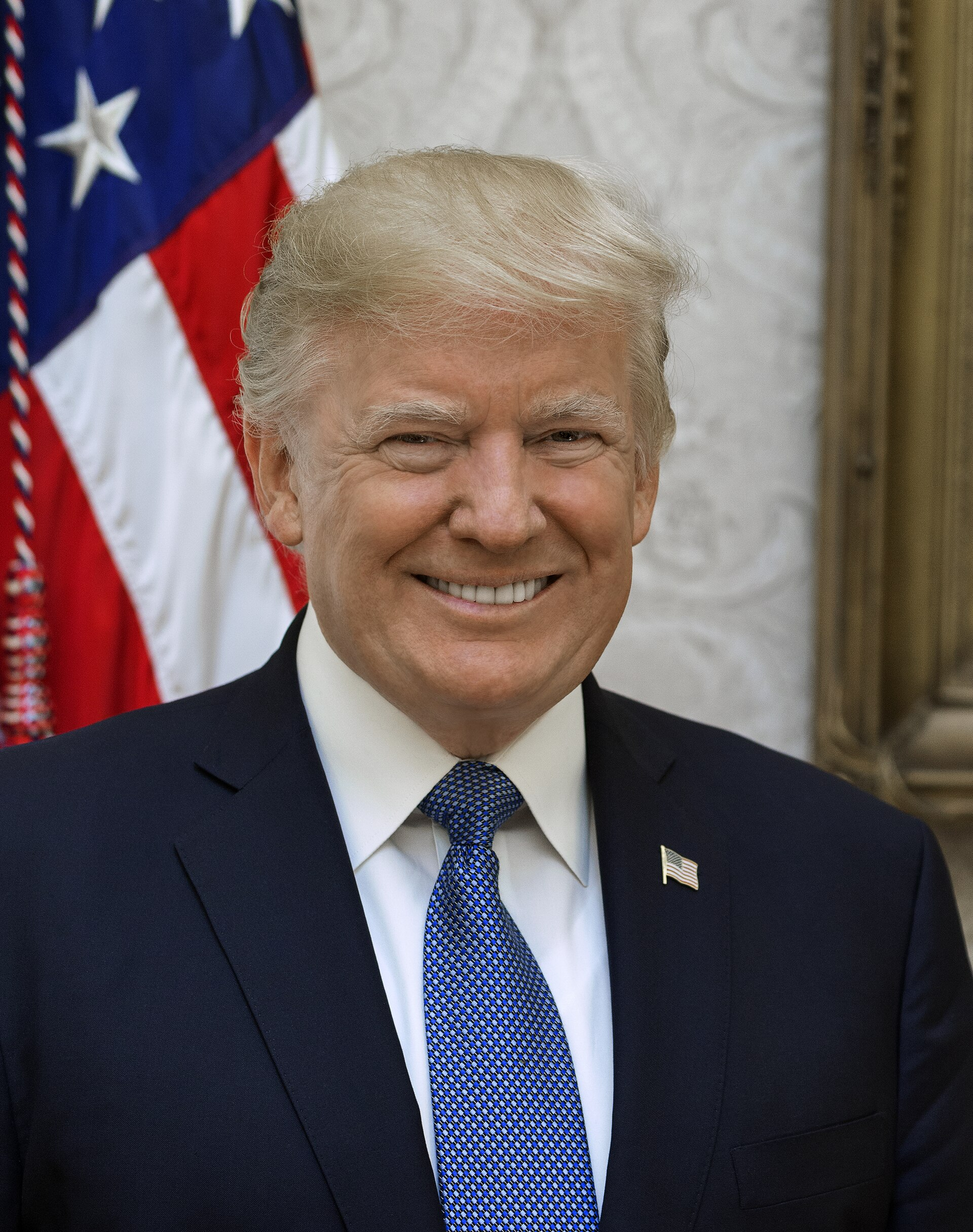
US unveils new tariff regime targeting major trading partners after court rejected emergency-powers approach
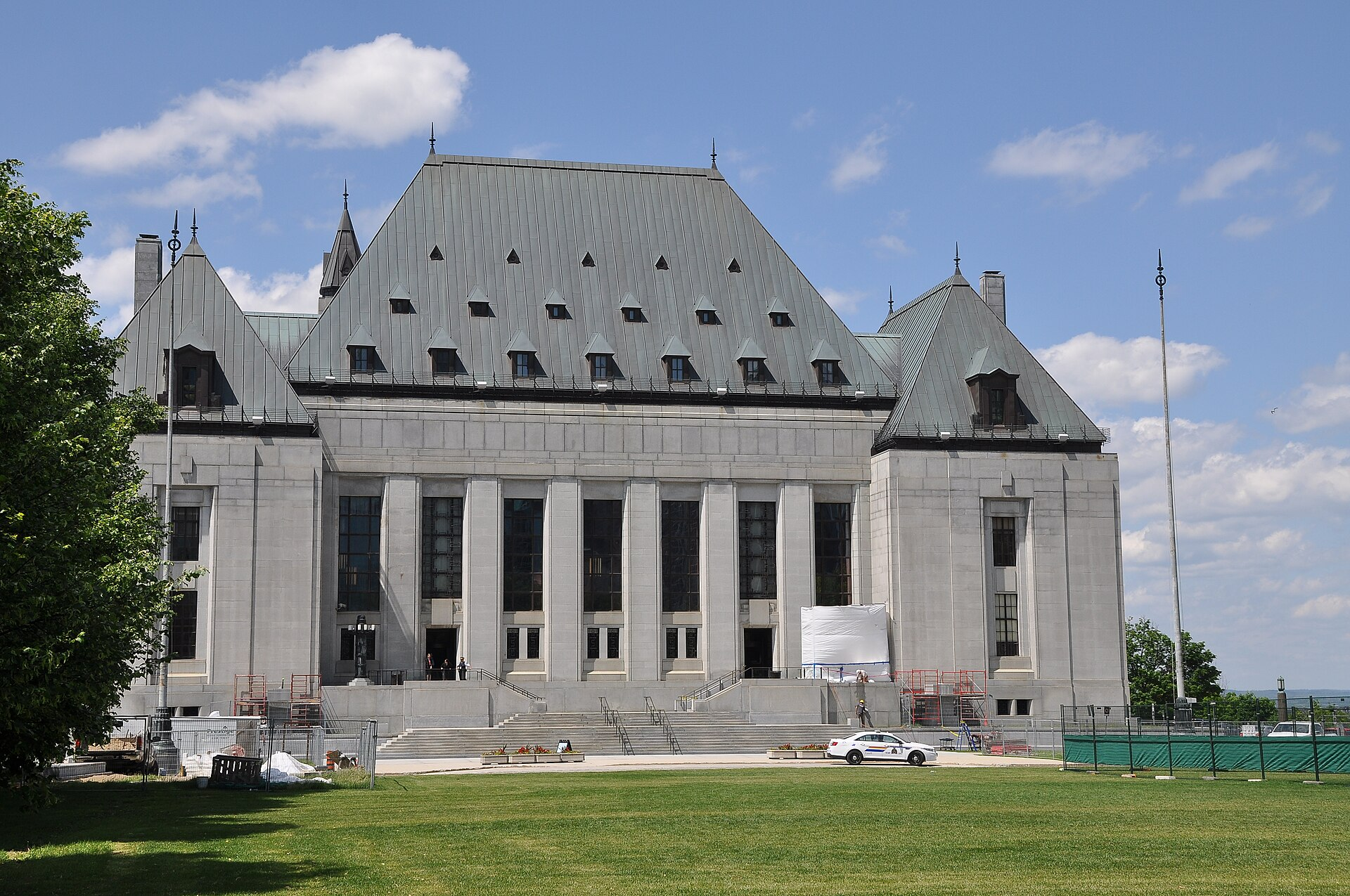
The USTR’s proposed duties mark Washington’s second attempt to reshape trade relationships after the Supreme Court invalidated Trump’s April 2025 Liberation Day tariffs.
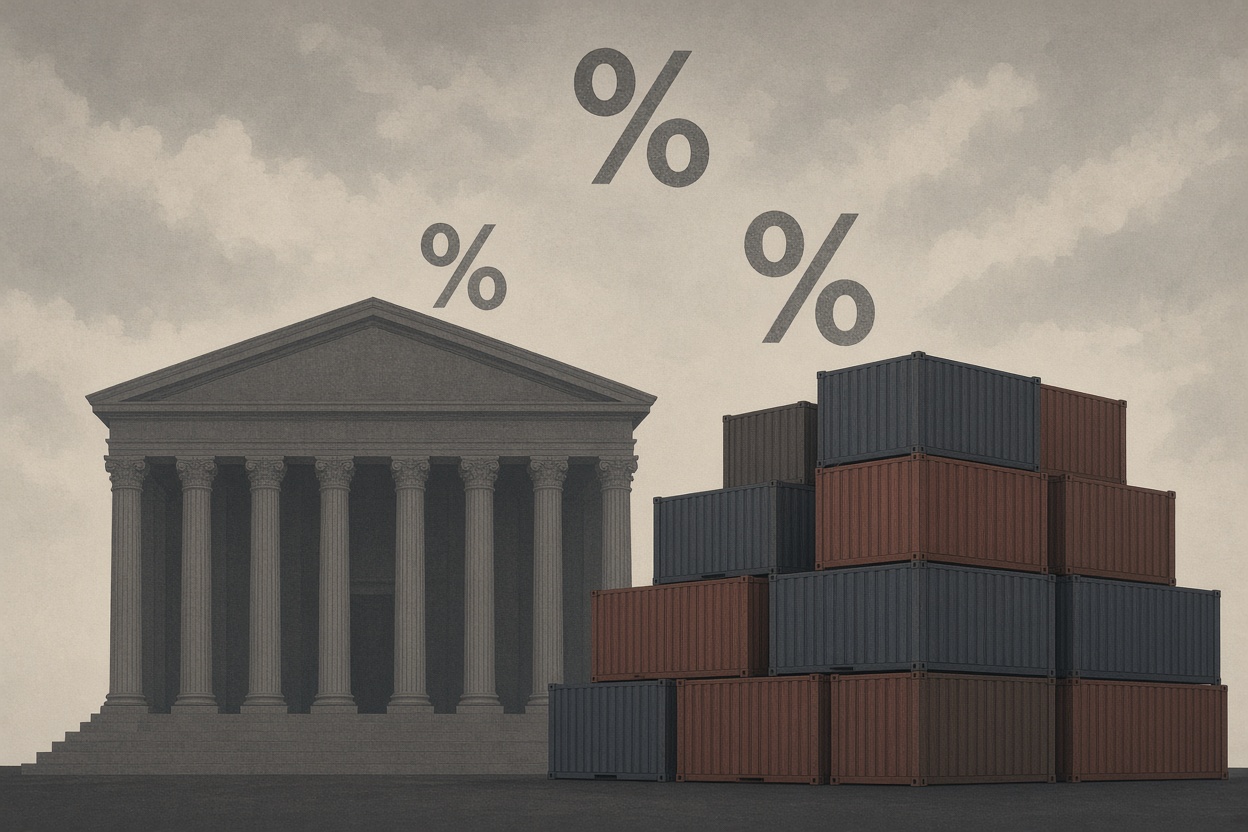
The United States has announced new tariffs on China, the European Union, and 12 other jurisdictions, with China facing the highest proposed rate of up to 40%.
Vietnam faces duties of up to 35%. The remaining jurisdictions confront rates of either 20% or 25%. Brazil separately faces a 10% tariff under a distinct investigation into what Washington calls harmful trade practices. The new duties will not take effect until next year, pending public consultation and potentially hearings. Trump is seeking to cut the US trade deficit, arguing the tariffs will boost American manufacturing and create jobs. USTR Jamieson Greer said the latest measures would “level the playing field for American workers and chart a new, more sustainable course for the world economy.” The proposed levies would affect goods from China, the European Union, Singapore, Switzerland, Indonesia, Malaysia, Cambodia, Thailand, South Korea, Vietnam, Taiwan, Bangladesh, Japan, and India.
The new levies are built on a stronger legal foundation than Trump’s April 2025 Liberation Day tariffs, according to Singapore Management University economics lecturer Chang Pao-Li, because they rely on USTR authority under Section 301 rather than emergency presidential powers. The Supreme Court ruled the Liberation Day tariffs illegal. The White House began investigating foreign trade practices in March. Alongside the proposed duties, the USTR released extensive reports detailing how each jurisdiction’s trade practices purportedly impact American commerce. Many tariffs imposed under Section 301 during Trump’s first term remained in effect through the Biden administration, establishing a historical precedent, though the new levies are still likely to face legal challenges.
Allies and partners push back
The European Commission rejected the new tariffs, saying it would investigate the reasons for bringing them in, and pointed out that duties are limited to the 15% previously agreed. Japan called the tariffs regrettable. Singapore said it disagrees with the White House’s findings and is engaging the USTR to explore ways to reduce the tariff. South Korea’s trade minister described the proposed 15% rate as “more than a decent outcome,” saying it falls in line with a previously agreed limit with Washington. Vietnamese Deputy Prime Minister Bui Thanh Son said the latest tariff rate is not consistent with the reality of bilateral cooperation. Wendy Cutler, a former senior US trade negotiator at the Asia Society Policy Institute, said trading partners had been “waiting for this shoe to drop” and argued they are being wrongly accused of producing too much. “Many believe that China, not them, should be the target for US action,” she added. Last year, Seoul pledged $350bn in US investments in exchange for lower tariffs as part of a trade deal.
Brazil faces a 10% tariff on finished aircraft and sugar sold to the US. Brazilian authorities expressed outrage. They said the move is aimed at pressuring the government to change regulations around issues like digital trade. President Luiz Inacio Lula da Silva’s office said Brazil will not yield to such threats.
China truce on a timer
The United States and China remain locked in both a trade dispute and the AI race. The tariffs war is on hold. Despite a meeting last week between Trump and President Xi Jinping, the two sides made no announcement on the truce, which is set to expire on 10 January. Chinese Foreign Ministry spokesperson Guo Jiakun described the tariffs as a form of political manipulation and rejected as false the US claim that China produces more than it can consume. Cutler said Beijing seems prepared to live with the new rates provided they don’t exceed 20%.
India walks a tightrope
According to reporting from a single source, the USTR proposed a tariff of 17% on Indian exports if New Delhi reaches an Agreement on Reciprocal Trade with Washington. Without a deal, India could face tariffs of up to 25% under Section 301 investigations encompassing excess production capacity that harms US interests. The India-US trade deal has been pending, with both sides indicating little room to grant concessions. India’s trade surplus with the US rose to $57.3 billion in 2025 from $45.2 billion in 2024. Ronak Desai of the Hoover Institution at Stanford University said the announcement “increases the urgency of reaching an agreement,” while noting that the Modi government will be particularly sensitive to any perception that India is conceding under American pressure. Modi and Trump are likely to meet at the G20 leaders’ meeting in Florida in December, where experts believe they could seal the trade deal. India’s commerce ministry said it does not have structural excess capacity in any sector, denying the USTR investigation findings, but added that it remains committed to working towards the early conclusion of the India-US Bilateral Trade Agreement.
Economists have warned that tariffs can fuel inflation, push prices up for consumers, and dampen global trade. Stephen Brown of Capital Economics called the announcement “not as alarming as it looks,” saying the additional burden is likely small because a limited number of goods are subject to the new duties. Some rates will be effectively reduced because of caps Trump has agreed to.
Sources & methods
- BBC News reporting on the US tariff announcement, including rates, legal basis, and reactions from affected jurisdictions Archived Nov 26, 2026
- CNBC reporting on India's position within the new tariff regime, citing USTR proposed rates and expert analysis Archived Nov 26, 2026
This article draws on two published reports, a BBC News article on the US tariff announcement and a CNBC article on India’s position, supplemented by the fact ledger’s record of quotes, figures, and timeline events. The India section rests on a single source and is attributed accordingly.