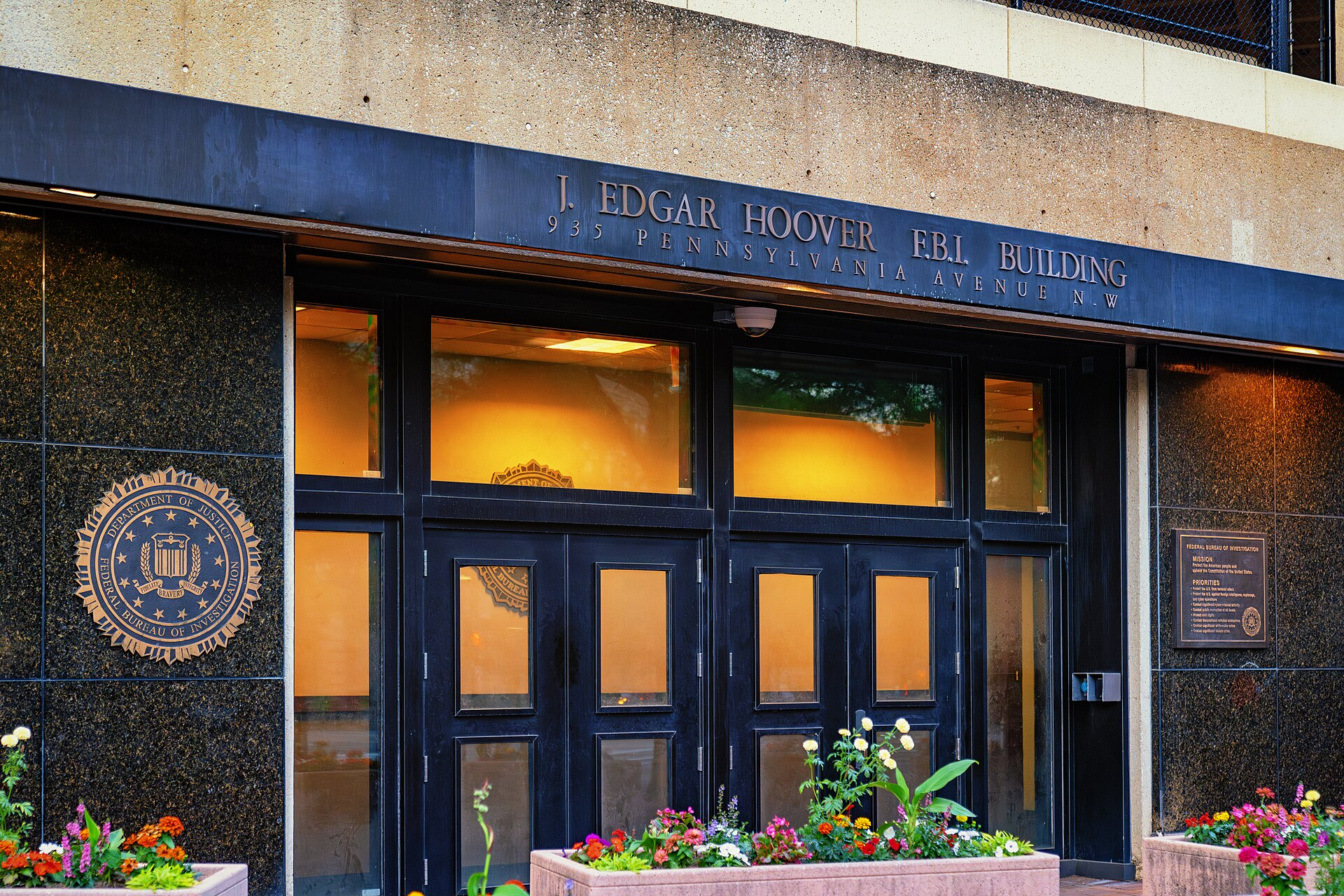
Trump DOJ asks Supreme Court to block California from counting disputed mail-in ballots on eve of midterms
The emergency filing is the Justice Department’s third attempt in a month to force California to set aside ballots from voters it claims are likely noncitizens, after two lower courts refused.
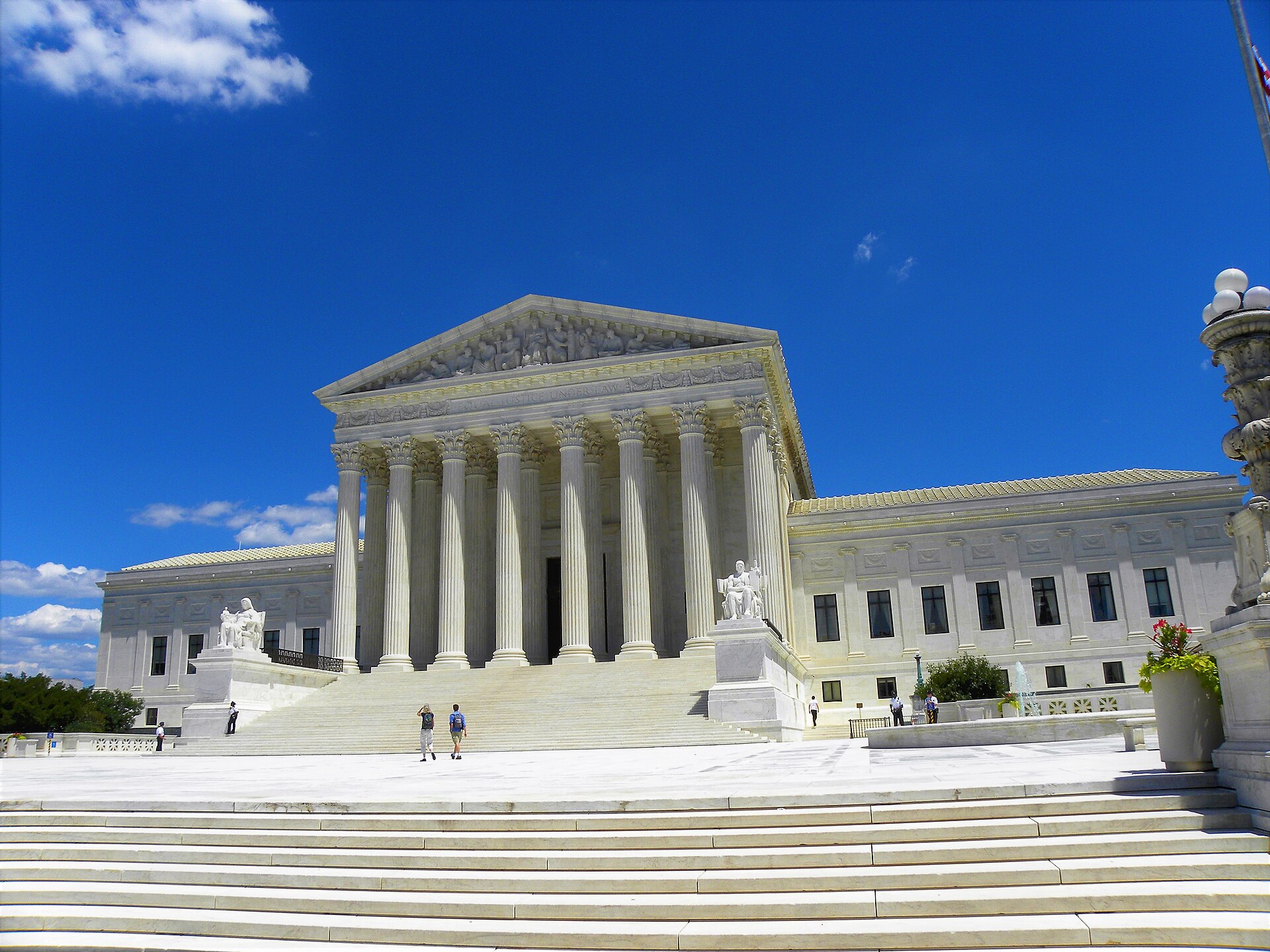
The Justice Department asked the Supreme Court on Monday to block California from counting mail-in ballots from approximately 20,000 voters it claims are likely not U.S. citizens. The filing came one day before the midterm elections.
The DOJ wants California to set aside ballots from voters on a list compiled by the Department of Homeland Security until their citizenship status can be verified. The department argues that once challenged ballots are commingled with others, there is no way to identify and remove them if voters are later found ineligible. Solicitor General D. John Sauer said in the application that the United States is likely to succeed on the merits of its appeal. Sauer argued that the United States suffers a judicially cognizable injury to its sovereignty from the violation of its laws.
Two courts have already said no
The DOJ sued California on Oct. 15 in U.S. District Court in Los Angeles, seeking to prevent state election officials from tabulating mail-in ballots from likely noncitizens until their citizenship could be confirmed. Judge David Carter, a Clinton appointee, rejected the request last week, calling it a broad, ongoing pattern of attempted election interference by federal officials. Carter wrote that if the executive can discount votes and threaten an ongoing election due to unproven allegations, then our democracy is in danger. The DOJ appealed to the 9th Circuit, which rejected the request 2-1 on Friday. The majority opinion was written by Judge Mark Bennett, a Trump appointee, and Judge Gabriel Sanchez, a Biden appointee, who wrote that there is a material risk that granting the requested relief would result in disenfranchisement and could jeopardize the county’s entire election. The majority cited the Purcell principle, which holds that election rules should not be altered on the eve of an election, and noted that the Constitution gives states authority to run elections. The majority also cited the National Voter Registration Act, which bars states from systematically removing ineligible voters within 90 days of a federal election. The panel’s third judge, Patrick Bumatay, also a Trump appointee, dissented. The district court had concluded that the United States lacks Article III standing to bring the suit.
California argues the federal government’s list is unreliable and could include thousands of U.S. citizens. Data scientists at UCLA’s Voting Rights Project, granted access to the DOJ’s list through a court order in another lawsuit, found that 42% of the names on the list do not appear on California’s current voter roll. The UCLA analysis also found naturalized citizens on the DOJ’s list. County election officials have found that many of the people on the list did not have active voter registrations and were not mailed ballots, meaning the actual number of disputed ballots is likely much smaller than the headline figure. Voting has been under way since early October, with ballots mailed to around 23 million registered voters.
A parallel track of pressure on election officials
The DOJ’s appeal to the Supreme Court comes as it has escalated its confrontation with California election officials in other ways. The department has sent subpoenas to election officials in California and reminded them they could be criminally prosecuted for allowing ineligible voters to cast ballots. The DOJ previously gave Los Angeles County officials a thumb drive containing names of voters the department suggested could be noncitizens. Separately, a federal judge in San Francisco issued a temporary restraining order late Friday barring the Trump administration from threatening, intimidating, or coercing election officials to demand they stop processing the ballots of registered voters the federal government alleges are ineligible. The federal government has appealed that order. In another separate proceeding, a federal judge on Sunday dismissed a DOJ lawsuit seeking to block Alaska election officials from immediately certifying the result of the U.S. Senate election if incumbent Republican Sen. Dan Sullivan loses by a margin attributable to voter confusion about another candidate with his name. The DOJ is appealing that dismissal.
President Donald Trump has repeatedly made false claims about widespread voter fraud, but studies and state audits have shown that ineligible voting, including by noncitizens, is rare. The Supreme Court rejected an earlier effort to restrict mail-in voting in September. The case will be handled by Justice Elena Kagan, who has not set a deadline for California to respond. It is not clear when the Supreme Court will rule, and there is no deadline set. The midterms will determine which parties hold majorities in both chambers of Congress.
Sources & methods
- Al Jazeera, Nov. 2, 2026 Archived Nov 2, 2026
- NPR, Nov. 2, 2026 Archived Nov 2, 2026
- CNBC, Nov. 2, 2026 Archived Nov 2, 2026
Reporting based on three published news accounts of the DOJ’s Supreme Court filing and prior lower-court rulings, corroborated against the DOJ application, court opinions, and statements cited therein.