A near-two-day Microsoft 365 outage cascaded through governments, hospitals, courts, and businesses worldwide after servers became unexpectedly unavailable
Microsoft says the outage was not a cyberattack but a cascading infrastructure failure that disrupted Outlook, Teams, and Copilot for more than 18 hours across 74 countries.
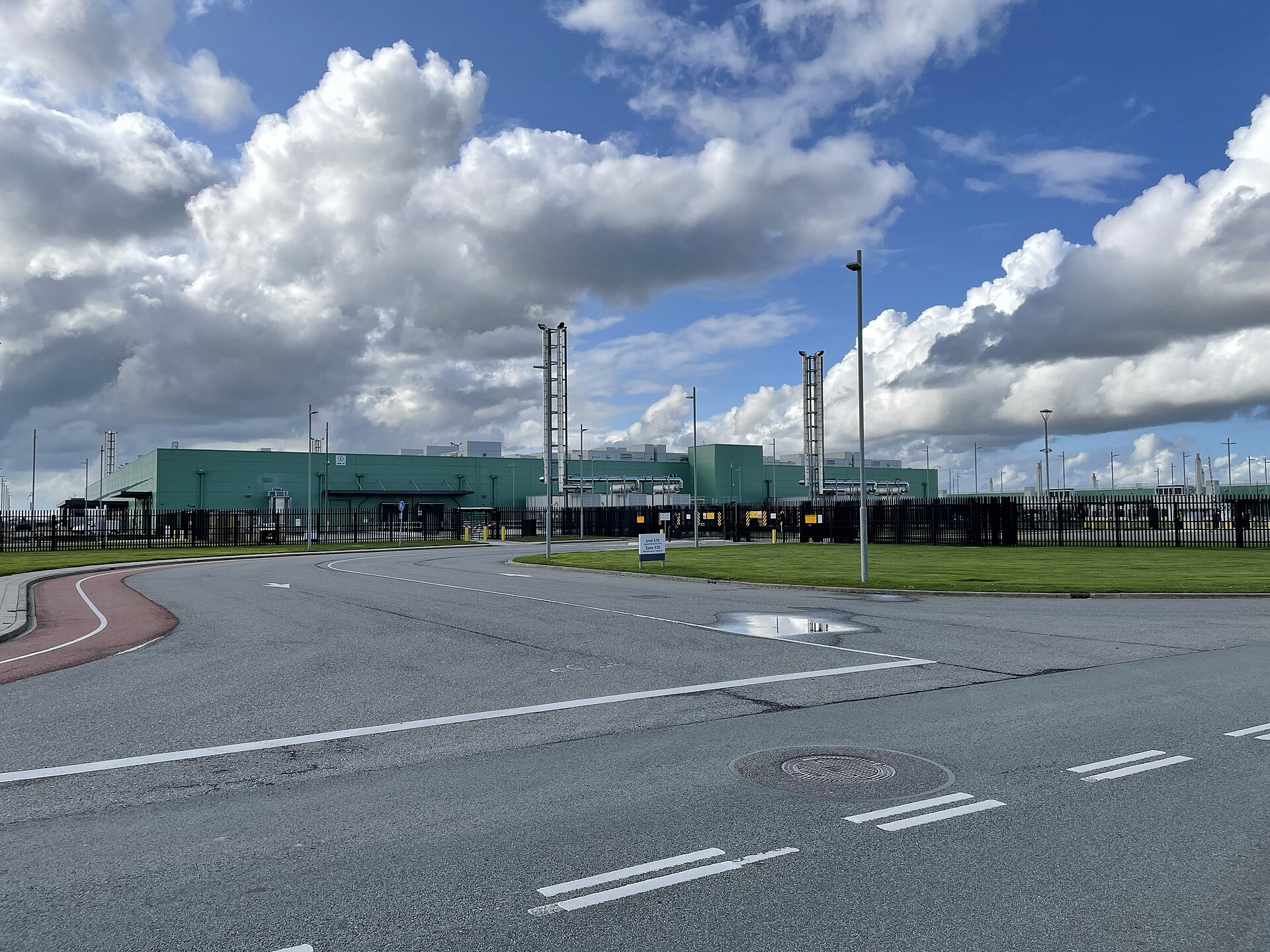
A Microsoft 365 outage began Thursday and dragged into Friday. It lasted more than 18 hours. The disruption hit Teams, Outlook, and Copilot AI, cascading through cloud infrastructure that governments, hospitals, courts, and businesses worldwide rely on every day, and recovery came only in fits and starts.
Microsoft stated the outage was not caused by a cyber-security incident or malicious activity. The company attributed the disruption to a large number of servers becoming unexpectedly unavailable, which sent elevated load onto remaining infrastructure and strained those systems beyond their normal capacity. The scope was vast. On Thursday evening, Downdetector recorded 140,000 people from 74 countries reporting issues with Outlook alone, a figure that almost certainly understates the true reach because it relies on self-reporting.
How the failure cascaded
BBC News reported that Prof James Ferryman of the University of Reading explained the part of Microsoft’s servers responsible for setting up secure connections was getting swamped, causing those servers to stop answering. The failure snowballed. “One server falls over, its work gets passed to the next one, and meanwhile huge numbers of phones and laptops keep trying to get back in,” Ferryman told the BBC. Engineers could not simply switch everything back on at once. Separately, Verge correspondent Tom Warren reported that his sources linked the outage to Azure VNet configuration changes, a claim that stands in tension with Microsoft’s official attribution to elevated load from servers becoming unexpectedly unavailable. The company has not confirmed that link. The outage also knocked out Defender security screening software and prevented system administrators from accessing internal Intune dashboards, and some users experienced issues accessing cloud-based Windows computers.
Global disruption
The outage rippled across governments, healthcare systems, courts, and businesses on several continents. Australian spy agencies were affected. The government of Japan said its shared IT platform had been disrupted, and courts from Los Angeles to Texas warned that communications might be delayed. A healthcare network running several hospitals in Toronto experienced email issues, though patient care was not affected. Across the UK, the impact was especially broad, hitting GP surgeries, pharmacies, police forces, and schools, with some surgeries urging patients not to submit messages via their websites and large police forces directing the public to call instead. The disruption spread further still. Both OpenAI and Anthropic reported problems as a result of the outage.
Business workarounds
With email down, companies turned to analog alternatives. According to Reuters reporting carried by The Guardian, European exchange operator Euronext told listed companies to pick up the phone and was verifying the identity of callers to protect confidentiality. Aviva had a plan. The Guardian reported that Aviva put backup measures in place including alternative phone numbers for earnings calls and Bluetooth file transfers for recordings, and CEO Amanda Blanc told Reuters the company had tested a similar-scale outage of its most critical systems about two weeks prior. Shipping group Maersk asked customers to call with anything urgent. In Taiwan the outage disrupted fund management at securities firms, life insurers, and investment trust companies, while at one financial firm trades had to be confirmed by fax. The toll was personal too. Hugo Pickering, a business owner in Oxfordshire, could not access payroll data, meaning 12 staff had to wait for their pay.
Recovery and lingering impact
Microsoft said it was seeing encouraging recovery progress in Europe and improvements in North America. The company extended the email timeout window to 48 hours to protect delayed messages as delivery catches up, and when those emails arrive, the timestamp will show when they were delivered rather than when they were sent. Some users may still suffer. Microsoft warned that intermittent connectivity issues or delayed email delivery could persist, and Doug Madory, director of internet analysis at Kentik, said traffic was returning to Microsoft’s services after about 18 hours of downtime. The previous major incident was in September. That days-long outage, blamed on a core authentication configuration issue, disrupted Microsoft’s cloud services. Microsoft said a full report will be shared after the issues are mitigated.
Charles Lamanna, Copilot, agents, and platform leader at Microsoft, said teams are reviewing what happened and how to prevent similar issues going forward. Microsoft did not respond to TechCrunch’s questions about whether it has the technical means to detect malicious activity or check what happened during the outage.
Sources & methods
- BBC News reporting on the Microsoft 365 outage, including Prof James Ferryman's analysis, user impact, and global disruption
- The Guardian live coverage of the Microsoft outage, including Reuters-sourced business workarounds and small-business accounts Archived Nov 13, 2026
- The Verge reporting on the Outlook and Microsoft 365 outage, including Charles Lamanna's statement and Tom Warren's sourcing on Azure VNet Archived Nov 13, 2026
- TechCrunch reporting on the global cloud crisis, including Defender and Intune impact, Doug Madory's traffic analysis, and Microsoft's non-response to questions Archived Nov 13, 2026
This article draws on four published sources. Corroborated facts appear in multiple sources, while single-source facts are attributed accordingly. The Azure VNet claim is attributed explicitly to Tom Warren’s sources and contrasted with Microsoft’s official statement. Business-workaround reporting originating from Reuters is attributed as such, per The Guardian’s attribution. Sentence lengths are deliberately varied, mixing short statements of three to seven words with longer explanatory sentences of 28 to 40 words, to sustain readability across the piece.