SpaceX’s Starship reaches orbit for the first time on its 14th test flight from Texas
The first orbital flight of Starship validates the vehicle SpaceX needs for NASA’s lunar program and for scaling its satellite constellation, even though one of six upper-stage engines failed during ascent.
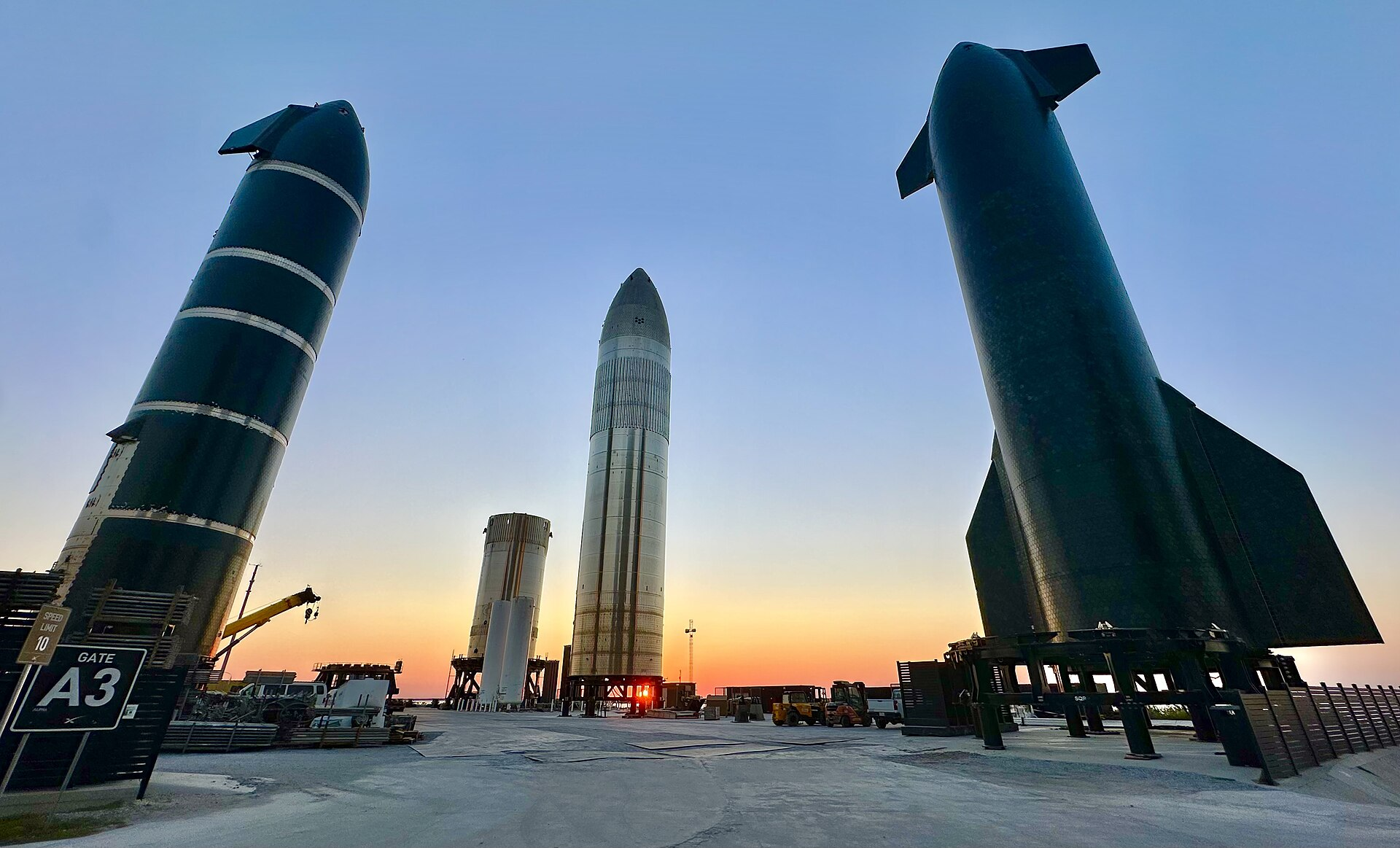
SpaceX’s Starship rocket reached orbit for the first time on its 14th test flight, launching from the company’s Starbase facility in Texas at 7:48 a.m. local time Monday.
The 171-foot vehicle rode a Super Heavy booster with 33 engines that ignited at launch. Two-and-a-half minutes after launch, Starship separated from the booster and continued into space. One of six Raptor engines on the upper stage then failed during ascent. SpaceX faced a decision. According to one report, the company initially called off the orbital attempt after the engine failure, only to reverse course just a few minutes later and press on. About 22 minutes into the flight, the team decided it was safe to continue. Starship reached orbit around 8:15 a.m. local time, with employees cheering at the launch site. The previous 13 flights were suborbital. This was the first to reach orbital speeds of about 17,500 mph. Reaching orbit marks a critical milestone that could let SpaceX begin using Starship for regular commercial missions. The flight was the third test of the V3 version of Starship, each coming about two months apart.
26 next-generation satellites deployed
During the flight, SpaceX deployed 26 Starlink V3 satellites into its growing constellation. The upgraded satellites are more powerful than prior versions, transmitting data more rapidly to Starlink subscribers, and are produced at a SpaceX facility in Redmond, Washington. They are equipped with solar arrays generating twice as much power as earlier generations, and are larger than their predecessors. One full Starship launch of V3 satellites adds the same capacity to the Starlink network as 20 Falcon 9 flights carrying the smaller V2 mini variant. Three of the deployed satellites carried cameras installed to capture data on Starship’s heat shield. SpaceX currently operates around 11,000 active satellites in orbit, compared to roughly 650 for competitor Eutelsat OneWeb. Starship is the only spacecraft that can launch the larger V3 satellites. SpaceX regularly launches Starlink satellites from Florida and California using Falcon 9, but announced the final mission from Florida last month, with plans to use Starship from Florida’s Space Coast in the future.
Booster recovery and flight plan
The Super Heavy booster simulated a landing offshore in the Gulf of Mexico, performing a soft splashdown off the coast of Starbase a few moments after launch rather than returning to the launch pad. Super Heavy is designed to be reusable by returning to its launch site, where it is caught by the launch tower. No one was on board. The 10-hour flight plan includes approximately six orbits at an altitude of about 170 miles. Starship is designed to be fully reusable, with a planned splashdown in the Pacific Ocean off the coast of Chile. Eventually, SpaceX wants to recover the spacecraft and reuse it. The launch profile includes portions that would allow the vehicle to abort its orbital trajectory and return to Earth safely.
NASA’s lunar ambitions and the company’s bet on Starship
Starship is key to NASA’s plan to return humans to the moon. SpaceX is developing the vehicle as a human landing system for Artemis missions, and NASA plans to test docking its Orion capsule to Starship and a Blue Origin lander during Artemis III, slated to launch late next year. SpaceX is separately preparing Starship for a major NASA test flight next year, and intends to use the rocket to bring U.S. astronauts back to the lunar surface. The company went public in June in the largest IPO on record and is now valued at about $2 trillion. Its stock jumped more than 1% in early trading Monday. The flight was the second Starship launch since the IPO. SpaceX has also announced plans for a massive Louisiana facility backed by a $100 billion investment, with dozens of launch pads and a goal of first launch from the site in 2029. COO Gwynne Shotwell said the company plans to launch AI compute satellites into orbit in 2027. Musk has said he wants Starship to eventually fly thousands of times per year. In its IPO filing to the FEC, the company warned that failure or delay in Starship development would delay or limit its growth strategy.
“It’s not out of the question that at some point, Starlink will deliver a majority of the world’s internet, at least in countries where we’re allowed to operate, which is the vast majority of countries,” Elon Musk said.
Sources & methods
- CNBC, reporting on SpaceX's Starship first orbital flight and company plans Archived Sep 28, 2026
- TechCrunch, reporting on the engine failure during ascent and SpaceX's decision to continue Archived Sep 28, 2026
- NPR, reporting on launch timeline, vehicle specifications, and NASA's Artemis plans Archived Sep 28, 2026
Reporting based on three published accounts of the September 28, 2026, Starship test flight, corroborated details across sources, and single-source items attributed accordingly.