Alberta voters reject separation from Canada in decisive referendum result
Roughly 76% of voters chose to remain, handing Prime Minister Mark Carney a unity victory while separatists vowed to press on.
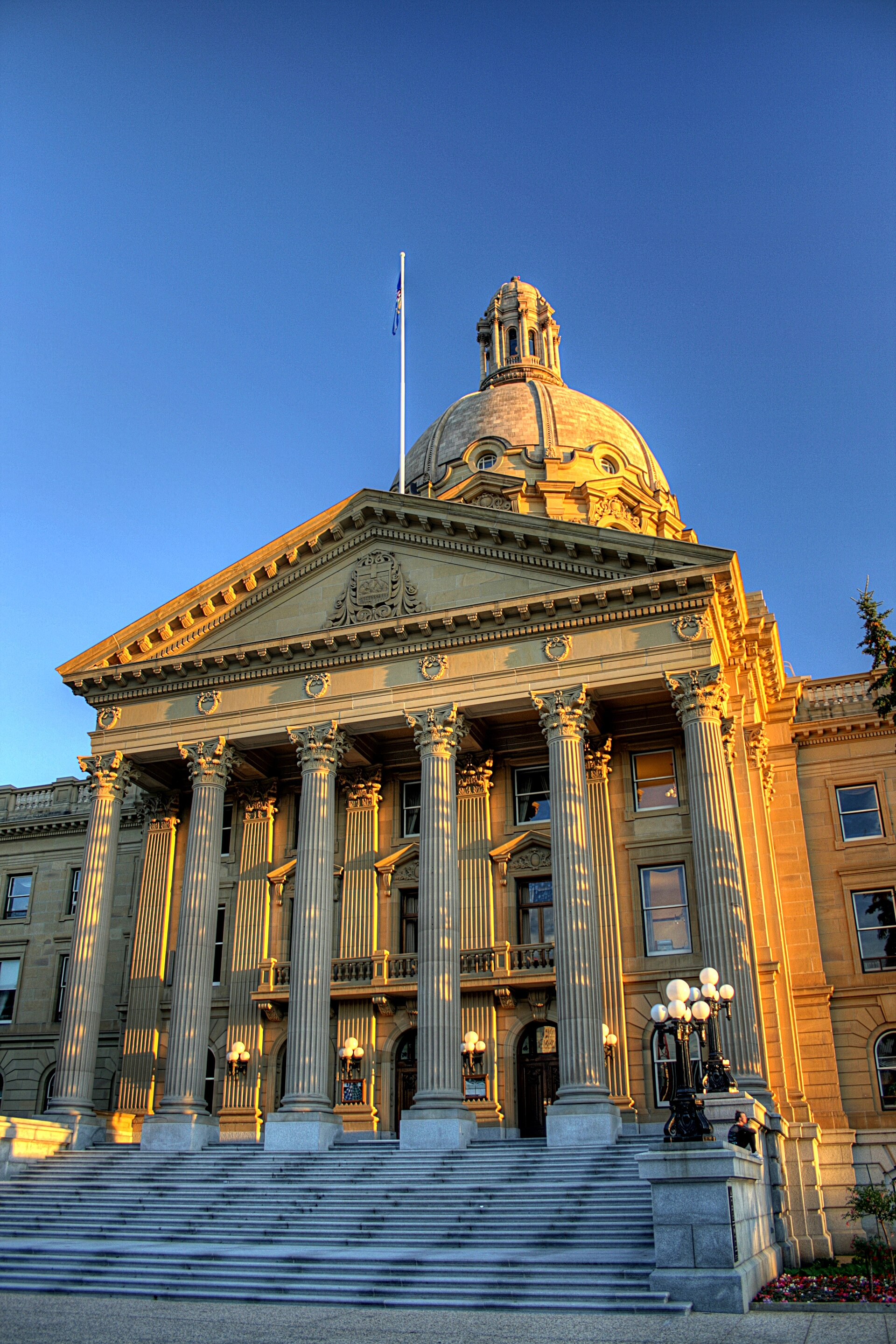
Alberta voters rejected a proposal to begin a process toward separation from Canada. The referendum was held on Monday. Roughly 76% supported remaining in Canada while 24% backed beginning a process toward separation, with nearly 1.9 million votes counted per Elections Alberta.
Prime Minister Mark Carney celebrated the result as a victory for Canadian unity, telling reporters as he entered a cabinet meeting on Tuesday that he was thrilled Albertans had chosen unity over a push for independence. “Albertans made a clear choice. They chose unity, to build together, and to take care of each other. Above all, Albertans chose Canada,” Carney said. Carney, who grew up in Edmonton, Alberta’s capital, said he had spoken with Smith on Tuesday morning about moving forward in the spirit of cooperative federalism, including on issues of immigration and other common priorities.
Smith welcomed the results. “Albertans have voted for a stronger Alberta in a united Canada,” Smith posted on social media. Smith herself opposed the separatist push but acknowledged that the public will for a vote was undeniable.
How the vote came about
The referendum was the result of a months-long campaign by separatists to secure a public vote. A grassroots group gathered about 300,000 signatures on a petition seeking a binding referendum on separation. The petition was blocked. A judge ruled it failed to consult First Nations, but Smith opted to go ahead with the ballot. Another group collected more than 400,000 signatures for a petition opposing separation.
Separatists vow to press on
Jeffrey Rath, a separatist leader and lawyer based in Calgary, struck a defiant tone, vowing that “our movement isn’t stopping and we’re continuing to move forward.” Rath said he saw Monday’s vote as a “first step” which had taught the movement “valuable lessons,” and when asked whether the movement would keep holding votes until it got the result it wanted, he responded “why not?” David Parker, described as a longtime far-right organiser, called the result “bleak” on social media.
Smith caught between camps
Many supporters of Smith’s United Conservative Party were in the separatist camp, a tension she has navigated even as she opposed the push for independence.
A province with grievances
Alberta is an oil-rich western Canadian province. Separatists argued Alberta’s economic growth had been stifled by the environmental policies of Canada’s central government in Ottawa. “Most Albertans feel deep grievances with the federal government while also being proudly Canadian. The marriage may be rocky at times, and most Albertans want to see some thing changed, but very few are willing to see the marriage end,” said pollster David Coletto.
The ballot included 10 questions total, with the separation question being one. The other nine covered issues including immigration, healthcare, education, and the province’s constitutional powers. Delays at roughly 100 of 1,400 polling stations pushed results back by more than two hours, and Elections Alberta said the remaining results could take days to count.
Pierre Poilievre, leader of Canada’s Conservative Party and a member of parliament from Alberta, responded on social media affirming the promise of Canada. He told a crowd of supporters that Albertans were not “quitters.” Premier Scott Moe of Saskatchewan said he was glad Albertans chose unity but said work remains on improving how Western Canada is treated by Ottawa.
Sources & methods
- BBC News coverage of the Alberta referendum results, including reporting from a pro-separatist watch party in Edmonton and interviews with separatist leaders. Archived Oct 20, 2026
- The Guardian coverage of the Alberta referendum, including unofficial vote tallies from Elections Alberta and interviews with pollster David Coletto and separatist movement leaders. Archived Oct 20, 2026
Two published accounts were cross-referenced. Where the sources differed on specifics, the more precise figure was used and the less precise reading was set aside. Quotes were checked against the source texts. Direct quotes were verified word for word before inclusion in the article.