American missionary Kevin Rideout is freed after nine months in captivity in Niger
SIM International said Rideout is in good health and in the care of US officials. Details of how he was released and who held him remain unclear.
An American missionary kidnapped in Niger’s capital last October has been released after more than nine months in captivity, the international Christian organization he worked for announced on Friday.
Kevin Rideout is in good health in the care of US officials, SIM International said in a statement. The New York Times, which first reported the release, cited unnamed US officials saying Rideout was now in FBI custody. The US State Department has not yet confirmed his release.
Details of how and where Rideout was released were not given. Who held him also remained unclear. No armed group claimed responsibility for the abduction at any point during his captivity.
Rideout was kidnapped on 21 October outside his home in Niamey by three armed men who took him to the western Tillaberi region, according to Reuters, which cited diplomatic sources. The area is known as a hotbed of militant activity. A security official at the time said Rideout was probably driven out of town.
There had been concerns that Rideout was taken by militants belonging to groups like Jama’at Nusrat al-Islam wal-Muslimin, an al-Qaeda affiliate linked to several attacks in the region. Islamist militant groups operating from neighbouring Nigeria, Mali and Burkina Faso have plagued Niger for years, targeting both civilians and the military. The New York Times reported that Rideout, who is also a pilot, may have been transferred to another group prior to his release.
A life spent in Niger
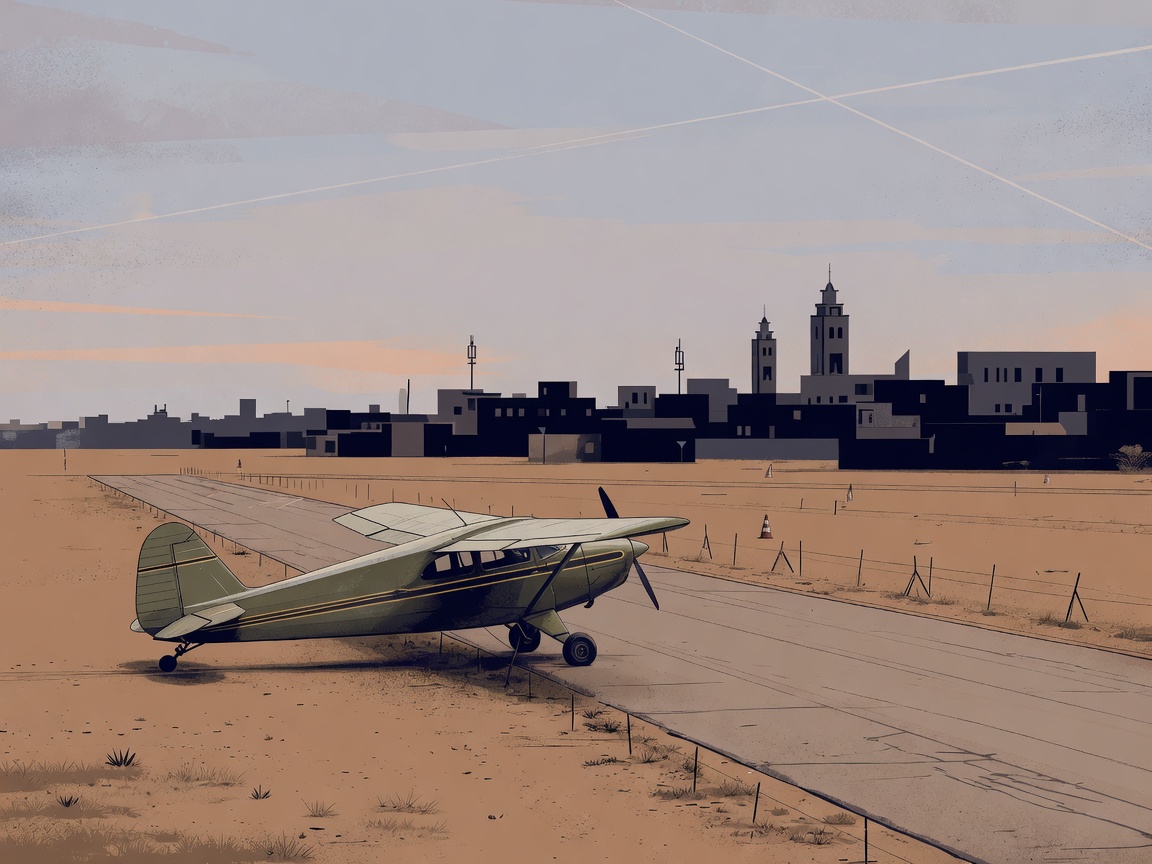
Rideout had been working in Niger as a Christian missionary for 19 years and served as a pilot for SIM International, which operates in more than 70 countries. The organization called his release incredibly good news after months of uncertainty about his wellbeing.
SIM International said Rideout would soon be reunited with his wife, their children and his extended family. The organization said his wife Krista and the rest of the family are profoundly grateful for the prayers offered on their behalf by people around the world throughout his captivity. The family has requested privacy while they reconnect after this time apart.
Within days of the kidnapping, the US warned its citizens against travelling to Niger due to an increased risk of terrorism, crime and civil unrest. The US embassy in Niamey issued a security alert a day after the abduction, warning that American citizens remain at a heightened risk of kidnapping throughout Niger, including in the capital city.
A country in turmoil
Niger is ruled by a military junta that took power in 2023 after deposing the democratically elected president, Mohamed Bazoum. The new authorities ousted western partners, including the US, which had soldiers in Niger, and forged a new security and diplomatic alliance with Russia. The country has become increasingly anti-Western since the coup.
In 2024, at the request of the junta, the US completed a withdrawal of hundreds of troops from an airbase in the country, which had been used to support counterterrorism operations. This year, however, the US government announced it had donated $2.3 million in military equipment to Niger after both sides reaffirmed a shared commitment to security cooperation. A statement from the US Embassy in Niger in May said the assistance reflects a shared interest in countering terrorism, combating kidnapping for ransom, disrupting criminal networks, and strengthening regional security.
The violence gripping Niger is part of a broader crisis. Niger, Mali, Burkina Faso and Nigeria have been dealing with violence that has gone on for more than a decade, resulting in the loss of thousands of lives and causing regional destabilisation. The region has also experienced a wave of military takeovers, with a string of democratic governments overthrown.
In June, more than 30 people were killed when gunmen attacked the main airport in Niamey. It was the second attack this year at the airport, a strategic hub that serves as the ruling military’s command, hosting its air force base and most of its drones and aircraft. The airport is also the headquarters of the regional alliance that brings together troops from Niger, Mali and Burkina Faso. The violence is the latest sign of armed groups increasingly targeting cities and urban centres in Africa’s Sahel region.
Sources & methods
- BBC News report on Rideout's release, citing SIM International, the New York Times, and Reuters. Archived Aug 14, 2026
- Guardian report on the kidnapping and release, with background on Niger's security situation and the June airport attack. Archived Aug 14, 2026
- NPR report on the release, including details on the US military withdrawal and subsequent equipment donation to Niger. Archived Aug 14, 2026
This article was assembled from reports by BBC News, the Guardian, and NPR, all published on or around 14 August. Claims were cross-referenced across the three sources, and direct quotes were drawn only from language appearing in those texts.