Brazilians vote in tight presidential runoff between Lula da Silva and Senator Flávio Bolsonaro
The incumbent has never trailed into a second round and won, making turnout the decisive variable in a race framed as a battle for democracy.
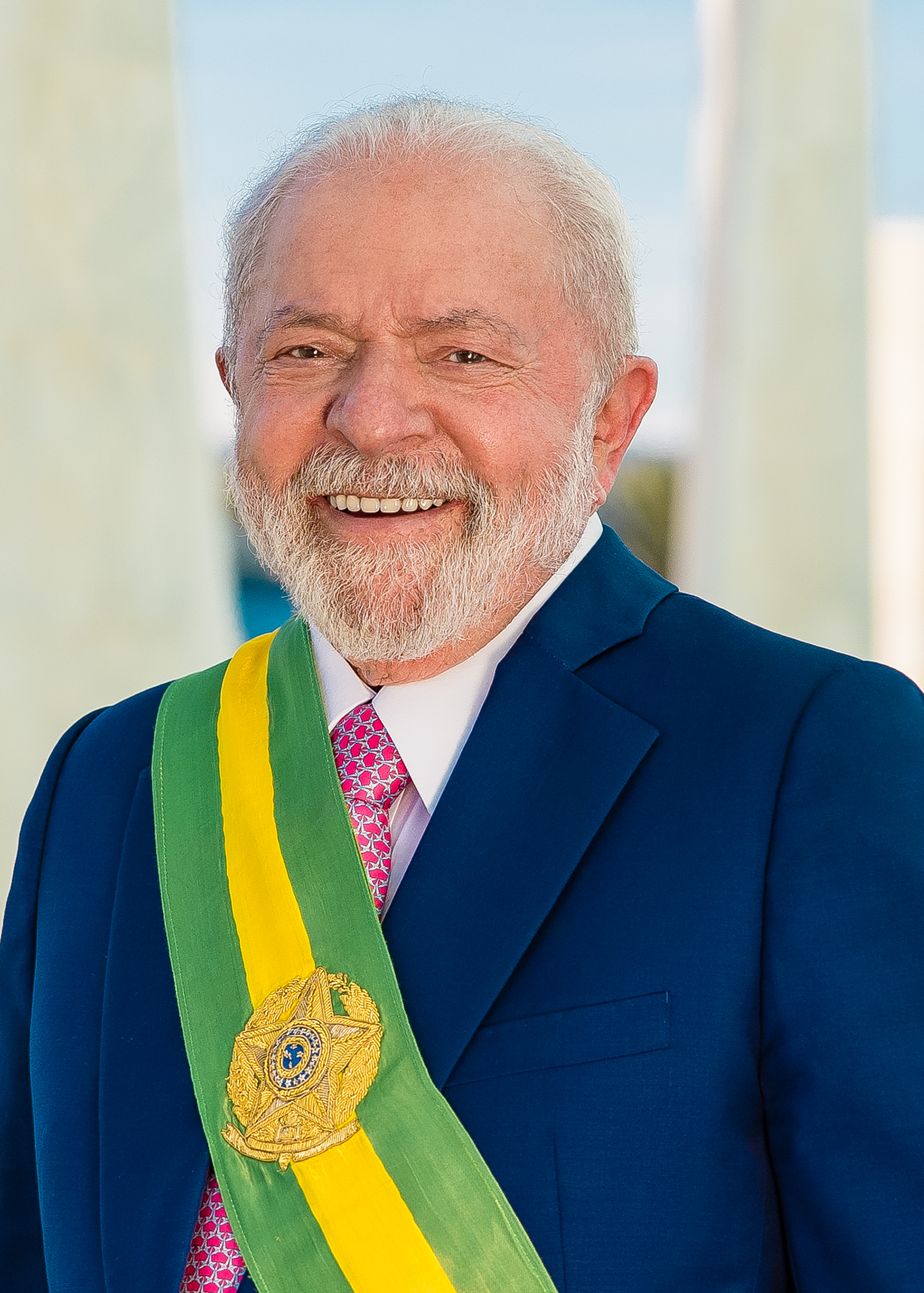
Brazilians are voting in a presidential runoff on Sunday. The closely fought race pits incumbent Luiz Inácio Lula da Silva against Senator Flávio Bolsonaro, son of former president Jair Bolsonaro, who is under house arrest.
Flávio Bolsonaro won the first round of voting on 4 October, but the gap between the two candidates was less than 2% of the vote, the narrowest ever recorded. Polling opens at 8am local time and closes at 5pm local time (20:00 GMT), with nearly 160 million citizens eligible to vote.
Son of a president under house arrest
Flávio Bolsonaro is 45, a senator, and a congressman for more than 20 years with few bills passed. He is the eldest son of former president Jair Bolsonaro, who is under house arrest serving a 27-year sentence for plotting a coup after losing the 2022 election. The younger Bolsonaro has promised to release or pardon his father if elected. He is under investigation in two federal police inquiries over alleged corruption and money laundering. With an even more conservative congress taking office next year, he has vowed to change the constitution and re-democratise the country, sending chills through those who fear he could follow in his father’s authoritarian footsteps.
Lula’s turnout fight
Lula’s campaign has focused on turnout, citing high abstention after 33 million people did not cast a vote in the first round. Never before has a candidate who trailed after the first round managed to overturn the deficit and win in the second round. Lula radically changed his digital strategy during the runoff campaign and benefited from student-led protests across the country, most of which did not even involve the president. Lula is seeking a fourth term, and he and his Workers’ Party have cast the election as a battle for democracy. “In the first round, Lula’s campaign failed to connect with the population, but now it has been civil society movements that have driven his growth,” said Helcimara de Souza Telles, a political scientist.
Final stretch and the Minas question
Both candidates held large final campaign rallies on Saturday in Rio de Janeiro, São Paulo, and Belo Horizonte. Lula spoke on Rio’s Copacabana beach, calling the election a matter of sovereignty. Flávio campaigned in Belo Horizonte, capital of Minas Gerais, a state that has been a must-win for any presidential hopeful since the 1980s. He appeared at a polling station in Rio early on Sunday morning. According to the BBC, Lula plans to watch results in São Paulo while Bolsonaro plans to be in Brasília.
Democracy, Trump, and the region
Donald Trump is an ally of the Bolsonaro family and called Flávio’s first-round victory a very big victory. Lula has insisted Brazil does not fit into anyone’s backyard, an apparent reference to Trump’s Donroe Doctrine, which asserts US dominance in the Western hemisphere. Lula’s administration has accused the US of interfering in Brazil’s election; Washington called the allegation baseless. According to the BBC, Flávio argues that working with Washington to combat criminal gangs will restore state sovereignty to gang-controlled areas. His security policy includes building five mega-prisons inspired by El Salvador’s Nayib Bukele, and he supports chemical castration for rapists. The Guardian reports that right-wing candidates have won all seven presidential elections held in Latin America since Trump began his second term. Many analysts believe that if Lula wins, Bolsonaro could refuse to concede and Trump could refuse to recognise the result.
Sources & methods
- BBC News — reporting on Brazil's presidential runoff, voter interviews, and campaign rallies Archived Oct 25, 2026
- The Guardian — analysis of the runoff campaign dynamics, voter interviews, and regional context Archived Oct 25, 2026
- Al Jazeera — live coverage of election day logistics and polling times Archived Oct 25, 2026
Reporting drawn from three published sources covering the runoff election, its candidates, and the campaign’s final days. No exit polling or results data were available at time of writing.