Convicted Bosnian Serb war criminal Ratko Mladić dies in prison at 84
The military commander jailed for life for genocide and war crimes during the 1992-95 Bosnian war was 84. He had been receiving palliative care at a UN detention facility in The Hague.
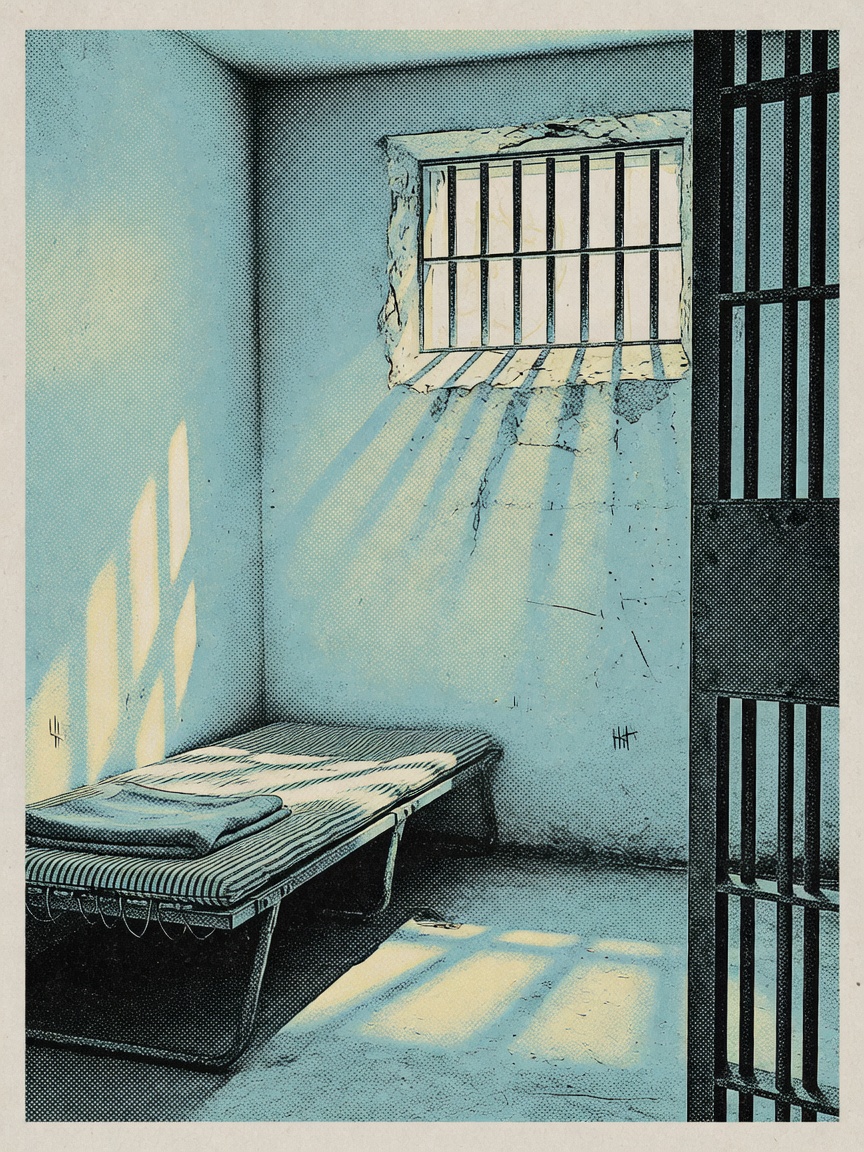
Ratko Mladić, the Bosnian Serb military commander convicted of genocide and war crimes during the 1992-95 war in Bosnia and Herzegovina, has died in a UN detention facility hospital at The Hague at the age of 84.
His death on Thursday was confirmed by the UN court. Dutch authorities have begun an investigation. The court’s top judge ordered a full inquiry into the circumstances of his death.
Mladić was jailed for life in 2017. The sentence was upheld on appeal in 2021. He never recognised the UN court.
For 16 years after the war, Mladić evaded arrest and became one of Europe’s most wanted fugitives. Al Jazeera reported that he was arrested in Serbia in May 2011 in the village of Lazarevo, near Zrenjanin, at the home of a relative, and transferred to The Hague several days later. His arrest was a key condition set by the international community for Serbia’s progress towards closer relations with the European Union, Al Jazeera reported, and Belgrade faced political and financial pressure from Western countries to cooperate with the tribunal.
The crimes
Born in Bozanovici near Kalinovik, about 40km south of Sarajevo, Mladić began his military career in the Yugoslav People’s Army and rose through its command structure before being appointed commander of the Republika Srpska’s army in May 1992. Over the next three and a half years, his forces sought to seize parts of Bosnia controlled by the army of the Republic of Bosnia and Herzegovina, including the capital Sarajevo. They devastated areas in their path in what became known as ethnic cleansing, aimed at expelling the non-Serbian population by force.
According to Al Jazeera, Sarajevo was surrounded by Bosnian Serb forces for almost 44 months, and from positions on the surrounding hills, they shelled the city and used snipers against its residents. The BBC reported more than 10,000 deaths, while Al Jazeera put the figure at more than 11,500 people from all ethnic groups, with many others wounded or displaced. The siege became one of the longest of a capital city in modern history.
In July 1995, Mladić’s forces seized Srebrenica despite the UN declaring the municipality a safe area. More than 8,000 Bosniak men and boys were killed in the days that followed. Some were captured and executed at locations in and around the town. Others were killed attempting to flee through forests toward territory controlled by the Bosnian government army. Bodies of victims were later discovered in numerous mass graves. Many were identified years after the war. The remains of around 1,000 victims are still being sought. International courts established that the killings constituted genocide, the first such crime on European soil since the Second World War.
Final years and reactions
Mladić had been held at The Hague detention facility since 2011. In May, the court rejected a bid for his release as he was nearing the end of his life. The judge agreed his situation was “dire” but ruled that he was receiving thorough and compassionate treatment in prison. His lawyers said he had been bedbound or in a wheelchair for a long time and had suffered a suspected stroke that left him almost unable to speak. Earlier this year, Serbia requested that Mladić be allowed to receive medical treatment outside prison, saying his health condition was serious.
Hasan Hasanović, a Srebrenica survivor who lost his twin brother and father in the massacre, told the BBC World Service that Mladić’s death “does not bring closure because the people who were killed in Srebrenica cannot come back.” “His death is just a biological necessity, and it doesn’t bring to an end the political project and military project that created that legacy of genocide,” Hasanović said. “And we now live with the consequences of a divided country, genocide denial.” He now works at the Srebrenica memorial centre.
Bosnian Serb separatist leader Milorad Dodik told Reuters that Mladić “was respected by Serbian people.” “As a commander he stood to defend Serbs,” Dodik said. In Belgrade, a man called Milan told Reuters he genuinely believed Mladić protected the Serbian people. Another man, Vasilije, called it a total injustice that Mladić was sent to The Hague.
Mladić continues to have support among sections of the Serbian public and political circles in Serbia and Bosnia and Herzegovina, Al Jazeera reported, with murals depicting him still visible in Banja Luka, Belgrade, and other predominantly Serb areas. Al Jazeera reported that denial of the Srebrenica genocide and the glorification of convicted war criminals remain serious problems in Bosnia and Herzegovina. Data from the Srebrenica Memorial Centre, cited by Al Jazeera, recorded 149 cases of public genocide denial during the first quarter of 2026, including statements by public figures, an increase from 99 such cases in 2025.
Sources & methods
- BBC News article on Mladić's death, including court statements, the 10,000 Sarajevo death toll, survivor testimony from Hasan Hasanović, and reactions from Serbian residents Archived Aug 27, 2026
- Al Jazeera obituary covering Mladić's military career, the Srebrenica genocide, the 44-month siege of Sarajevo with 11,500 deaths, his arrest in Lazarevo, EU conditionality, and ongoing genocide denial data from the Srebrenica Memorial Centre Archived Aug 27, 2026
This article was reported from accounts published by BBC News and Al Jazeera, drawing on UN court statements, survivor interviews, Reuters reporting cited within those sources, and data from the Srebrenica Memorial Centre.