Cost-of-living protests turn violent across German cities as shops are looted in Frankfurt
Tens of thousands demonstrated peacefully by day before clashes erupted in the evening in Frankfurt, Berlin, Cologne and Hamburg.
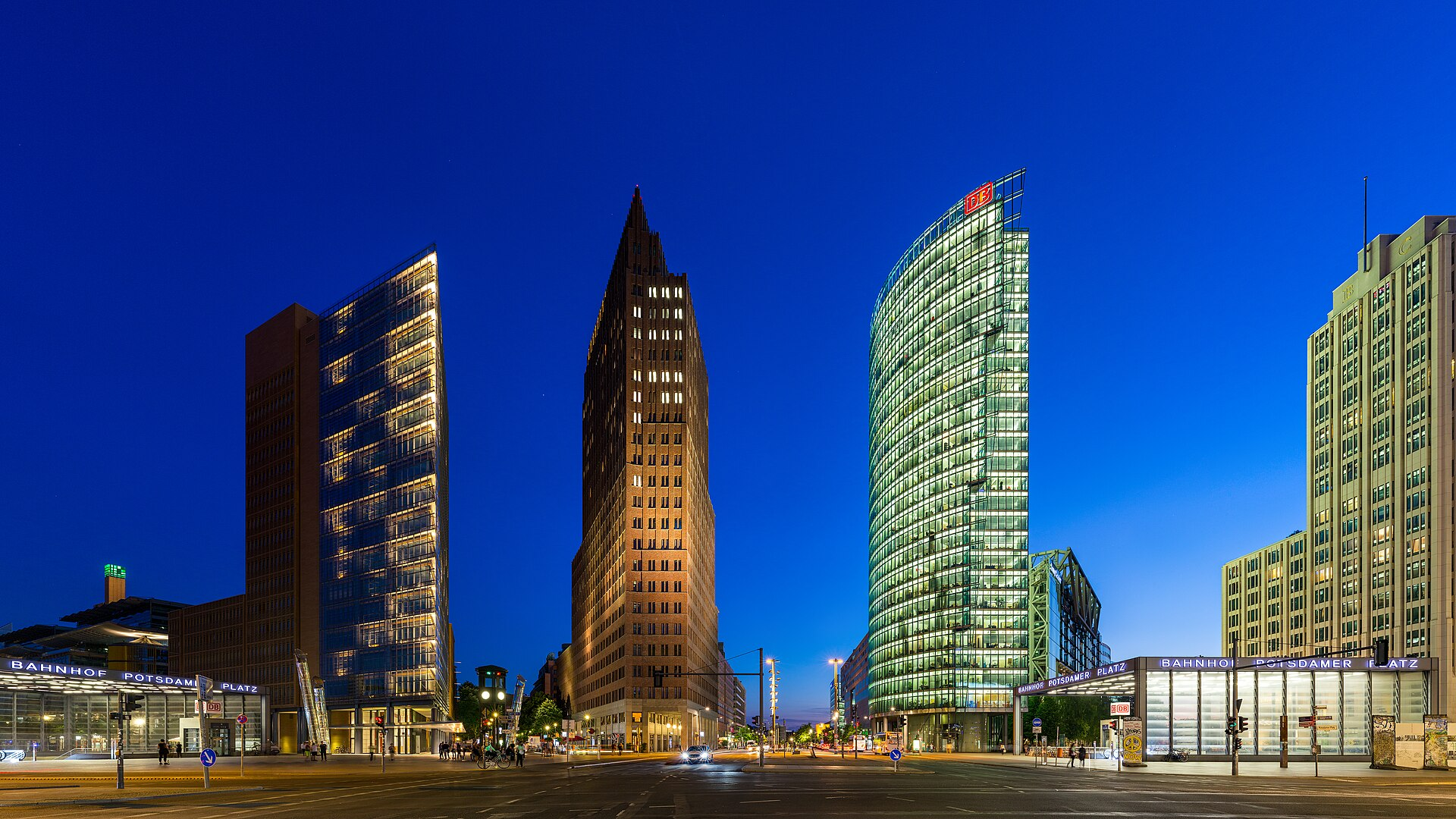
Tens of thousands of people protested across German cities on Saturday in demonstrations over the cost of living. The rallies were largely peaceful during the day before violence erupted in the evening. Shops were looted in central Frankfurt.
The demonstrations were organised by the campaign group Gen Z regelt. German media said tens of thousands protested in cities across the country. Violence occurred in Frankfurt, Berlin, Cologne and Hamburg after dark, with protesters targeting emergency workers with fireworks, stones and bottles. Police used water cannons. Several police officers were injured. The protests were inspired by similar youth-led movements in France.
Frankfurt: looting, a gun shop and Molotov cocktails
Frankfurt police said violent riots were occurring in the city centre. Special police units were deployed. A police spokesperson said many arrests were made in the city. People broke into shops along the main shopping street and stole items like trainers as police closed off a large section of the area. The windows of a gun shop were smashed. Police seized two weapons after arresting a suspect. Molotov cocktails were thrown at emergency services. Roman Poseck, interior minister of Hesse state, of which Frankfurt is the biggest city, said around 100 clearly identified left-wing extremists had infiltrated the Frankfurt protest. He described the way the protests ended as shameful. The situation calmed down overnight into Sunday.
‘We all have those images from France in our minds — looting, burning houses, burning police vehicles, and attacks on police officers,’ Poseck said. ‘France must not be held up as a model in this regard.’
Berlin, Hamburg and Cologne
A smaller evening demonstration in Berlin, following larger protests during the day, resulted in 27 police officers injured and up to 56 people temporarily detained, according to Berlin police. In Hamburg, people dressed in black set off fireworks and set barricades on fire, with public broadcaster NDR reporting that 120 people were arrested. In Cologne, police said officers were attacked near the main train station, with bottles thrown and a bicycle launched at them. Cologne police chief Johannes Hermanns said it was ‘deeply saddening that young people who wanted to peacefully demonstrate for their future were infiltrated today by extremists who had nothing but violence in mind.’
Turnout dispute and protester demands
Gen Z regelt said about 120,000 people took part in the protests, below the roughly 180,000 it had expected. Authorities in Frankfurt, Munich and Berlin reported as many as 18,000 protesters, roughly half of what organisers had estimated on their website. Gen Z regelt spokesperson Lina Friedrich said the demonstrations were ‘to fight for peace and freedom, rather than for war and coercion.’ She added: ‘What matters most to us is better support for the health and education systems. We are against compulsory military service and we are in favour of a fairer distribution of the burden.’
A wave across Europe
The German protests took place on the same day as other large-scale demonstrations across the continent. In France, more than 320,000 people took part in a third consecutive weekend of largely peaceful protests demanding action on the high cost of living and poor public services. Thousands of police officers were deployed across the country, and officers fired tear gas at demonstrators in some cities. There were more than 500 arrests after clashes in Toulouse, Lyon and Marseille. French Interior Minister Laurent Nuñez said a police officer had been injured by a molotov cocktail, and French prosecutors launched an attempted murder probe. Police in Paris said several hundred rioters had attacked security forces with projectiles. Protests also took place in Italy. Clashes erupted between police and demonstrators in Rome and Turin. In Portugal, police cleared a tent camp after thousands marched against a rental bill they argue could worsen a housing crisis, in a country where house prices have more than doubled over the past decade. Mostly young protesters have recently taken to the streets in France, Belgium, Ireland, Spain, Portugal, Italy, Greece, Serbia and Albania.
Interior minister calls for harsh punishments
Germany’s Interior Minister Alexander Dobrindt told Bild newspaper that police had prevented violence like that seen in Paris in recent weeks. He called for harsh punishments for rioters and looters.
Sources & methods
- BBC News, reporting on cost-of-living protests across German cities and parallel demonstrations in France, Italy and Portugal Archived Nov 1, 2026
- Al Jazeera, photo essay and reporting on youth-led rallies organised by Gen Z regelt across Germany Archived Nov 1, 2026
This article draws on reporting from BBC News and Al Jazeera, including police statements, organiser figures, and accounts from German public broadcaster NDR. Turnout figures are attributed separately to organisers and to authorities, as the two sides report materially different numbers.