Netanyahu’s bloc leads Israel’s election with most ballots counted but falls short of a Knesset majority
With 85% of ballots counted, neither Netanyahu’s bloc nor Eisenkot’s opposition can reach the 61 seats needed to govern, and Arab-led parties holding a record 19 seats are effectively fenced off by pledges from all but one of the Jewish parties not to coalition with them.
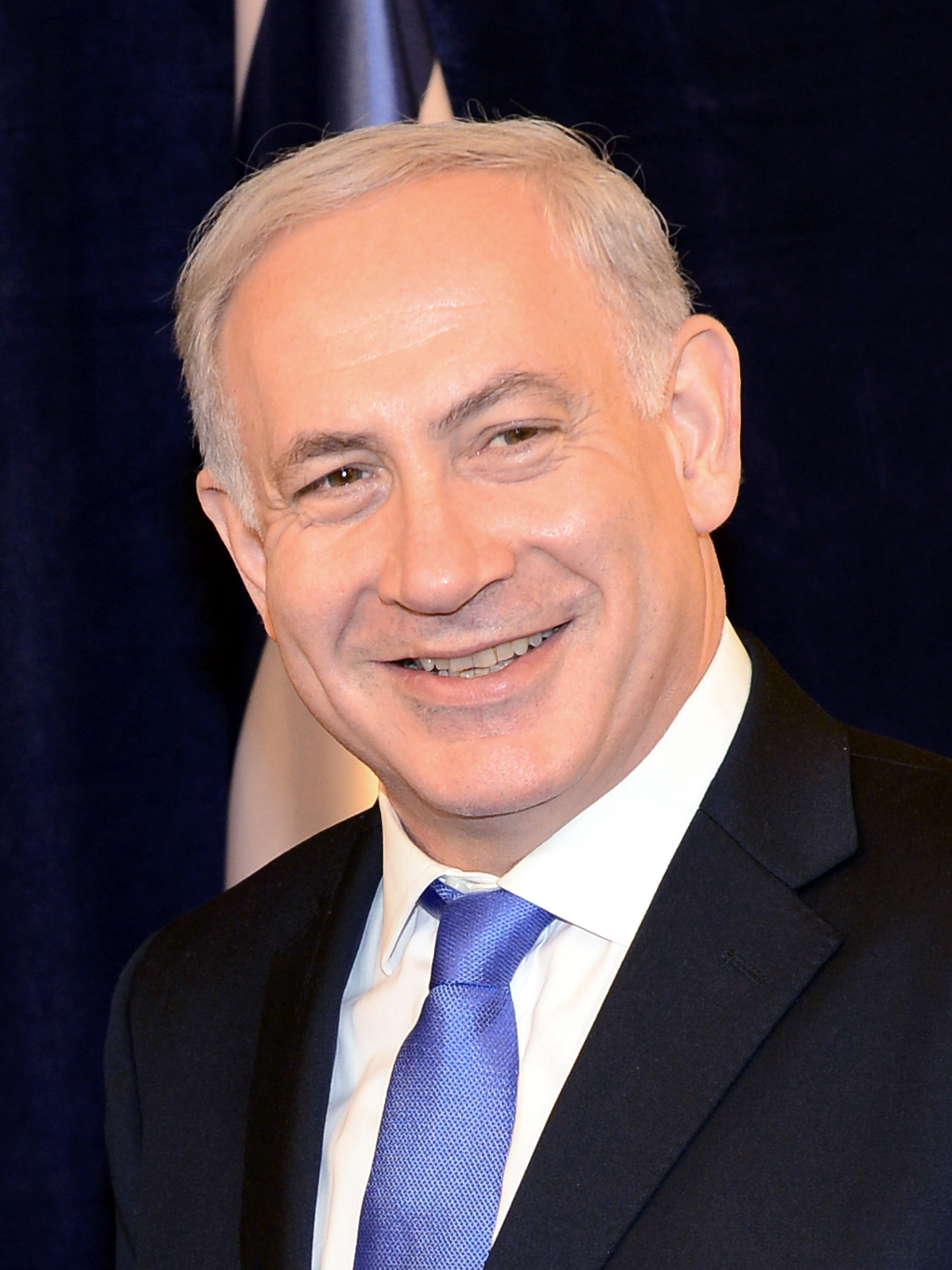
With 85% of ballots counted, Prime Minister Benjamin Netanyahu’s bloc of Likud and far-right and ultra-Orthodox allies is on track for 53 seats in the 120-seat Knesset, short of the 61 needed for a governing majority.
The opposition bloc led by Gadi Eisenkot, a center-right former military chief of staff, is set for 48 seats through his Yashar party and three other Jewish opposition parties. Arab-led parties are on course for a record 19 seats. That could make them kingmakers. Both Netanyahu and Eisenkot have said they will try to form a governing coalition. But all but one of the Jewish parties have pledged not to work with Arab parties, effectively fencing off those 19 seats and leaving neither bloc with an obvious route to a majority.
Overnight swing and ballots still uncounted
Initial exit polls by three Israeli broadcasters projected Eisenkot’s Change Bloc at 52 to 53 seats and Netanyahu’s bloc at 50. That suggested the opposition was within reach of power. Updated exit polls later showed two broadcasters projecting a 51-51 tie and one giving Netanyahu’s bloc a narrow three-seat lead. Israelis went to bed thinking Eisenkot had the advantage. By morning, Netanyahu had pulled ahead. The picture remains incomplete. Between 430,000 and 480,000 absentee ballots from soldiers and diplomats remain uncounted. Election officials say they expect to finish counting by tomorrow afternoon. The election was too close to call, with both leaders insisting they should be tasked with forming a government yet neither able to demonstrate a clear path to a majority.
The Arab party barrier
Arab Israelis account for about a fifth of the population. Arab-led parties are on course for a record 19 seats after a surge in turnout. Danny Ayalon, a former Israeli ambassador to the United States, said Arab turnout came in “really unprecedented numbers.” The two Arab parties, the United Arab List and the Joint List (which includes Balad), appear to have benefited from that mobilization. Sami Abu Shehadeh leads Balad, one of the Joint List’s three parties. He was not a candidate. The Central Elections Committee voted to disqualify him, accepting petitions arguing he supported armed struggle and denied Israel’s Jewish and democratic character. He withdrew in October after a majority of the Supreme Court panel appeared willing to approve the disqualification. Yousef Jabareen leads the Joint List and has expressed willingness to work to oust Netanyahu, writing that “change runs through a Jewish-Arab partnership — a genuine and equal partnership.” Yair Golan, leader of the left-wing Democrats party, told Eisenkot’s bloc partners there was an opportunity to form a change government in partnership with Arab parties, warning that Israelis “have no future here if we don’t stop being afraid.” But Eisenkot’s bloc is hesitant to form a coalition with Arab parties. Al Jazeera’s Nour Odeh, reporting from Ramallah in the occupied West Bank, said Netanyahu “has scared off everybody from talking to the Palestinian Israeli parties.” Netanyahu declared that Israelis chose a strong right-wing government. “It is forbidden, simply forbidden, to endanger Israel by forming a government that relies on anti-Zionist Arab parties,” he said. Eisenkot declared that the public voted for change and that “the coalition of failure has lost the people’s trust,” adding that he would work with his partners to ensure the people’s decision was “translated into a Zionist government.”
What happens next
President Isaac Herzog will hold consultations with all political factions and invite the leader he believes has the best chance to form a government, a process he expects to begin next week once official results are confirmed. The leading candidate will have six weeks to form a governing coalition. If no government is formed, there would have to be another election. Herzog praised the 77.7% turnout, the highest in more than two decades, as “a badge of honour for Israeli society,” and urged party leaders to approach the talks with an open mind. “We must do everything we can, certainly after yesterday, to avoid another round of elections,” he said.
Sources & methods
Reporting based on partial election results, exit polls, and statements from party leaders and election officials as covered by three news organizations.