Ethiopia and Eritrea cut diplomatic ties as fighting escalates across northern Ethiopia
The rupture caps weeks of multi-front fighting, a seven-group anti-government alliance, and tit-for-tat expulsions with Egypt, all following the collapse of the 2022 Tigray peace deal.
Ethiopia and Eritrea have cut diplomatic ties as fighting escalates in northern Ethiopia, raising fears of a wider regional conflict drawing in Egypt and Sudan.
The rupture caps weeks of escalation across multiple fronts. On September 20, the TPLF and six other armed and political groups announced an alliance aimed at toppling Prime Minister Abiy Ahmed’s government. Ethiopia has also engaged in tit-for-tat diplomatic expulsions with Egypt. The crisis follows the collapse of the 2022 Tigray peace deal, which had ended a devastating two-year war between the TPLF and federal forces.
Diplomatic confrontation
On Thursday, Ethiopia announced it was closing its embassy in Asmara and ordered 10 Eritrean diplomats to leave within 48 hours, accusing them of activities threatening national security. Eritrea described the decision as astounding. “Eritrea has no option but to reciprocate in kind and sever all diplomatic ties with Ethiopia,” its foreign ministry said, warning of negative corollaries. The confrontation came hours after powerful explosions were heard overnight in Addis Ababa, including near Ethiopia’s military headquarters. It was not clear who was responsible for the blasts.
Ethiopia’s army chief has accused Eritrea of backing armed groups, an allegation Asmara has denied. Eritrea’s Information Minister Yemane Gebremeskel told BBC Tigrinya that Ethiopia’s Prosperity Party was blaming neighbouring countries to divert attention from internal conflicts. A pro-government militia commander told the BBC that Eritrean soldiers had been involved on the front lines in Tigray, though the BBC has not independently verified this claim.
Fighting across three regions
Fighting is concentrated in the northern Ethiopian regions of Tigray, Amhara and Afar, with several active fronts rather than a single battlefield. According to the conflict monitor ACLED, clashes between Tigrayan and federal forces began near the Sudanese border on August 1. On September 23, fighting escalated sharply as Tigrayan forces seized airports in Mekelle, Axum and Shire and pushed into Afar and Amhara. The government says the TPLF launched an all-out offensive, while the TPLF says it is fighting a defensive war in response to federal offensives and drone strikes. In September, Tigrayan forces moved tanks and artillery south, with reports of renewed recruitment and forced mobilisation in Tigray.
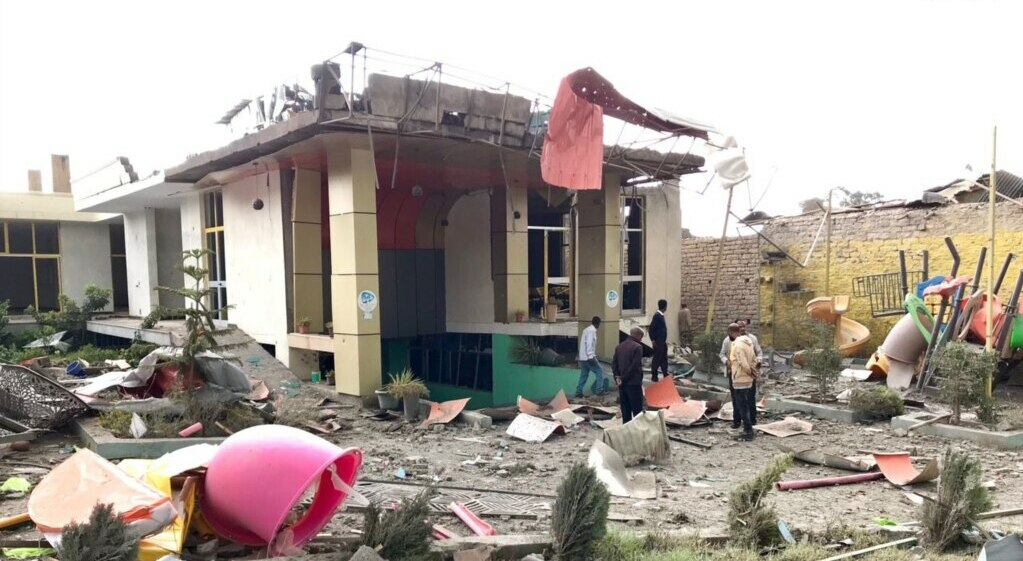
Government-aligned forces captured Alamata on September 28. The town sits about 120km south of Mekelle and serves as a supply hub for troops, fuel and food near Tigray’s border with Amhara. On September 22, between 15 and 17 drone strikes hit Alamata, including several schools and a hospital, according to ACLED. A doctor in Alamata told the BBC that at least 52 civilians had been killed during three days of intense fighting. Federal forces and their allies are advancing towards Mekelle. A separate front has opened near the Tekeze River in western Tigray, an area disputed between Tigray and Amhara. Fighting has spread into northern Amhara around Kobo and Gidan in North Wello zone and Sekota in Wag Hemra zone, which government forces retook on September 27. In Afar, fighting has been reported along the Tigray-Afar border and around Erebti and Abala. Telecommunications have been cut across much of Tigray, and commercial flights have been suspended.
The anti-Abiy alliance
The TPLF and six other groups announced their alliance on September 20, calling it the Ethiopian Peoples’ Forces Alliance for Survival. Its members include the TPLF, Amhara Fano, Ugugumo, the Oromo Liberation Army, the Ogaden National Liberation Front, the Benishangul Peoples’ Liberation Movement, and the Gumuz Peoples’ Democratic Movement. On September 25, the Sidama National Liberation Front announced it would also join. The alliance’s founding statement accused the government of dictatorial rule and proposed a transitional government to end the country’s wars, protect rights and open a national dialogue. The membership, however, is contested. The Gumuz Peoples’ Democratic Movement has denied joining, saying it has no armed wing. The ONLF is split on joining. The OLA says its main interest is removing the government rather than coordinated military operations. According to ACLED, only three members — the TPLF, Amhara Fano and Ugugumo — were actively fighting federal forces as of September 26.
Egypt and Sudan drawn in
Separately from the Eritrea rupture, Ethiopia expelled an Egyptian diplomat, giving him 48 hours to leave. Egypt responded by ordering an Ethiopian embassy official to leave within the same period. Ethiopia’s army chief accused Egypt of backing the armed groups. Egypt denied the allegations and said it strictly respects the sovereignty of neighbouring states. The army chief also accused Sudan’s army of backing the armed groups. Relations between Ethiopia and Egypt have been strained over the Grand Ethiopian Renaissance Dam on the Blue Nile. Meanwhile, fighting in Afar threatens Ethiopia’s transport and import corridor to Djibouti and the sea.
From peace prize to severed ties
Abiy Ahmed restored relations with Eritrea in 2018 after two decades of hostility and was awarded the Nobel Peace Prize in 2019. The two countries were allies during the 2020-2022 Tigray war, when Eritrean troops fought alongside federal forces against the TPLF. Relations have since deteriorated, partly over Ethiopia’s push for access to the Red Sea. Ethiopia lost its coastline when Eritrea became independent in 1993. An African Union mediator previously estimated that about 600,000 people died during the 2020-2022 Tigray war. The TPLF dominated Ethiopian politics for nearly three decades before Abiy took office in 2018. The Amhara Fano movement turned against Abiy’s government in 2023, after fighting alongside federal forces during the Tigray war.
Humanitarian and international response
Tens of thousands of people are estimated to have fled their homes in Afar. UN spokesman Stéphane Dujarric said drone activity and air strikes were putting civilians, vital infrastructure and aid operations at risk. The UN has called on all sides to guarantee safe and unhindered access to people in need. The African Union has urged Ethiopia, Eritrea and Egypt to exercise restraint and resolve their differences through diplomatic channels.
Sources & methods
- BBC News, reporting on the diplomatic rupture, fighting, and humanitarian situation in northern Ethiopia Archived Oct 2, 2026
- Al Jazeera, visual explainer mapping the spread of fighting beyond Tigray and profiling the anti-government alliance Archived Oct 2, 2026
This article draws on reporting from BBC News and Al Jazeera, with conflict-mapping data from ACLED. The BBC has not independently verified allegations of Eritrean troops on the front lines and has been unable to report from Tigray due to telecommunications cuts.