Ethiopia warns it will defend itself after Eritrean troops cross the border into Tigray
Both nations accuse each other of launching war amid drone strikes on Eritrean forces and the severing of diplomatic ties.
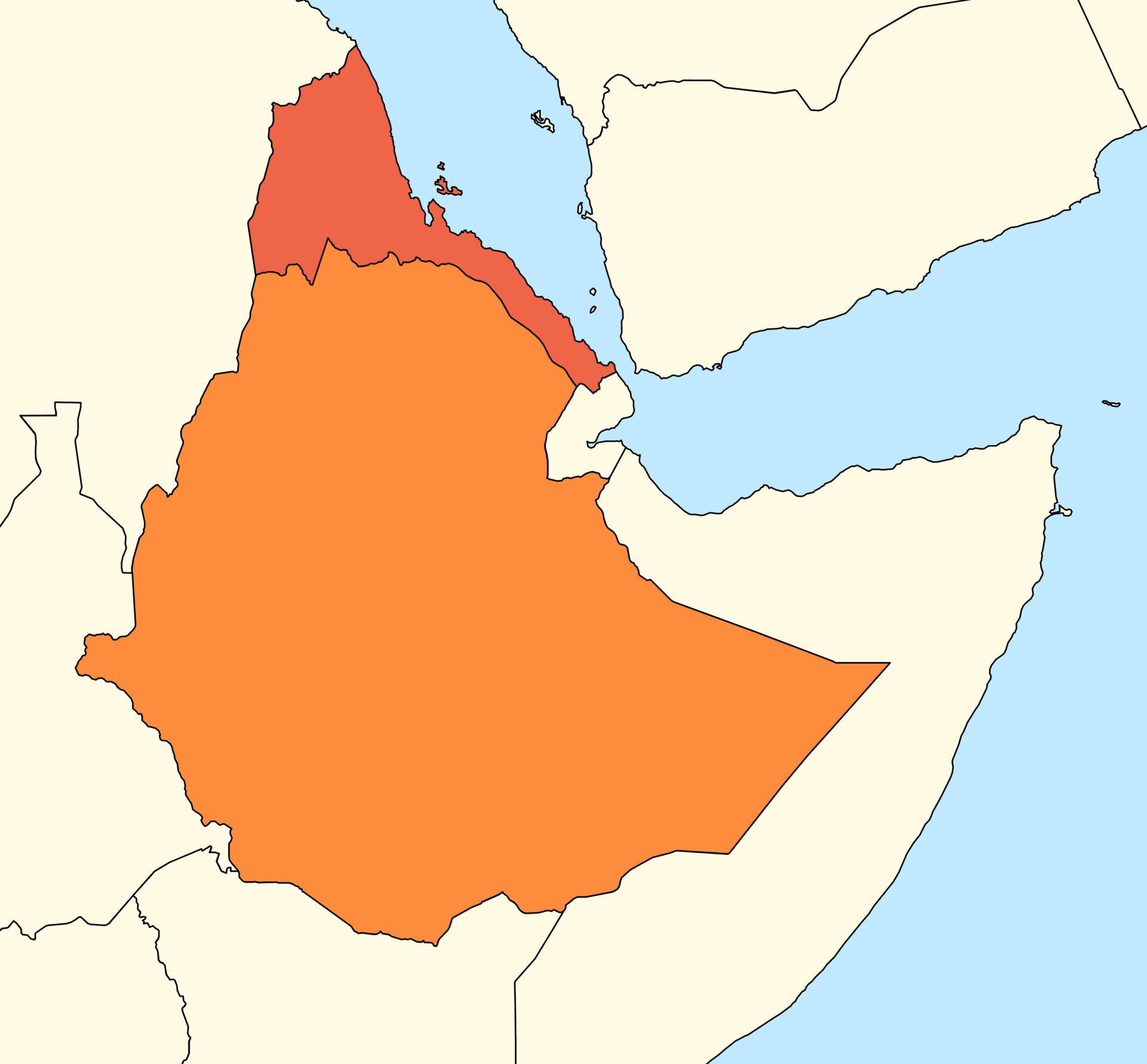
Ethiopia has accused Eritrea of an all-out invasion of its northern Tigray region and invoked its right to self-defence, in a letter to the UN Security Council dated 8 October.
Ethiopian Foreign Minister Gedion Timothewos called the incursion a “blatant act of aggression that engages Ethiopia’s inherent right to self-defence” and said Eritrean forces had advanced up to 60km (37 miles) into Tigray. The letter was addressed to French Foreign Minister Jean-Noel Barrot, who currently serves as council president. Ethiopia says Eritrea backs the TPLF, a claim Eritrea denies.
Eritrean Information Minister Yemane Gebremeskel said Eritrea was facing “an unprovoked war of aggression” from Ethiopia. In a post on X, he accused Ethiopia of “openly working to bring about regime change in Eritrea by providing shelter and support to certain mercenaries who claim to be opposition.” Yemane said Asmara had shown restraint since Ethiopia essentially declared war in 2023 when it stated it would gain access to the sea. He accused Addis Ababa of using the current conflict to take Assab, an Eritrean port, to restore access to the Red Sea. On Friday, he called the accusations against Asmara “duplicity in their most extreme forms.”
Drone strikes and ground fighting in Tigray
Ethiopian drone strikes targeted Eritrean forces in the Tigrayan town of Adigrat on Wednesday and Thursday. The US-based conflict monitor Acled reported that “Eritrean troops and ammunition” in Adigrat were hit by “multiple drone strikes” overnight. One resident told AFP news agency “there were many, many drone strikes” and that some Eritrean lorries had been destroyed. Another witness said Eritrean forces appeared to be retreating north after the strikes. Witnesses told AFP that Eritrean troops were seen in Adigrat before the strikes hit them.
Fighting broke out between the Ethiopian government and the TPLF two weeks ago, with both sides blaming each other for violating the 2022 deal that ended the civil war. TPLF forces withdrew from Tigray’s main city of Mekelle, which is now under army control. Witnesses told AFP that rebels had also lost the Tigrayan cities of Shire and Adigrat. Mekelle is 115km (71 miles) south of Adigrat.
From rapprochement to rupture
Eritrea gained independence from Ethiopia in 1993, and the two nations fought a border war for two years beginning in 1998. Relations improved in 2018 when Ethiopian Prime Minister Abiy Ahmed came to power. Eritrea then fought alongside Ethiopia against the TPLF in the civil war from 2020 to 2022. Eritrea was not part of the 2022 peace deal that ended that war, which soured ties soon afterwards. Diplomatic ties were cut last week, when Ethiopia closed its embassy in Asmara and ordered 10 Eritrean diplomats to leave the country. In response, Eritrea announced it was severing ties.
Tensions are fuelled by Abiy’s ambition for landlocked Ethiopia to gain access to the sea, which Eritrea sees as a threat to seize its Red Sea port. Ethiopia lost its access to the coast when Eritrea secured independence. A new alliance of seven armed groups, including the TPLF, was launched in September and has been attempting to overthrow Abiy’s government. Ethiopia’s letter to the Security Council read: “In this time of difficulty, when Ethiopia is left with no other option but to defend itself, we count on your understanding, support, and solidarity.”
Sources & methods
- BBC News reporting on Ethiopia's UN Security Council letter, drone strikes in Adigrat, and the historical context of Ethiopia-Eritrea relations Archived Oct 9, 2026
- Al Jazeera reporting on Ethiopia's accusations of invasion, Eritrea's counterclaims, diplomatic severance, and the broader Horn of Africa tensions Archived Oct 9, 2026
This article draws on reporting from BBC News and Al Jazeera, including Ethiopia’s letter to the UN Security Council shared with news agencies, statements by Eritrean Information Minister Yemane Gebremeskel on X, witness accounts reported by AFP, and data from the conflict monitor Acled.