France formally accuses Iran’s IRGC of cyberattacks on supermarket and blood bank refrigeration systems
Foreign Minister Jean-Noël Barrot called the sabotage campaign the first large-scale cyber-sabotage on French national territory, as Paris moved to summon Iran’s ambassador and pursue Europe-wide sanctions.
France has formally accused Iran’s Islamic Revolutionary Guard Corps of orchestrating cyberattacks on refrigeration systems at supermarkets and blood banks in October, marking the first time Paris has attributed an act of large-scale cyber-sabotage on its soil to Tehran.
Foreign Minister Jean-Noël Barrot described the attack as “unprecedented in both its scale and its level of aggression” and said it “marks the first large-scale cyber-attack aimed at sabotage on our national territory, and it constitutes a major attack on the nation’s interests and the security of the French people.” France summoned the Iranian ambassador to Paris to protest, and Barrot said those responsible would face Europe-wide sanctions. The Paris Prosecutor’s Office has opened an investigation and is requesting the issuance of international arrest warrants.
How the attack worked
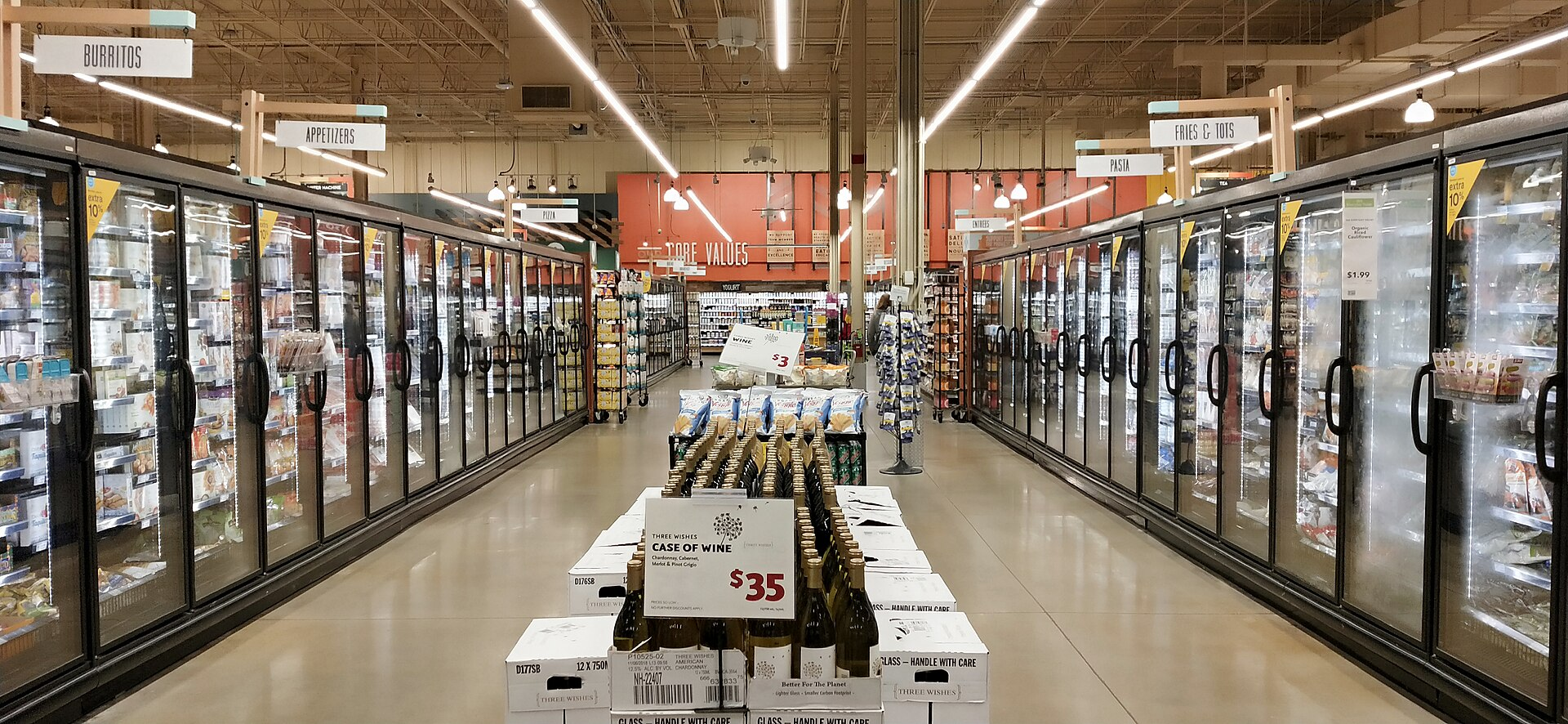
On 11 October, hackers gained control of software regulating temperatures of refrigeration units across French supermarkets, targeting a system provided by Danish engineering firm Danfoss that allows retailers to manage cold units remotely. According to ANSSI, the French national cybersecurity agency, Iranian military hackers took over refrigeration controllers at around 700 retail sites in France, from supermarkets to butcher shops. The affected retailers included Coopérative U, Intermarché and its Netto brand, Carrefour, Monoprix, and E.Leclerc. In some stores, temperatures of fridges reportedly rose to 50C overnight, destroying food. Some affected Danfoss models are no longer receiving security fixes, according to security researchers.
A blood bank refrigeration system was also hit in November, forcing employees to act fast to save blood samples from heating up. The French Blood Establishment said the attacks were stopped before any blood was spoiled. ANSSI also disclosed that hackers targeted several small hydroelectric power plants, resulting in what the agency described as “moderate effects.”
Tracing the attack to Shahid Kaveh
Paris prosecutor Laure Beccuau named the unit behind the attacks as Shahid Kaveh, which she said had an affiliation with the electronic and cyber centre of the IRGC. ANSSI identified the hackers through digital clues including the digital infrastructure used by the hackers, a connection to a propaganda outlet, and traces of the Farsi language in the attack. In the spring, suspected Iranian hackers going by the name Cyber Isnaad Front claimed responsibility for sabotaging an industrial food processing plant in Israel, infecting corporate computers with malware, taking over office printers to print threatening messages, and hacking office cameras for a propaganda video released in early October. That video included a taunt in French referencing ongoing education-related protests, and came just before the attacks on French supermarket fridges.
A pattern stretching across Europe and beyond
A second wave of hacks hit stores across Europe in early November, affecting supermarkets in Belgium and Luxembourg, with a smaller number of shops hit in Sweden, Ireland, the Netherlands, Estonia, and Finland. A pair of Russian-aligned hacktivist groups claimed responsibility, but few believed them. Over the summer, refrigeration units at U.S. military bases malfunctioned, spoiling food, and the incidents are being investigated as possible deliberate cyberattacks; the U.S. intelligence community has not yet made a formal or public attribution. Prior Iranian cyber operations include a suspected attack on an Israeli industrial food plant and cyberattacks on American water treatment facilities believed linked to Iran but never officially attributed by the U.S. government.
Iran has not officially responded to the accusations, though some Iranian media outlets dismissed the allegations as baseless.
Sources & methods
- BBC News, 'France accuses Iran of supermarket fridge hacking,' 2 November 2026
- NPR, 'France accuses Iran of cyber sabotage in fridge attacks,' 9 November 2026 Archived Nov 10, 2026
- The Guardian, 'Cyber-attack on French supermarket freezers has geopolitical context,' 9 November 2026 Archived Nov 10, 2026
- TechCrunch, 'France blames Iran for mass-hacks targeting freezers in grocery stores and blood banks,' 9 November 2026 Archived Nov 10, 2026
Reporting drew on statements by French Foreign Minister Jean-Noël Barrot, ANSSI press materials, the Paris Prosecutor’s Office, the French Blood Establishment, and interviews with cybersecurity experts. Timeline and attribution details were corroborated across four independent news outlets.