Guinea-Bissau voters approve constitution expanding presidential powers ahead of December elections
A referendum organized by the military government gives the president sweeping new authority over government formation and parliament, while the main opposition party boycotts the vote.
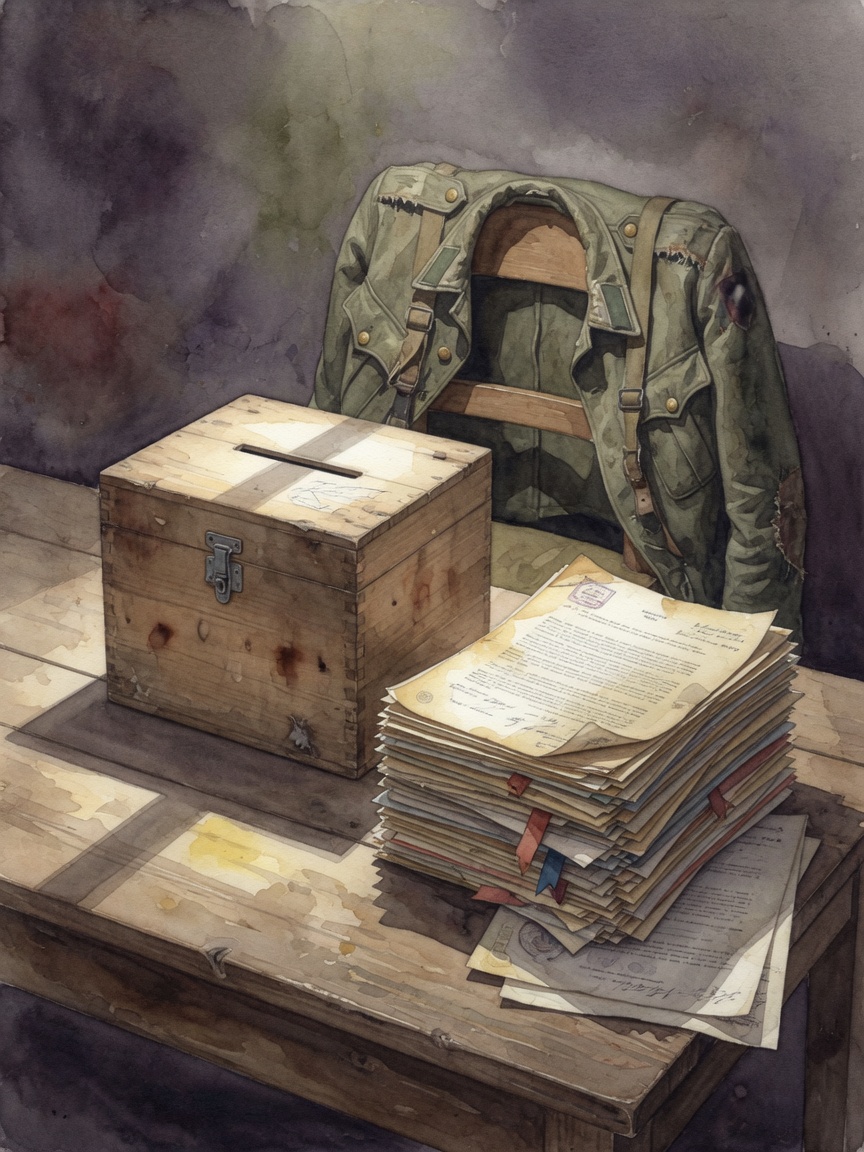
Guinea-Bissau voters have approved a new constitution that significantly expands presidential powers, reduces parliamentary seats, and sets new candidate eligibility rules ahead of elections scheduled for December.
Voters backed the changes decisively. The referendum took place on 30 August. Provisional results from the country’s electoral commission showed that 70% of voters supported the new constitution, while 30% voted against, according to the BBC. The BBC reported turnout at nearly 60%, while the Guardian put the figure above 55%, amounting to an estimated 544,060 people. The Guardian noted that the vote marked the first constitutional amendment in the west African state since revisions that ended the one-party socialist state more than three decades ago.
The military government organized the referendum. It seized power in November 2025 after a disputed presidential election in which then-President Umaro Sissoco Embaló and opposition candidate Fernando Dias both claimed victory, citing electoral malpractice by the other’s camp. The military forcefully intervened, setting up a transitional ruling council. The junta leaders said they had acted to thwart a plot by unnamed politicians who had the support of a well-known drug baron to destabilise the country, the BBC reported. The takeover added Guinea-Bissau to a growing list of western and central African countries that have experienced military coups in recent years.
Sweeping reforms
The new constitution allows the president to appoint and dismiss the prime minister and cabinet, create or abolish ministries, and dissolve parliament in the event of a grave political crisis. Previously, the legislature appointed a prime minister from the parliamentary majority, who then formed a cabinet, an arrangement the ruling military authorities said had contributed to political instability. The new constitution strengthens the presidency at the expense of the prime minister, altering the balance of power under Guinea-Bissau’s semi-presidential system. The military authorities have argued that the changes are necessary to end repeated disputes between presidents and prime ministers. The five-year presidential term and two-term limit have been retained.
The constitution reduces parliamentary seats from 102 to 65 and cuts electoral constituencies from 29 to 12. It also requires presidential candidates to have lived continuously in Guinea-Bissau for the five years before an election, a provision the Guardian reported is believed to target diaspora-based politicians with significant followings.
Opposition boycott
The main opposition party boycotted the vote. The African Party for the Independence of Guinea and Cape Verde (PAIGC), which the Guardian reported was barred from fielding a presidential candidate in the 2025 election, called the referendum a democratic farce and urged its supporters to boycott. The party said the process lacked adequate political and institutional safeguards and threatened the country’s transition back to democracy, the BBC reported. PAIGC leader Domingos Simões Pereira said: “What will happen on 30 August is the continuation of the coup d’état carried out on 26 November.” He accused those behind the referendum of seeking to undermine democracy and political freedoms.
Some activists told the BBC the referendum was a mere formality. They claimed 90% of registered voters did not take part. The PAIGC warned that the changes risked concentrating too much power in the presidency.
The transitional ruling council is headed by Gen Horta Inta-A Na Man, a former military chief of general staff. The Guardian quoted him: “What we want after this referendum is to allow whoever wins the elections to see out their mandate without hindrance.” Nelson Moreira, the second vice-president of the transitional council, said the outgoing constitution, which came into effect in 1993, had often been cited as “the cause of instability in Guinea.”
Guinea-Bissau gained independence from Portugal in 1974. Since then, the country has experienced at least 10 coup attempts, half of them successful, according to the Guardian, while the BBC counted at least nine attempted and successful coups. The UN has dubbed the country a narco-state. Its coastline has many uninhabited islands, making it ideal for drug traffickers, the BBC reported. Guinea-Bissau is one of the poorest countries in the world.
December’s elections will test whether the military authorities follow through on their pledge to restore civilian rule. They will also reveal how the expanded powers of the presidency reshape Guinea-Bissau’s fragile political system.
Sources & methods
- BBC News report on the Guinea-Bissau constitutional referendum, including provisional results, details of the expanded presidential powers, opposition boycott, and historical context of coups and the narco-state designation. Archived Sep 2, 2026
- Guardian report on the referendum, including turnout figures, the first constitutional amendment since the end of the one-party socialist state, quotes from transitional council leaders, and the PAIGC's barred candidacy in the 2025 election. Archived Sep 2, 2026
This article was reported using two published accounts of the Guinea-Bissau constitutional referendum, one from the BBC and one from the Guardian, with provisional electoral results, constitutional provisions, and direct quotes drawn from those sources.