Houthi forces struck Riyadh’s airport for the second time in two days as Trump weighs US involvement
A Sunday strike on King Khalid International Airport came a day after a Saturday attack killed at least 13 people and injured more than 300, prompting President Trump to say the US would ‘move very quickly’ on whether to strike the Houthis.
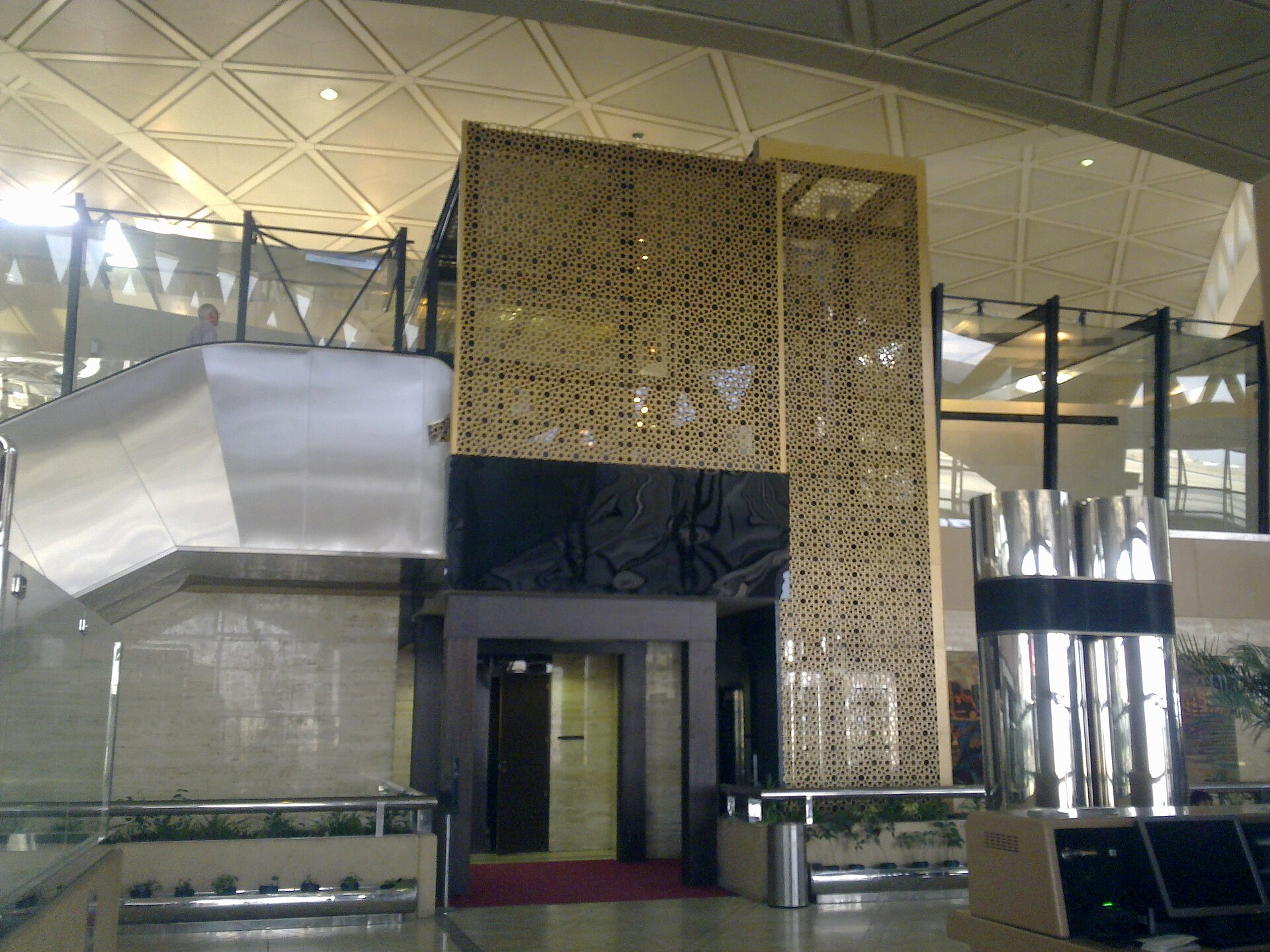
A Sunday strike on King Khalid International Airport sparked a fire in Passenger Hall No 4, hitting the complex that serves domestic terminals 3 and 4. Saudi air defences intercepted a missile near the airport. It was the second strike on the same facility in two days.
The Saturday attack killed 13 people, according to the BBC citing Saudi civil aviation authorities, or 12, per CNBC citing the Saudi Gazette and the General Authority of Civil Aviation. The BBC reported 308 injured, while CNBC put the figure at 309. The discrepancy is likely explained by an Indian man who succumbed to his injuries on Sunday, according to the Indian embassy in Saudi Arabia. The dead included four Saudi nationals, two people from Bangladesh, and one person each from the US, Jordan, Palestine, Syria, Sudan, and Egypt, per the Saudi civil aviation authority. Secretary of State Marco Rubio condemned the attacks and confirmed that a US citizen was killed. The Saturday strike was the deadliest single attack on a Gulf Arab country since the war between Israel, the US, and Iran began in February.
The Houthis claimed responsibility. Their military spokesman, Brig Gen Yahya Saree, said the group had used a mix of ballistic and cruise missiles along with drones in the past 24 hours. Saree said the Houthis also attacked oil facilities and Dammam airport in eastern Saudi Arabia, and he vowed to continue escalating operations deep inside the kingdom. The group renewed its warning to airlines, workers, and travellers against using Saudi airports and airspace, saying they had become a theatre of operations, with the exception of Mecca and Medina. The Houthis said they are targeting Saudi Arabia over its support for government forces in Yemen’s civil war and an airstrike on Sanaa airport.
Colonel Turki Al-Maliki addressed the attacks. The Saudi-led coalition spokesman described the strike as a “war crime” in a post on X and said the coalition would respond decisively in accordance with customary international humanitarian law. The Thursday strike on Riyadh’s airport killed three Saudi nationals, including a pilot. Two other deadly attacks on Saudi airports — one in Abha and one in Riyadh — occurred in the two days prior to Thursday.
Trump weighs US involvement
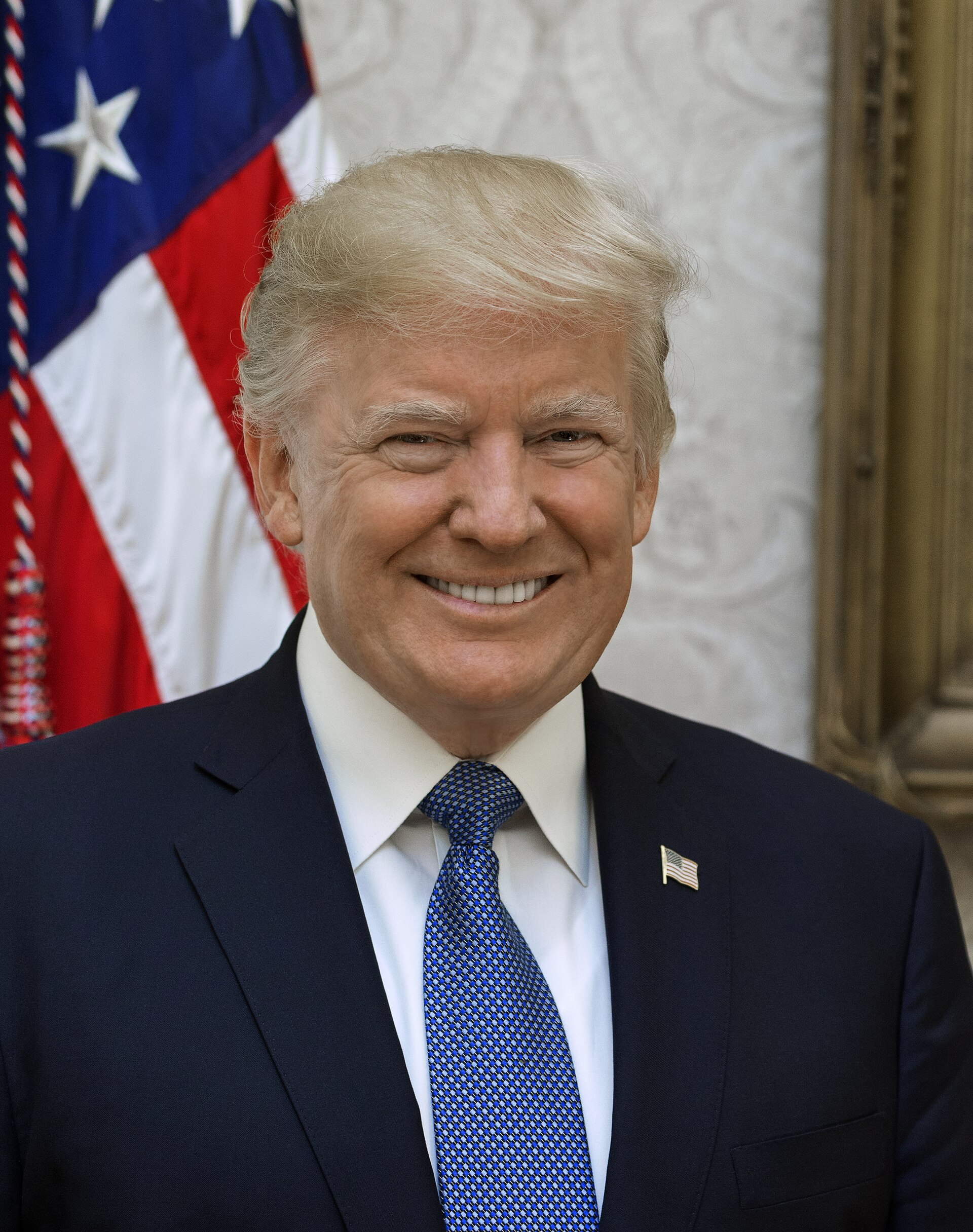
“We just found out about the recent attack. So, we’ll make a decision. We move very quickly,” President Donald Trump told reporters outside the White House on Saturday. Two Saudi government officials told MS NOW that the kingdom is requesting urgent defense support from the US following the attacks. A senior Foreign Ministry official, speaking anonymously because of the matter’s sensitivity, said the US needs to intervene as soon as possible to help the Saudi-led coalition fight the Houthis. Last month, the Trump administration approved the potential $24.3 billion sale of nearly 50 F-35 warplanes to Saudi Arabia, a deal now under congressional review. Potential US involvement would mark the first direct military action against the Houthis since the conclusion of Operation Rough Rider in May 2025, according to the Critical Threats Project at the American Enterprise Institute. Steven Cook of the Council on Foreign Relations wrote that after seven months of war, there are questions about US capacity for a sustained campaign against the Houthis while managing Iran and East Asia contingencies. The White House did not respond to a CNBC request for comment.
UK Defence Secretary Wes Streeting said the UK is examining how to support Saudi Arabia, noting he had spoken with his Saudi counterpart Khalid bin Salman in recent weeks. He said the UK is not getting involved in offensive operations at this stage. He added that there isn’t a military solution to this conflict. Foreign Secretary Ed Miliband said he was appalled. The UK Foreign Office is advising against all travel to parts of Saudi Arabia, including areas within 10km of the border with Yemen.
War reignited
A temporary ceasefire was brokered in 2022. It collapsed in July. The Houthis seized the Yemeni capital Sanaa in 2014, and Saudi Arabia intervened in Yemen’s civil war between the Houthis and the internationally recognized government. The Iran-backed group controls around a quarter of Yemeni territory and as much as 80% of the country’s population. Saudi Arabia fears Houthi control would lead to the establishment of an Iranian satellite state on its southern border. The Houthis have been trying to choke off oil tanker traffic through the Bab el-Mandeb strait, a key entry point to the Red Sea. Energy prices have soared since the Iran war began in February with US and Israeli airstrikes on Iranian targets. The five-day WPC Energy Congress is taking place at a convention center near King Khalid airport on Sunday, with more than 70 ministers and 300 company executives confirmed.
Sources & methods
Reporting based on BBC News and CNBC coverage of the strikes on King Khalid International Airport, statements from Houthi and Saudi-led coalition officials, remarks by President Trump and UK officials, analysis from the Critical Threats Project at the American Enterprise Institute, and commentary from Steven Cook of the Council on Foreign Relations.