Iran denies direct US talks on Strait of Hormuz as Houthis strike Saudi refinery
Tehran says messages are passing through intermediaries, not negotiators, while a Houthi-claimed drone attack on an Aramco facility adds pressure to efforts to secure the vital shipping lane.

Iran’s foreign minister denied on Sunday that Tehran is in direct talks with Washington to end the war and reopen the Strait of Hormuz, contradicting assertions from senior U.S. officials that an agreement was imminent. The denial came as Iran-backed Houthi rebels in Yemen claimed a drone strike on a Saudi Aramco refinery, adding violence to a conflict that has choked traffic through a critical energy corridor.
A brief hiatus in fighting followed a June 17 memorandum of understanding between the U.S. and Iran. Weeks of Iranian drone and missile attacks on shipping in the strait and neighboring Gulf countries followed, along with U.S. counterstrikes on Iranian targets.
Foreign Minister Abbas Araghchi told Iran’s Mehr news agency that his country is not engaging in talks with the U.S. but that “messages are being exchanged through intermediaries.” He said talks with Oman on securing a trade route through the strait do not guarantee the waterway will reopen. “Talks with Oman do not mean the Strait of Hormuz will be reopened,” Araghchi was quoted as saying. “An agreement may be reached, but reopening the strait depends on other conditions conveyed through intermediaries.”
Oman has served as a key interlocutor on the strait, a crucial gateway for about a fifth of the world’s energy supplies. Iran and Oman were close to reaching an agreement on navigation, Araghchi said a day earlier, specifically on determining a transit route. Under that framework, inbound traffic would transit Iranian waters while outbound traffic would go through Omani waters.
Trump administration signals confidence
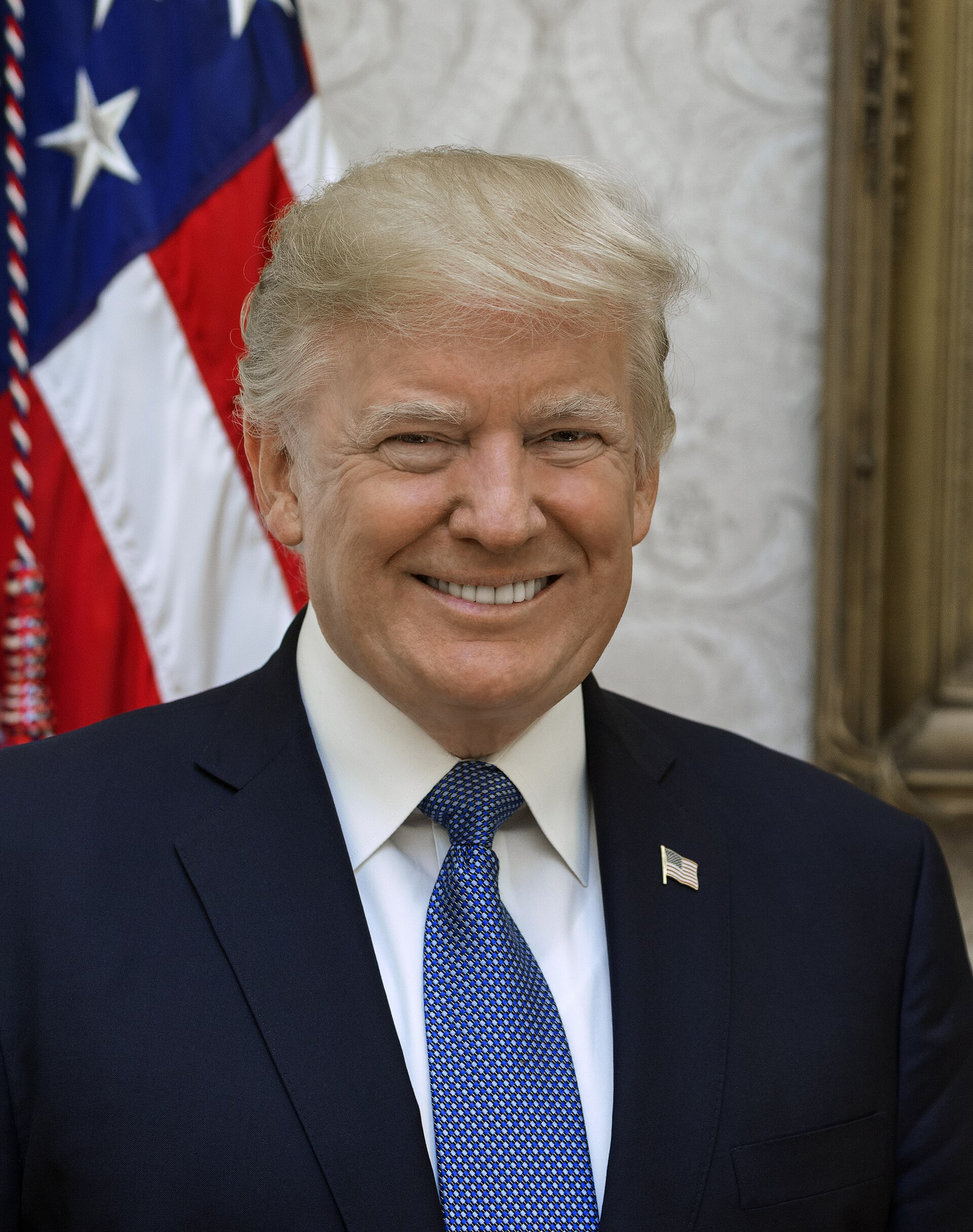
President Donald Trump struck a different tone. In a Sunday interview with Axios, he said Washington is “low keying it” in negotiations with Iran. “We are only semi-negotiating with them,” Trump said. “We are just watching Iran with its huge inflation and the fact they have no money.” “It will work out.” “It always works out.” “It’s like a chess game.”
Treasury Secretary Scott Bessent told CNBC on Tuesday that an agreement to open Hormuz with freedom of movement could come as soon as Wednesday. Trump and Secretary of State Marco Rubio had also indicated that an agreement was imminent. Those predictions now sit against Iran’s insistence that no direct negotiations are underway and that sweeping conditions remain unmet. The standoff over Hormuz is part of a wider regional crisis. Israel has formally rejected a 15-point Gaza peace plan, Al Jazeera reported, while Trump said the U.S. would wait for economic pressure on Iran to mount.
On Saturday, Iran laid out a list of demands for reopening the strait, according to media reports. Mohammad Bagher Zolghadr, secretary of Iran’s Supreme National Security Council, said reopening would require Washington to lift its naval blockade and sanctions, withdraw U.S. military forces from the region, pay war reparations, and release frozen Iranian assets. The council also called for an end to U.S. attacks on Iran’s regional allies and to threats against Iran. CNBC has not independently verified the demands. The White House did not respond to a request for comment.
Houthi strike and market ripples
Firefighters extinguished a blaze at a Saudi Aramco refinery in Jazan early Sunday, Saudi Arabia’s Ministry of Energy said in a statement on X. No one was injured. The statement did not specify what caused the fire. Iran-backed Houthis reportedly said they carried out a drone strike on the facility. Mehr, the Iranian state-backed news agency, said on X that Yemen’s armed forces described the strike as precise and carried out in response to Saudi drone violations of Yemeni airspace. CNBC has not independently verified the claim. The Houthis have claimed responsibility for a number of attacks on the Saudi Aramco facility since the start of the war.
Ship traffic through Hormuz was down 33% on Friday compared to the day prior, with most vessels using the Iranian route, according to the trade intelligence firm Kpler. Oil prices reflected the uncertainty. Brent crude futures, the international benchmark, gained more than one percent to close at $83.55 a barrel. U.S. West Texas Intermediate advanced about one percent to settle at $78.18 per barrel. Prices fell more than seven percent for the week.
Iranian state media published a draft plan Thursday that would restrict traffic through the strait, banning U.S. and Israeli ships from transiting. Other nations that have harmed Iran would not be allowed to transit until compensation is paid, according to the draft, which is under review by Iran’s parliament. The end of a 60-day period agreed under the interim deal to negotiate a final agreement will come in just over a week. According to that June deal, a schedule to end sanctions and a compensation plan would be part of any final agreement, as would negotiations to address frozen assets.
Sources & methods
- Al Jazeera liveblog from August 10, 2026, reporting Trump's comments on economic pressure against Iran and Israel's rejection of a 15-point Gaza peace plan. Archived Aug 10, 2026
- CNBC report from August 9, 2026, detailing Iran's denial of direct U.S. talks, Araghchi's statements via Mehr, Trump's Axios interview, Bessent's CNBC comments, Iran's demands, the Houthi attack on the Aramco refinery in Jazan, oil price movements, and ship traffic data from Kpler. Archived Aug 10, 2026
This article was compiled from two source texts: an Al Jazeera liveblog and a CNBC report. All direct quotes are drawn verbatim from those sources, and unverified claims are attributed to their originating outlets.