Iran offers Washington a roadmap to reopen the Strait of Hormuz and resume nuclear talks
Tehran’s proposal, delivered via Qatar, revives a collapsed June framework and places the onus on the US to respond.
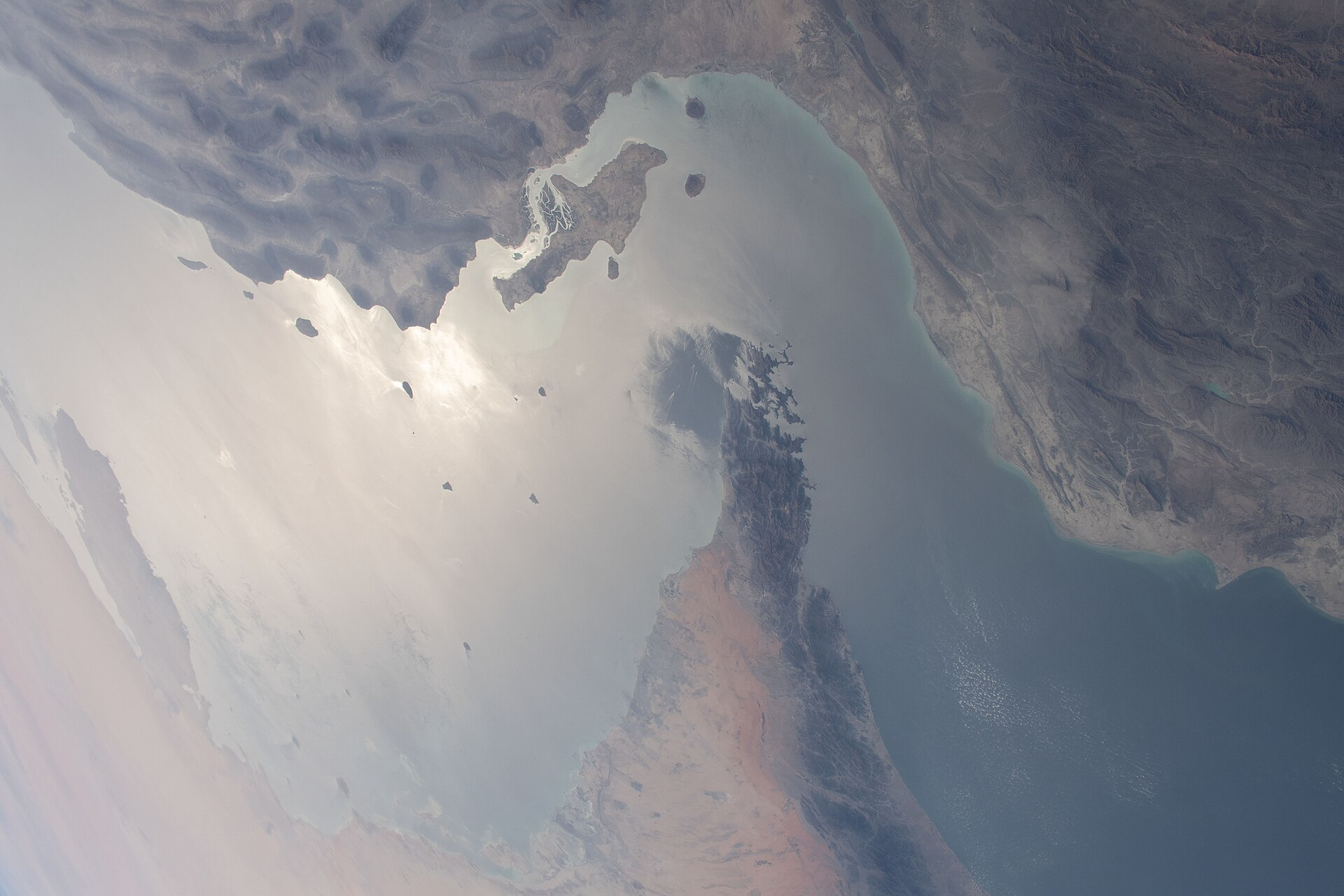
Iran has proposed a seven-day roadmap to reopen the Strait of Hormuz and resume nuclear talks, with the plan delivered to the US via Qatar as Tehran says it awaits Washington’s response to the offer.
Foreign Minister Abbas Araghchi detailed the plan to reporters outside the UN Security Council in New York, where he outlined the conditions Iran has set for de-escalation. He said Iran does not accept coercion, threats, or intimidation, and that Tehran will not surrender its sovereign rights under pressure. Qatar, a key mediator in the conflict, conveyed the proposal to Washington. Qatar’s foreign minister also spoke with Pezeshkian on Friday about de-escalation and conditions for renewed dialogue. “The choice now rests with the United States,” Araghchi said.
Reviving the June framework
The proposal closely mirrors a memorandum of understanding signed between the US and Iran in June, a 14-point agreement designed to bring about a ceasefire and at least partly reopen the Strait of Hormuz. The MOU said Iran would never have a nuclear weapon. It noted that the US, Iran, and their allies would end military operations on “all fronts,” and it contained provisions including the end of a US naval blockade and sanctions relief. The MOU also said Iran would make arrangements for the safe passage of commercial vessels through the strait and hold talks with Oman over future shipping arrangements. The MOU set a 60-day window for talks. It collapsed within weeks. Trump declared the June deal over in July. Araghchi said the actions the US should take are not new and are all already in the MOU.
President Masoud Pezeshkian said the ceasefire process “will begin from the very day they accept it.” In an interview with CBS News, he said the agreement was based on the MOU and that if the United States agrees to proceed, everything will return to the way it was before. Pezeshkian also said Iran would allow UN nuclear inspectors into the country, adding that accords on inspections could be reached within negotiations. He told Fox News that ending the war is up to Washington. “It’s America that must choose whether it wants to end this or not,” he said.
Washington’s posture
A US official said positive and constructive discussions were taking place through mediators, including about nuclear issues. Araghchi met with Trump’s envoy Steve Witkoff on the sidelines of the UN General Assembly on Tuesday. Witkoff said the meeting was “lengthy” and he hoped the talks would “prove constructive and promising.” US State Department spokesman Tommy Pigott told Al Jazeera the door to diplomacy has been open since the beginning. A US official told the BBC the US was “in a very strong position with control of the Strait of Hormuz, so we are not in a rush.”
The Strait under strain
About 20% of the world’s traded oil and gas passed through the Strait of Hormuz before the war, and its closure has caused wild fluctuations in energy prices. Shipping data shows a recent 10-day average of about 18 transits per day, with daily numbers dropping as low as nine vessels, according to Kpler, a commodities data and analytics firm cited by Reuters. The US has maintained a blockade of Iranian ports, causing huge disruption to the Iranian economy. US Central Command said it redirected 122 commercial vessels to ensure strict compliance with the blockade against Iran. Iran has attacked vessels it says attempted to cross the strait without authorisation, and the US has attacked Iranian sites in the strait as well as Iranian tankers off the country’s coast.
Regional pressure and the November clock
Yemen’s Houthis, allied to Iran, have intensified attacks disrupting Saudi oil exports via the Red Sea on the other side of the Arabian peninsula. The Houthis seized large stretches of the Red Sea coast including the port of Mokha this month. Saudi Crown Prince Mohammed bin Salman has requested military support from Trump, per US media. The Saudi-led coalition in Yemen intercepted two ballistic missiles and drones launched by the Houthis towards Saudi Arabia on Saturday. Analysts remain sceptical. “Basically nothing has really changed,” said Cyrus Schayegh of the Geneva Graduate Institute, arguing Iran wants to retain the advantages it gained during the war while Washington resists returning to the June framework. It is unlikely major progress will be made before the US midterm elections in November.
At the UN General Assembly this week, Trump threatened to annihilate the Islamic Republic. Araghchi rejected the threat, saying peace cannot be built through threats of annihilation.
Sources & methods
- BBC News Archived Sep 26, 2026
- Al Jazeera live blog Archived Sep 26, 2026
- Al Jazeera Archived Sep 26, 2026
Reporting based on statements by Iranian Foreign Minister Abbas Araghchi and President Masoud Pezeshkian to reporters and US media, comments by US officials to the BBC, CNN, and Al Jazeera, shipping data from Kpler cited by Reuters, and US Central Command statements.