Iran proposes seven-day roadmap to end US conflict, tying Hormuz reopening to sanctions relief and asset release
Foreign Minister Abbas Araghchi outlined the plan at the UN General Assembly, reviving terms of a collapsed June ceasefire agreement that Washington has previously refused to revisit.
Iran proposed a seven-day roadmap to end its conflict with the United States. Foreign Minister Abbas Araghchi outlined the plan to reporters on the sidelines of the UN General Assembly in New York.
Under the proposal, hostilities would end on all fronts including Gaza and Lebanon within seven days. Washington would release Iran’s frozen assets estimated at no less than $12bn, waive sanctions on Iranian oil, and lift its naval blockade. The Strait of Hormuz would reopen on the final day of the seven-day period, and nuclear talks would restart. Araghchi told reporters that the conditions Iran is asking the US to meet are not new. The plan was passed to Washington via mediators earlier this week. An Iranian security source told Al Jazeera there could be room for further diplomatic engagement if Washington met Iran’s conditions and commitments.
The proposal is based on a June ceasefire MoU brokered by Pakistan and Qatar, signed June 17, setting a 60-day window for negotiations. Trump declared the deal “over” on July 7. The deal expired in August as each side accused the other of violations, though a second account places the collapse in early July. The Trump administration has previously said it will not return to the terms of the June agreement.
“The conditions we have asked the U.S. to meet are nothing new, nothing more than what was already in the Islamabad MOU, which was signed by the U.S. President,” Araghchi said.
An unnamed White House official told CNN the administration was having “positive and constructive discussions through the mediators.” The New York Times quoted an official saying Washington would not rush into a deal. Cyrus Schayegh of the Geneva Graduate Institute said no significant movement toward ending the conflict is likely before US mid-term elections in November. “Basically nothing has really changed,” Schayegh told Al Jazeera, noting that Iran keeps insisting on the June memorandum as key to any roadmap while the US keeps refusing to accept that framework.
Pezeshkian said in a Fox News interview that it is up to America to choose whether it wants to end the war. The war was started by US and Israeli strikes and is nearly seven months old.
Houthi attacks and Saudi response
The Houthis fired missiles and drones at Saudi targets. Saudi authorities said they intercepted six ballistic missiles. Emergency alerts were issued in Mecca, Jeddah and Yanbu. Saudi Arabia, Turkey and Pakistan planned an urgent meeting of their chiefs of staff under the Mecca Joint Defense Agreement. Saudi Arabia’s Grand Mufti told troops to be ready “to lay down their lives” to fight the Houthis until the group is ousted from power.
Pezeshkian has distanced Tehran from Houthi actions, saying the Houthis are responsible for their own actions and that Iran is not at war with Saudi Arabia. The Houthis, he said, “have their own issues.”
Hormuz traffic and oil markets
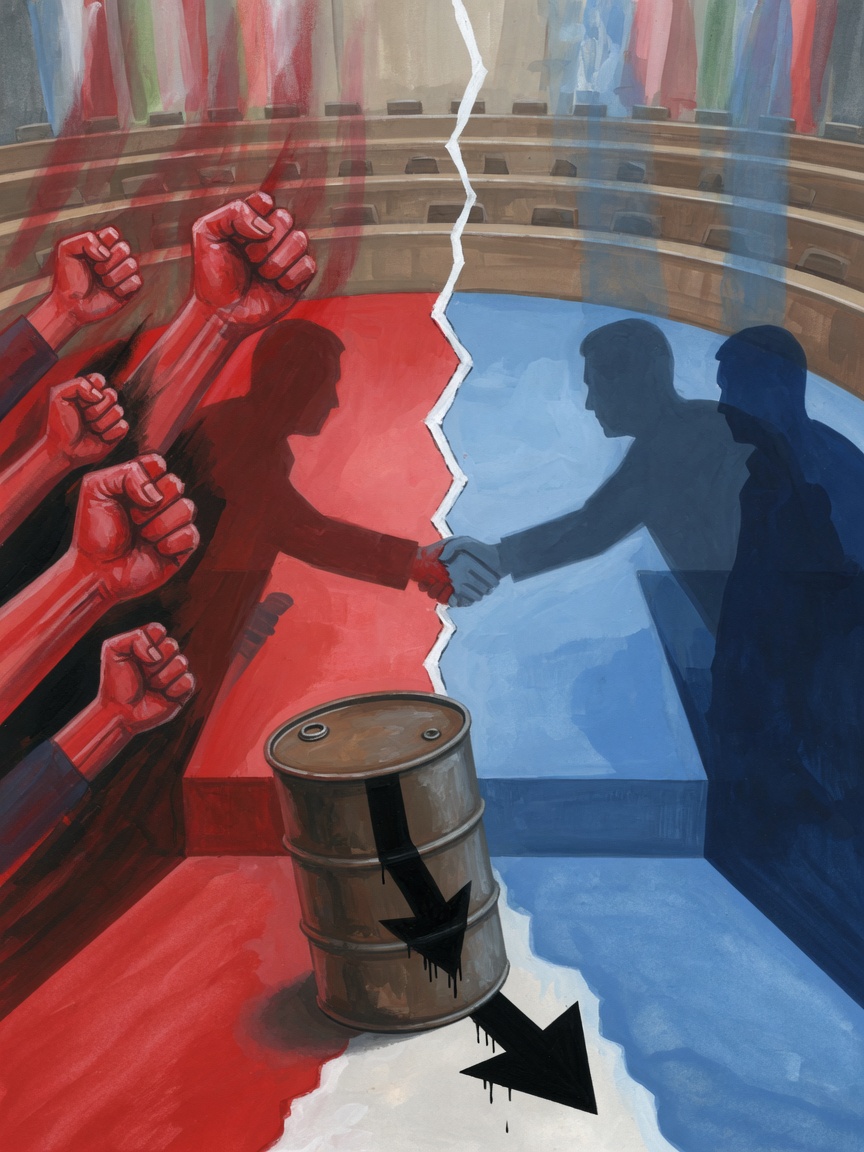
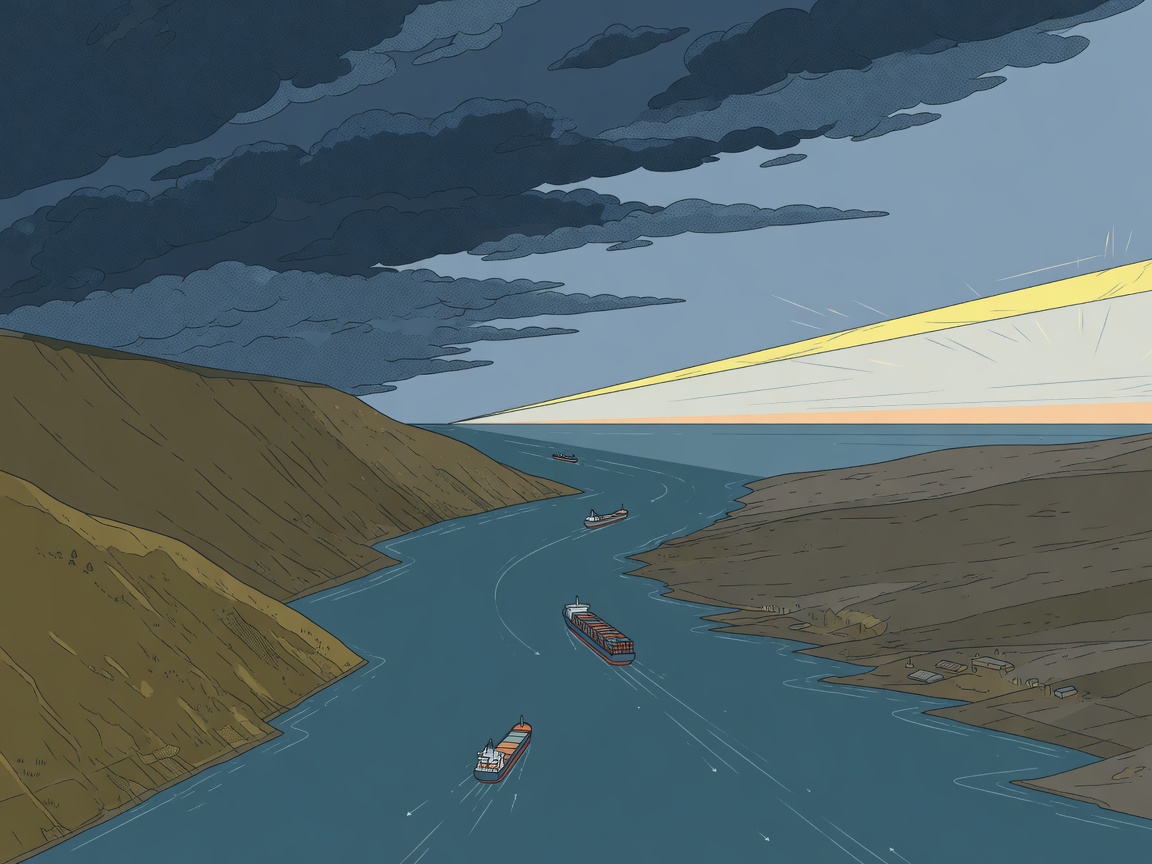
Vessel transits through the Strait of Hormuz fell to nine, far below peacetime levels, per Reuters preliminary ship-tracking data. Brent crude futures with November expiry traded 0.4% lower at $106.22 per barrel. WTI futures with November expiry were down 1% at $93.61.
Trump-Xi summit and China’s role
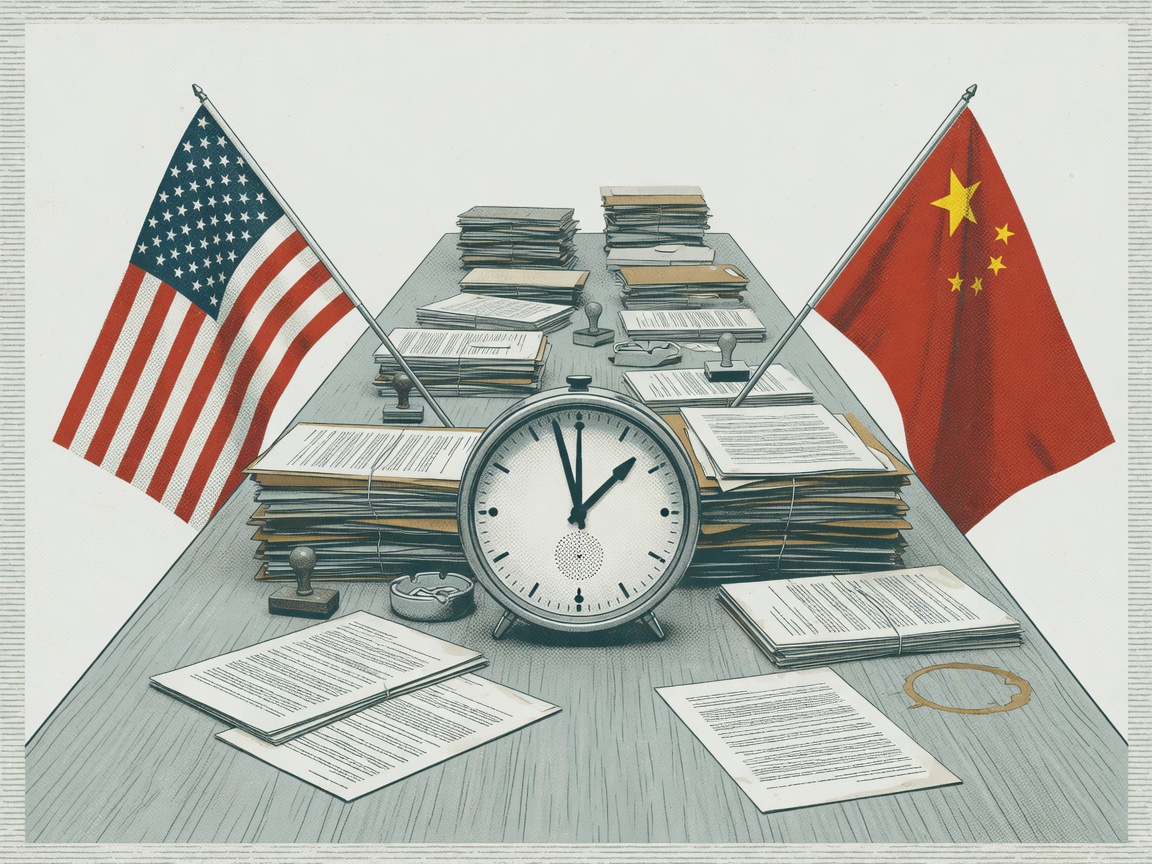
Chinese President Xi Jinping is on a three-day state visit to the US, meeting Trump on trade, AI, Taiwan and Iran. Trump has sought Beijing’s help pressuring Tehran toward a settlement after indirect US-Iran talks resumed on the sidelines of UNGA. Zhai Jun, China’s special envoy for the Middle East, said the Middle East situation was a big issue in the Trump-Xi discussion and their consensus will be critical to cooling the conflict.
Sources & methods
- Al Jazeera, reporting from New York on Araghchi's briefing and the proposal's terms Archived Sep 25, 2026
- CNBC, reporting on the diplomatic maneuvering, oil markets, Houthi attacks, and Trump-Xi summit Archived Sep 25, 2026
This article draws on reporting from Al Jazeera and CNBC, cross-referencing overlapping claims and presenting disputed timelines without reconciliation. Direct quotes are drawn verbatim from the source texts.