Iran’s foreign minister says only negotiation can end conflict after Trump rejects Hormuz deal
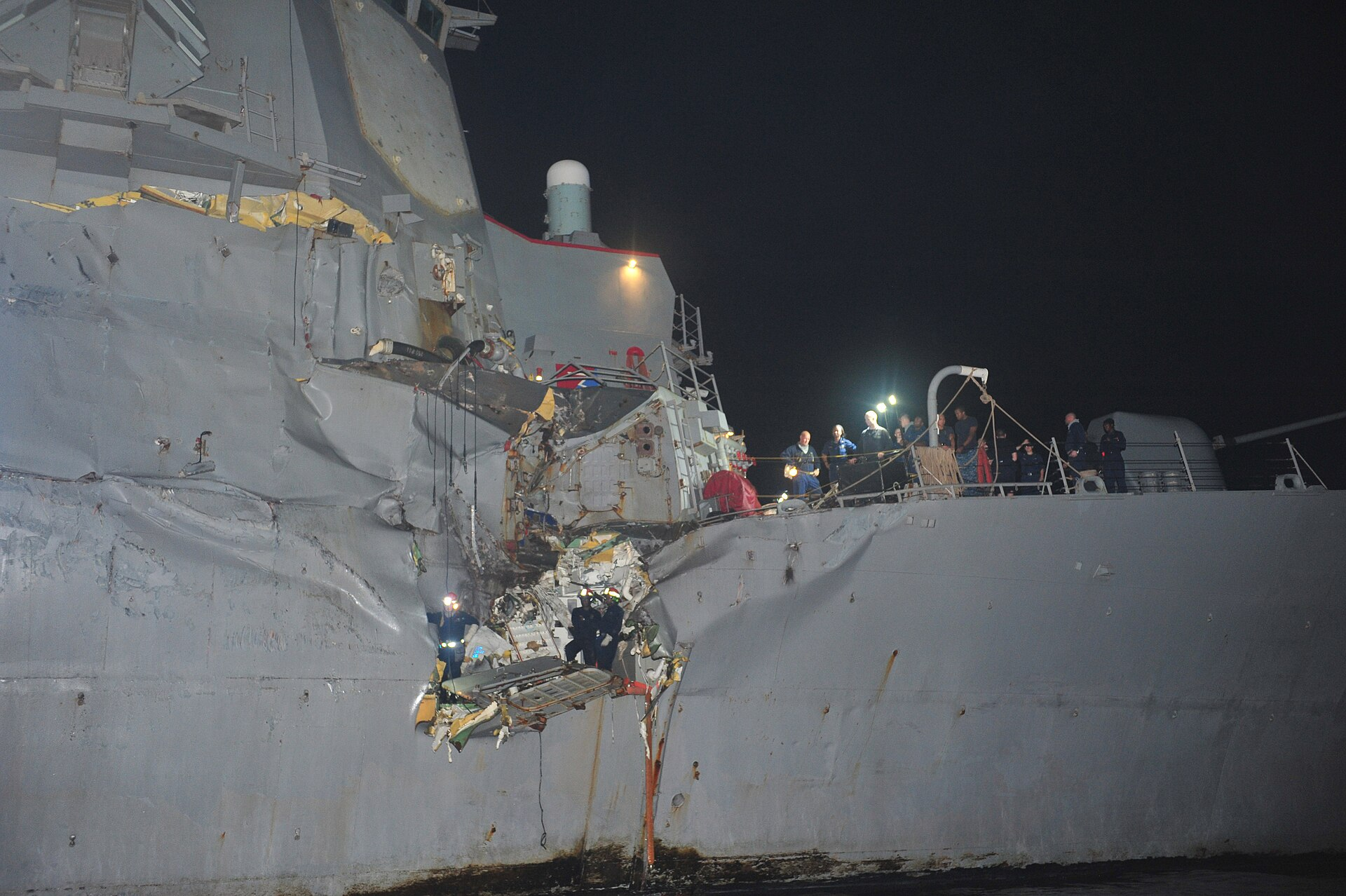
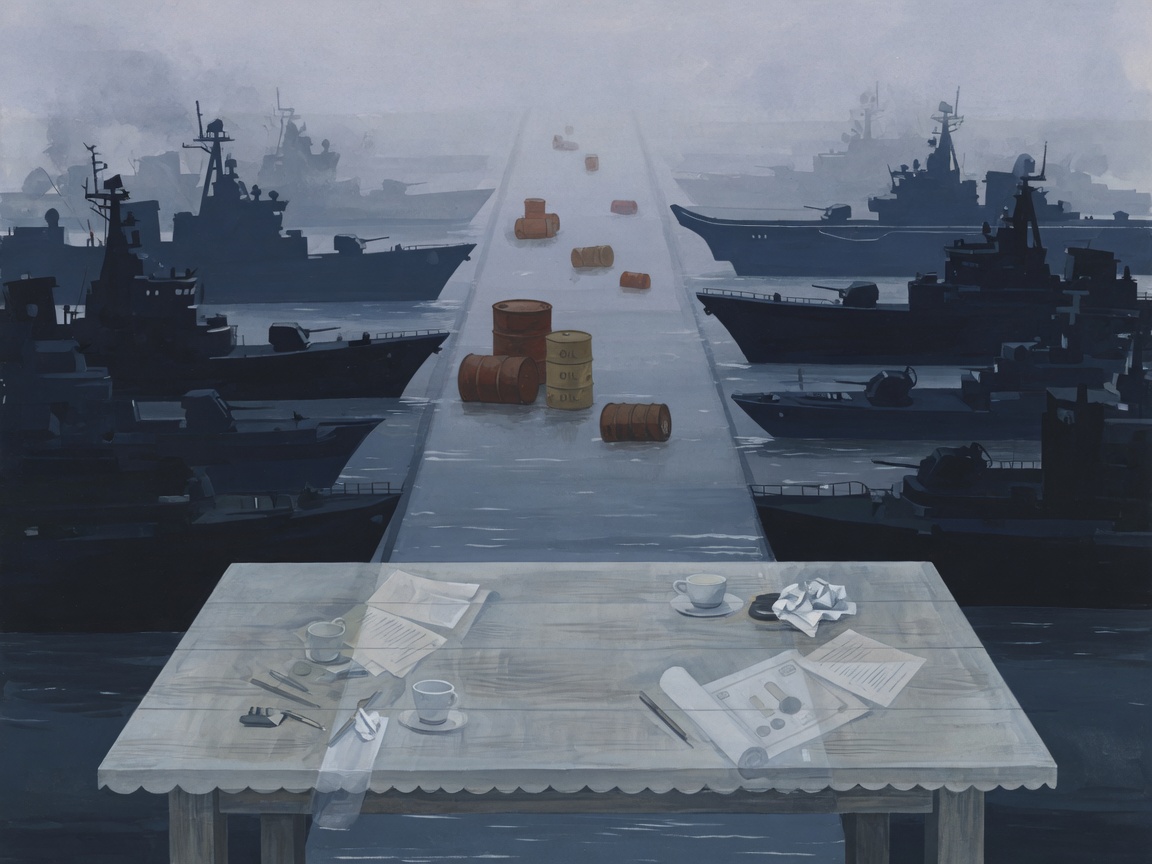
With the Strait of Hormuz effectively closed since February and US warships blockading Iran’s southern ports, Tehran is pushing oil and goods through Caspian Sea ports that handle a tenth of national capacity and are losing navigable depth by the year.
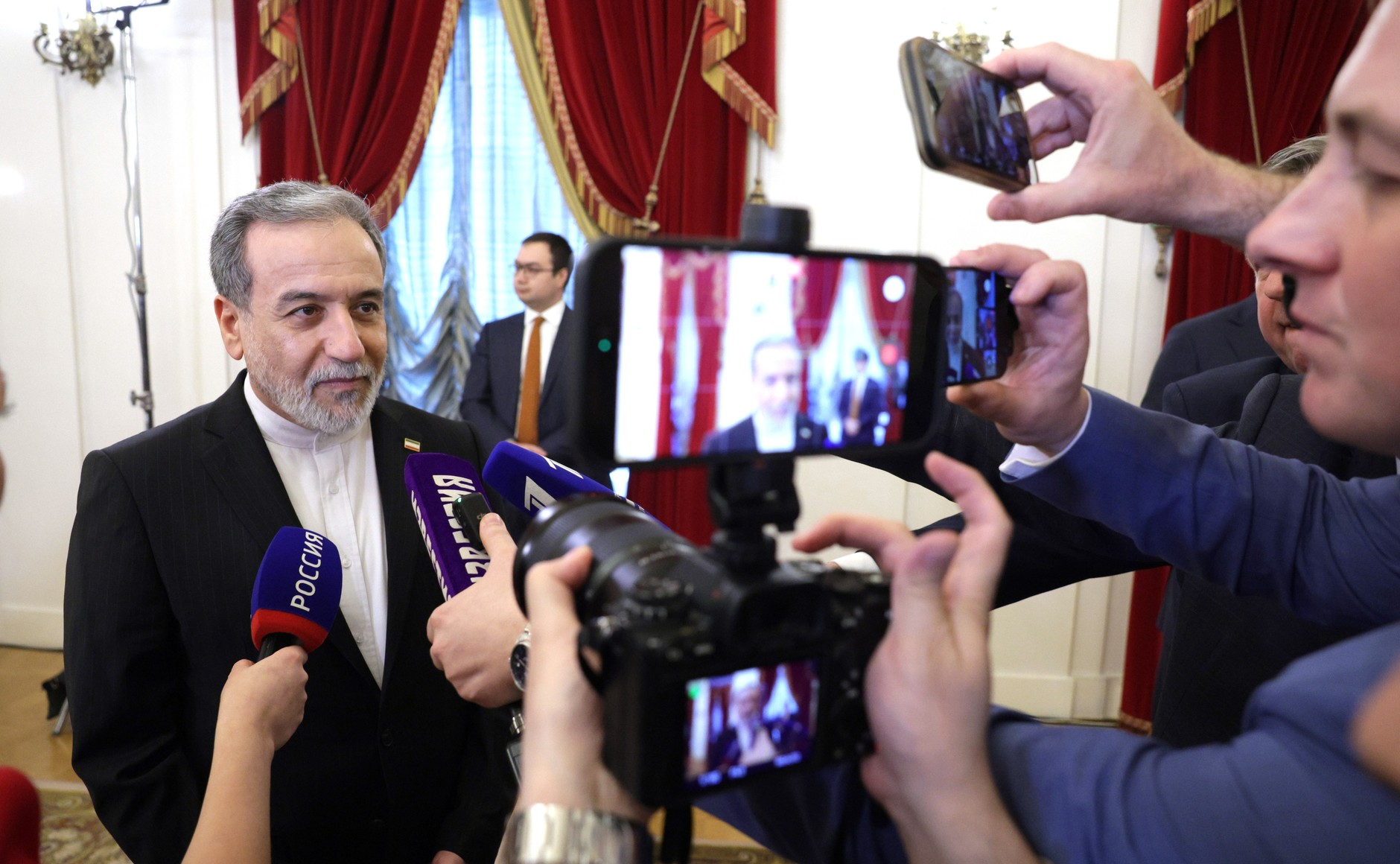
Trump rejected Iran’s proposal to reopen the Strait of Hormuz on Saturday. Iranian Foreign Minister Abbas Araghchi said only a negotiated solution can end the US-Iran conflict.
The Strait of Hormuz, through which around a fifth of the world’s gas and oil supply usually flows, has been effectively closed since war broke out on February 28. Iran raised reopening the strait and ending hostilities during negotiations on the sidelines of the UN General Assembly in New York this past week. Oman has been acting as mediator. Its foreign minister, Sayyid Badr bin Hamad bin Hamood Albusaidi, told the UN General Debate that all parties should cooperate with Oman to safeguard navigation in the strategic waterway.
Trump told reporters at the White House that Iran wanted to open the strait to commercial shipping within seven days because ‘they’re losing so badly.’ Trump said the US already had ‘total control’ of the strait, with ‘massive amounts of oil’ passing through it, causing global oil prices to rise and fuel costs to increase for consumers. US ambassador to NATO Matthew Whitaker backed the rejection on Fox News, saying Iran had offered ‘half measures’ and ‘illusory deals to make themselves look good on the world stage.’ Araghchi wrote on Telegram that Trump ‘has made many good statements, as well as many contradictory ones, which unfortunately we hear frequently.’ He said Iran is waiting for mediators to convey definitive views, and will make a decision based on them.
President Masoud Pezeshkian, who travelled to New York for the UN General Assembly, said Trump ‘tore up’ the June memorandum of understanding when the US resumed its bombing campaign. ‘If we don’t abide by what we have written down, can we really resolve it by dialogue?’ he asked. Pezeshkian told CBS that the distrust created by the war needs to be overcome for talks to succeed. But the US needs to show it does not intend to overthrow the government. Iran’s new Supreme Leader Mojtaba Khamenei was injured in the February strike that killed his father and has not been seen in public since. Pezeshkian said he met the supreme leader on two occasions. He had no specific ongoing health issues. He was well enough to hold seven hours of talks.
The Caspian detour
The US naval blockade of Iran’s southern ports under ‘Operation Economic Outcast’ is forcing Tehran to seek alternatives for exporting oil and importing goods. But the shift is measurable. The northern ports’ share of essential goods transport rose from 18 percent before the war to 30 percent today. Hadi Haghshenas, governor of the northern province of Gilan, said container arrivals at Caspian ports were up 50 percent year-on-year during the five Iranian calendar months ending August 22. Iran’s total nominal port capacity stands at 300 million tonnes, according to Ports and Maritime Organization chief Mohammad Shakibi-Nasab, but only 30 million tonnes of that is linked to northern ports. One vessel in the south could carry the cargo of 20 ships travelling on the Caspian Sea. Haghshenas noted that the northern ports are closer to major cities in central Iran such as Tehran, Isfahan, and Arak, which could help bring down land transport costs.
The Caspian is losing depth. UN Environment Programme Executive Director Inger Andersen said in April that Caspian water levels had dropped about 2 metres since the 1990s. Levels are projected to recede an additional 8 to 21 metres by the end of the century. Shahram Fadakar, director general of the Iranian Department of Environment’s Office for Coastal and Marine Protection, said levels have been dropping by more than 20cm annually over the past two to three years. Masoud Polmeh, secretary-general of the Shipping Association of Iran, said the northern ports could once handle vessels weighing up to 6,000 tonnes but can now handle only 4,000-tonne vessels due to reduced water levels. Iranian ships entering the Caspian via Russia’s Volga River have become stuck for days and weeks before crews are rescued. ‘Fortunately, that hasn’t happened in our ports,’ Polmeh said.
On land, the strain is visible. As many as 1,800 trucks queue at the Norduz border crossing with Armenia for several days at a time, and wait times at other terminals range from 10 to 15 days to enter Iran. Iran’s rail freight connections with the South Caucasus have been severed since the First Nagorno-Karabakh War from 1988 to 1994. The government is trying to complete missing sections of the Rasht-Astara railway with Russia. Treasury Secretary Scott Bessent said Turkey, Oman, and the UAE had halted flights from various Iranian airlines, and some banks in the UAE and Turkey had stopped transactions with Iran. China remains the biggest buyer of Iranian oil. It has ignored previous US sanctions. US media have reported that Russia sent drone components and explosives to Iran via the Caspian Sea. In July, Ukraine attacked what Tehran said was an Iranian fishing vessel in the Caspian, killing one civilian.
Sources & methods
- BBC News, reporting on Trump's rejection of Iran's Hormuz proposal and diplomatic responses from Iranian officials Archived Sep 27, 2026
- Al Jazeera, reporting on Iran's shift of trade to Caspian Sea ports and the environmental and logistical challenges involved Archived Sep 27, 2026
This article draws on reporting from BBC News and Al Jazeera, including statements by Iranian and US officials, interviews with Iranian port and environmental authorities, and data from the UN Environment Programme.