Iran’s IRGC strikes US radar facility in Bahrain for second time in three days as Strait of Hormuz standoff persists
Bahrain’s military said it intercepted and destroyed the drone attacks before they could achieve their objectives, amid a collapsed diplomatic track and a US president who says he is no longer interested in a deal.
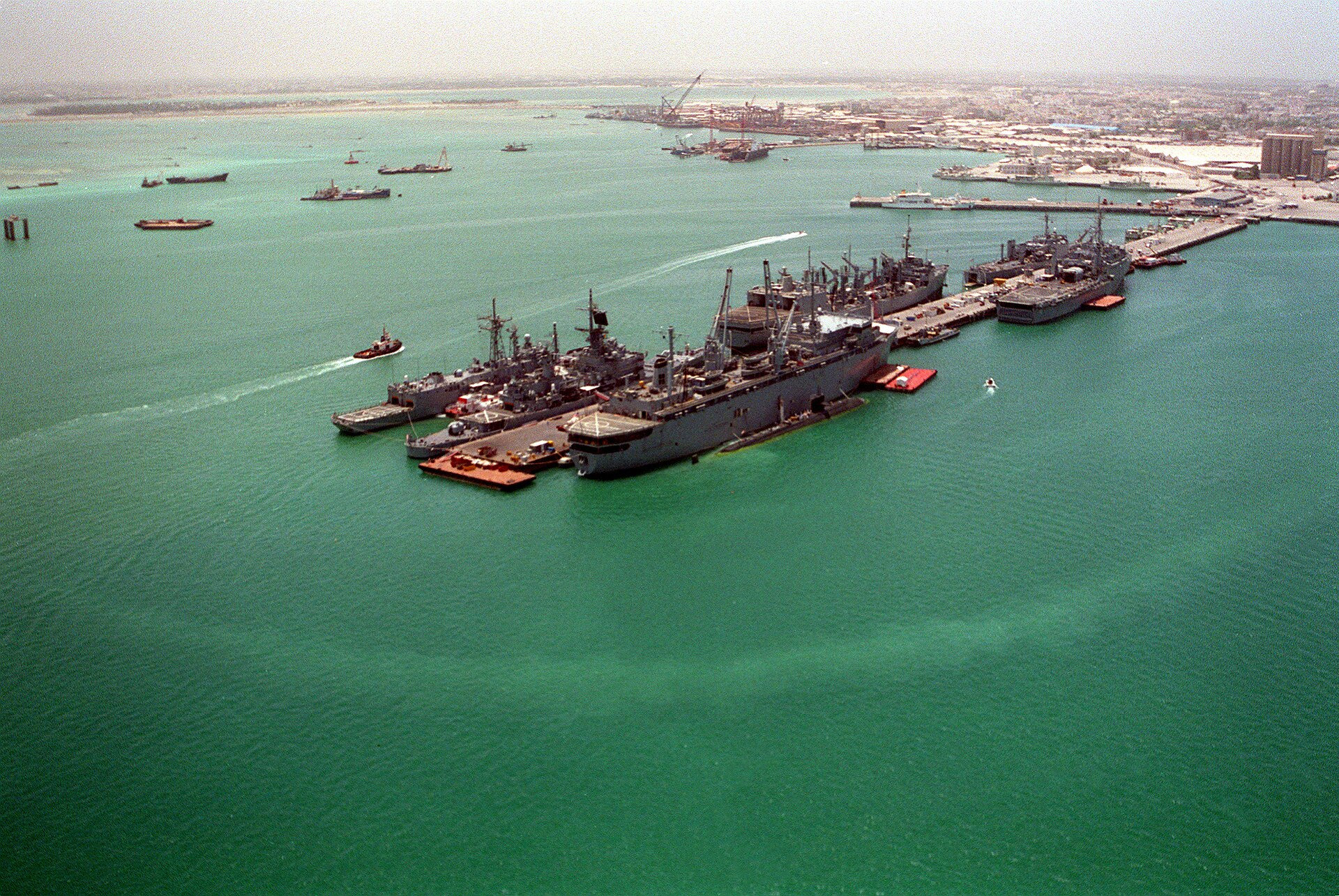
Iran’s Islamic Revolutionary Guard Corps launched a drone attack on the US air defence radar facility at al-Riffa Air Base in Bahrain on Sunday, its second strike on the facility in three days. Bahrain’s military said its air defence systems intercepted and destroyed the Iranian air attacks before they could achieve their objectives.
The IRGC said it used six drones in the Sunday attack. As sirens sounded across Bahrain, the interior ministry called on citizens to head to their nearest safe location. The facility at Riffa Air Base is used by the US military.
The IRGC had claimed on Friday that it launched an attack on a US early warning radar facility in Bahrain and destroyed it, marking Iran’s first attack against Gulf countries since September. The US military denied the claim, stating that the IRGC launched two one-way attack drones towards Bahrain and both were shot down by US forces, with no injuries or damage. Bahrain said it intercepted two drones on Friday.
Iran defends strikes as defensive
Iran’s Foreign Ministry defended the attacks on countries cooperating with the US as justified under international law. Foreign Ministry spokesman Esmaeil Baghaei said the role of regional countries in helping the US attack Iran has been documented, and that Tehran would follow up on the issue seriously. He said missiles, drones, and aircraft launched from military bases in neighbouring countries, along with logistical support provided to US forces, were proof of these nations’ involvement. Baghaei argued that Iran’s attacks are purely defensive and targeted only US military bases and assets used to attack Iran, and that no action has been taken against the sovereignty of these countries. In a statement on the strikes shared by Iran’s state broadcaster on Telegram, the IRGC said: “The Strait of Hormuz is closed, and any aggression by the American enemy will be met with an even harsher and more forceful response.”
Bahrain’s foreign ministry condemned the attacks and held Iran fully responsible for their consequences, saying it rejects the use of its territory to settle accounts. Jordan’s Ministry of Foreign Affairs condemned Iran’s attacks as a flagrant violation of Bahrain’s sovereignty. Egypt’s Ministry of Foreign Affairs said it categorically rejects attacks threatening the region’s stability, adding that the security of Bahrain and the Gulf states is closely linked to Egyptian national security.
Strait of Hormuz standoff
The US and Iran are locked in a stand-off over the Strait of Hormuz, through which about a fifth of the world’s gas and oil supply usually flows, but shipping has been restricted since the outbreak of war in February. Iran insists it should control the strait and has been attacking what it calls unauthorised traffic, while the US military is providing protection for tankers shuttling oil through the strait. The US carried out limited, defensive strikes on Iran’s Qeshm Island earlier in the week in response to the IRGC firing on a US aircraft. The IRGC said it shot down two US MQM-170 drones south of Qeshm Island and a US MQ-9 drone east of the Strait.
The US and Iran reached a preliminary agreement to end the war and reopen the strait in June, but it collapsed within weeks after Iranian attacks on shipping resumed and the US reinstated a naval blockade of Iranian ports. Iranian negotiators had been discussing with mediators a proposal to reopen the strait within two days if the US meets seven conditions, reportedly including lifting the naval blockade and releasing frozen Iranian assets. Donald Trump said the US was no longer interested in a deal to end the war with Iran and ordered Vice-President JD Vance to focus on domestic US politics.
Sources & methods
- BBC News, reporting on IRGC drone attacks on US facilities in Bahrain and the Strait of Hormuz standoff
- Al Jazeera, reporting on Bahrain's accusation that Iran attacked its territory and Iran's Foreign Ministry defense of the strikes Archived Nov 15, 2026
This report draws on two published accounts, one from BBC News and one from Al Jazeera, covering the IRGC drone strikes on Bahrain, regional diplomatic reactions, and the broader US-Iran standoff over the Strait of Hormuz. Where the two sources disagree, both readings are attributed to their respective parties.