Israel rejects Trump’s 15-point plan for Gaza, with Netanyahu insisting on Hamas disarmament before any withdrawal
The Israeli prime minister told a cabinet meeting that no military pull-out will happen until Hamas is “genuinely disarmed,” further complicating the US-led peace framework.
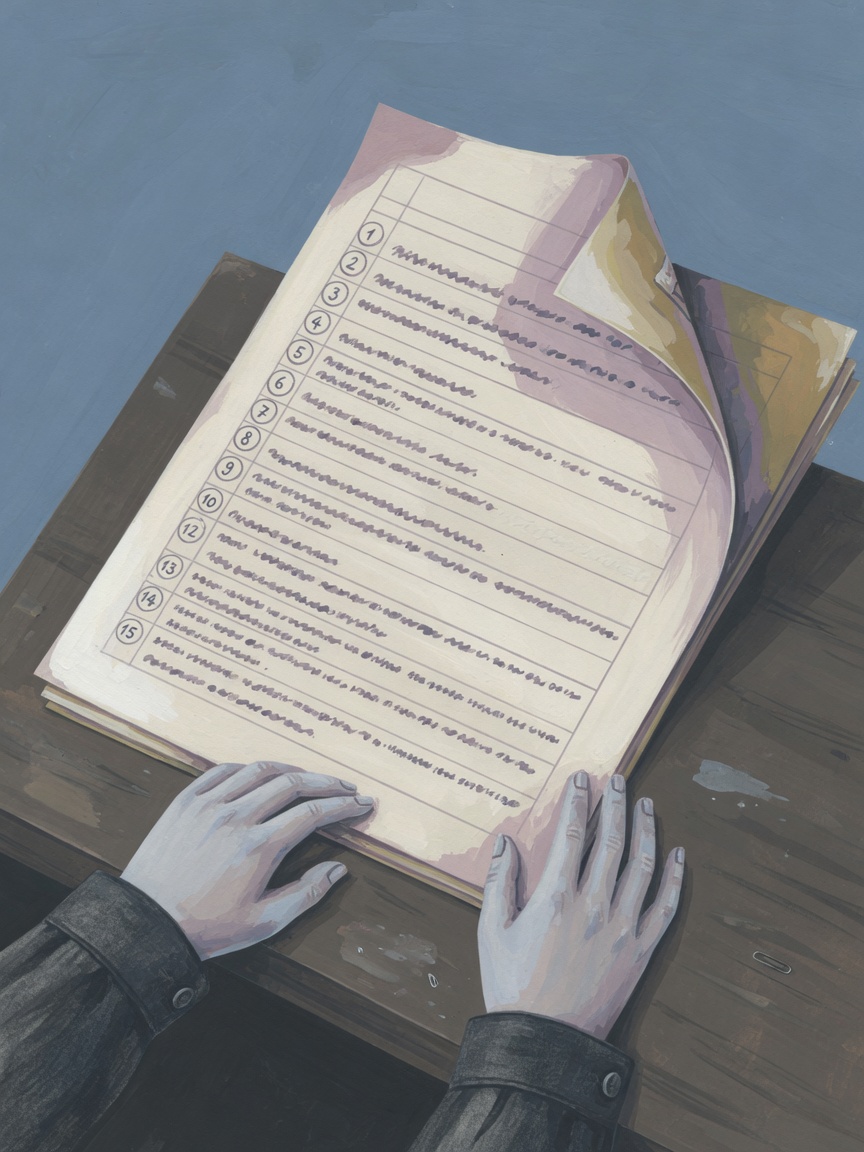
Israeli Prime Minister Benjamin Netanyahu has rejected US President Donald Trump’s 15-point plan for Gaza, declaring at a cabinet meeting on Sunday that Israeli forces will not withdraw until Hamas is “genuinely disarmed.”
The rejection deals another blow to the US-led peace framework, which was announced last year and aimed to secure Hamas disarmament, an Israeli military withdrawal, and the reconstruction of Gaza through a phased, conditional roadmap overseen by a newly created Board of Peace.
“Israel rejects the 15-point document,” Netanyahu said. He added that the Israeli military “will not carry out any withdrawal until Hamas is genuinely disarmed and will continue to thwart threats against our forces and our citizens.”
What the plan proposed
On July 30, the US-led Board of Peace proposed a 15-point roadmap for Gaza. The plan mandated that Hamas disarm in exchange for a full Israeli military withdrawal and the transition of governance to an independent Palestinian National Committee, supported by an international security force. The Board of Peace was created by Trump in October, with him serving as its lifetime chair, and is led by the US government. United Nations Security Council Resolution 2803 designates it the body responsible for overseeing the Gaza peace plan. Trump late last month announced a breakthrough, saying Hamas and other armed groups in Gaza had accepted a phased plan to surrender weapons to a new Palestinian governing body while Israel would pull out troops in tandem with disarmament.
Hamas has conditioned its compliance on Israel ending what it called “all forms of aggression” and withdrawing its forces from Gaza. The Board of Peace earlier this week said an Israeli withdrawal from Gaza will only take place after the disarmament of Hamas is complete. A Hamas official told the BBC on Sunday that the group “reaffirms it commitment” to the agreement and was ready “to engage seriously and responsibly in implementing” the 15-point plan. They called on mediators to ensure “that all parties comply with what has been agreed.”
Netanyahu’s political position
Netanyahu said he was in discussion with US officials about how to go forward. “They have ideas; some of them are acceptable to us and some are not, and we know how to stand our ground on these matters,” he said. He insisted that Hamas must give up all of its weapons. “We are talking about real disarmament, not fictitious disarmament,” Netanyahu said.
Netanyahu is expected to face a tough national election in October this year, with successive surveys showing he is on course to lose, and he is under pressure from members of his right-wing coalition to take a hard stance on Gaza. National Security Minister Itamar Ben Gvir dismissed the draft as “not acceptable.” Far-right parts of the coalition have called for a new cabinet vote to end the Gaza plan entirely. The BBC reported that Netanyahu has taken some time to make his rejection, reflecting the difficult position he is in, as he is unhappy with Trump’s plan but will not want to upset his closest ally.
Al Jazeera’s Nour Odeh, reporting from the occupied West Bank, said the discussions around the 15-point plan “are extremely controversial for the [Netanyahu-led] right-wing government.” She added that Netanyahu, so close to elections, has hit the reset button, saying none of that will happen under his watch. “This is extremely problematic for the Board of Peace and the mediators who have been working for months now to try to find a way to carry out the disarmament of Hamas and have Israel commit to a phased withdrawal from Gaza,” she said.
Israeli analyst Dan Perry told Al Jazeera that Netanyahu’s move is “misaligned with what the people in Israel would generally want, if they understood correctly what’s going on.” Alon Pinkas, a former Israeli diplomat, said Netanyahu needs “a forever war.” Political analyst Xavier Abu Eid, a former adviser to the Palestinian negotiations team, told Al Jazeera that the plan was “more about meeting Israeli interests than the Palestinian right to self-determination.” He added that Trump is unlikely to be happy with Netanyahu’s rejection but has never pretended to push accountability measures for Netanyahu violating even their own agreements.
Gaza residents expected the rejection. Al Jazeera’s Hani Mahmoud, reporting from Gaza City, said most people “expected” Israel to reject the proposal. “The only concern that people have right now is that this is translating into greater uncertainty,” he said. He noted that important elements of the plan included Israeli withdrawal from areas across Gaza known as the “Yellow Line,” the disarmament of Hamas, and the entry of international stabilisation forces. The full rejection puts the sequencing of those steps into serious question and means no clear end to hostilities.
The war was triggered by the Hamas-led attack on southern Israel on 7 October 2023, in which about 1,200 people were killed and 251 others were taken hostage. Israel responded with a military campaign in Gaza during which more than 73,300 people have been killed, according to the territory’s health ministry, whose figures are considered reliable by the United Nations. Since agreeing to a US-mediated ceasefire with Hamas in October 2025, Israel has continued to carry out strikes on Gaza, killing more than 1,200 Palestinians, according to the Gaza Health Ministry. About 1.9 million people, 90% of Gaza’s population, have been displaced since the war began.
Sources & methods
- BBC News article reporting Netanyahu's rejection of Trump's 15-point plan, Hamas's response, and background on the conflict Archived Aug 9, 2026
- Al Jazeera article providing details of the 15-point plan, reactions from analysts and Gaza-based reporters, and casualty figures Archived Aug 9, 2026
This article was compiled from reporting by BBC News and Al Jazeera, drawing on statements from Israeli and Hamas officials, on-the-ground reporting from Gaza and the West Bank, and analyst commentary.