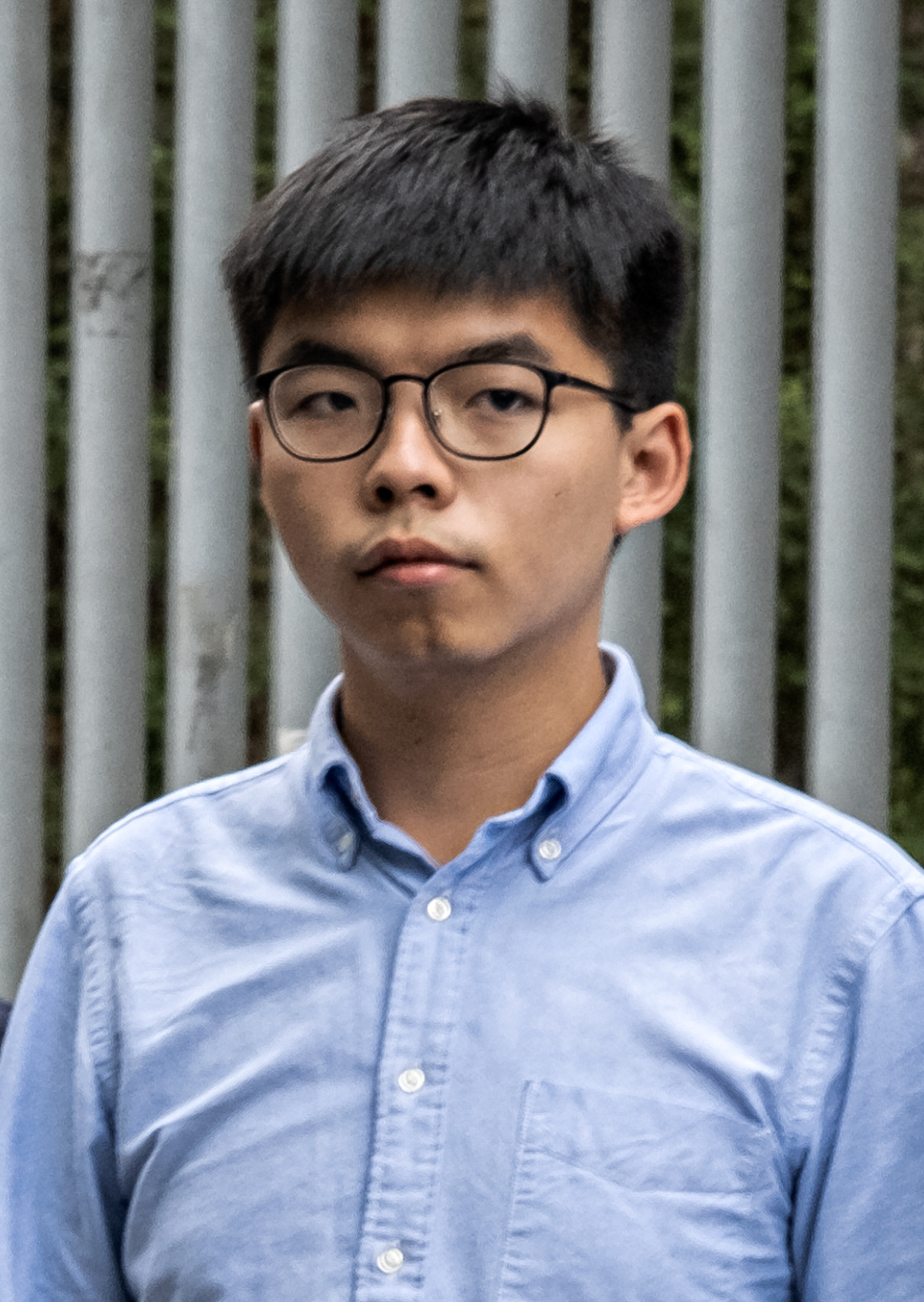
Joshua Wong sentenced to 10 years under Hong Kong’s national security law, becoming the only activist prosecuted twice under the legislation
The sentence stacks a foreign-collusion term on top of the subversion sentence Wong is already serving, making him the only activist in Hong Kong prosecuted twice under the national security law.
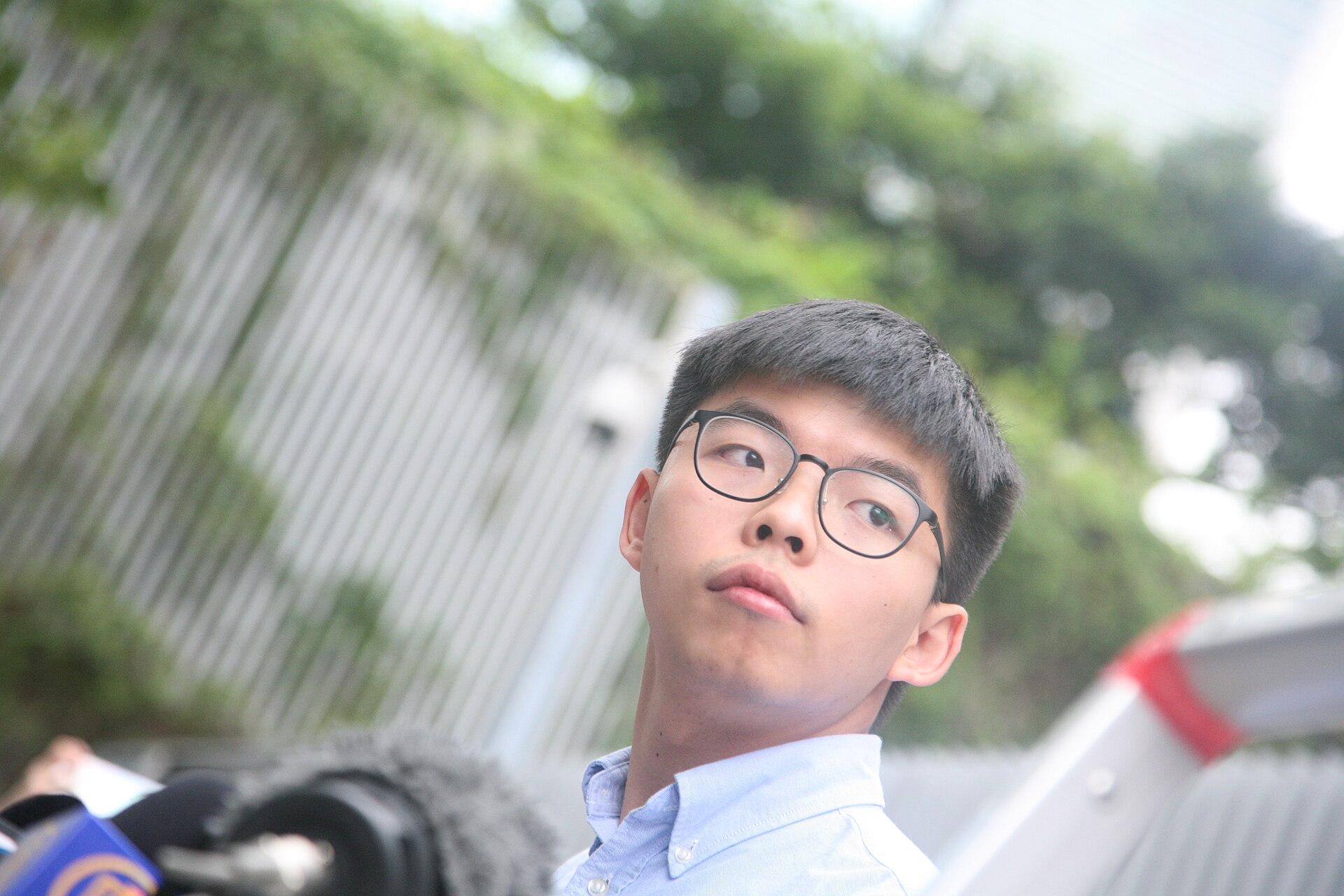
Joshua Wong was sentenced to 10 years in prison under Hong Kong’s national security law on Thursday, making the 30-year-old the only activist in the city prosecuted twice under the sweeping legislation.
Wong pleaded guilty in September to colluding with foreign forces. Prosecutors accused him of working with self-exiled activist Nathan Law to lobby for foreign sanctions and blockades against China. The court heard that these activities took place between July and late November 2020. Wong and Law had co-founded Demosisto, a now-defunct pro-democracy political party. Two months and two days of the 10-year term will be served concurrently with Wong’s ongoing sentence, the judge said.
Wong wore a dark blue shirt. He nodded in greeting towards supporters in the packed public gallery. Dozens of people had queued for hours outside the court building amid a heavy police presence, and a group of international diplomats was present for the hearing. High court judge William Tam described Wong’s actions as “grave in nature” and part of a “scheme” to collude with foreign governments. Tam said Wong had visited the US to seek foreign interference before the national security law’s introduction and continued sharing social media posts by Law calling for sanctions after it was enacted. Wong’s role, Tam said, was to “supply his underground support” and “arouse the attention of foreign countries to bolster the cause.”
Law, who is based overseas, said in a statement after the ruling: “It’s incredibly sad to see my friend Joshua Wong suffer another sentencing over his peaceful advocacy work for Hong Kong’s democracy. The signal the sentencing sent to the world is that [China] is determined to quash any hopes for freedom and democracy on its soil.”
Stacked sentences under the security law
Wong is already serving a prison term of four years and eight months for conspiracy to commit subversion, imposed in November 2024 for his role in an unofficial primary election. He has spent nearly six years in detention and had been due to be released in January 2027. Beijing introduced the NSL in 2020.
A decade of activism
Wong rose to prominence during the 2014 Umbrella Movement, the civil disobedience campaign that paralysed Hong Kong’s financial centre and galvanised a generation of young protesters. In October 2014, he appeared on the cover of Time magazine under the headline “The face of protest.” When protests erupted over a proposed extradition bill, Wong was serving a prison sentence for his role in the 2014 demonstrations. He was released at the height of the unrest and immediately took to the streets.
International condemnation
The US consulate in Hong Kong strongly condemned the sentence and called for Wong’s immediate release, saying Beijing “will go to extraordinary lengths to silence those who advocate for fundamental freedoms.” The UK government called the sentencing “a clear example of how the National Security Law is being used to target individuals for political expression and participation.” Amnesty International’s deputy regional director, Sarah Brooks, said the sentence is “another grim reminder of how Hong Kong’s national security law has become a tool to punish dissent rather than to genuinely protect national security.” Human Rights Watch described the sentence as “cruel and unjust.” China’s foreign ministry spokesperson Guo Jiakun warned against “irresponsible” remarks on Hong Kong’s judicial affairs. Chief executive John Lee said Wong and Law were “among the primary culprits responsible for undermining Hong Kong’s prosperity and stability.”
Sources & methods
Reporting based on court proceedings and official statements, corroborated across two sources.