Last US and UK troops leave Iraq as anti-Islamic State mission ends, with Baghdad claiming sovereignty and a retired general warning of openings for Iran and ISIS
Iraq is marking the withdrawal as a restoration of sovereignty, but retired Lt. Gen. H.R. McMaster says the timing could embolden Iran and leave Iraq vulnerable to an ISIS resurgence.
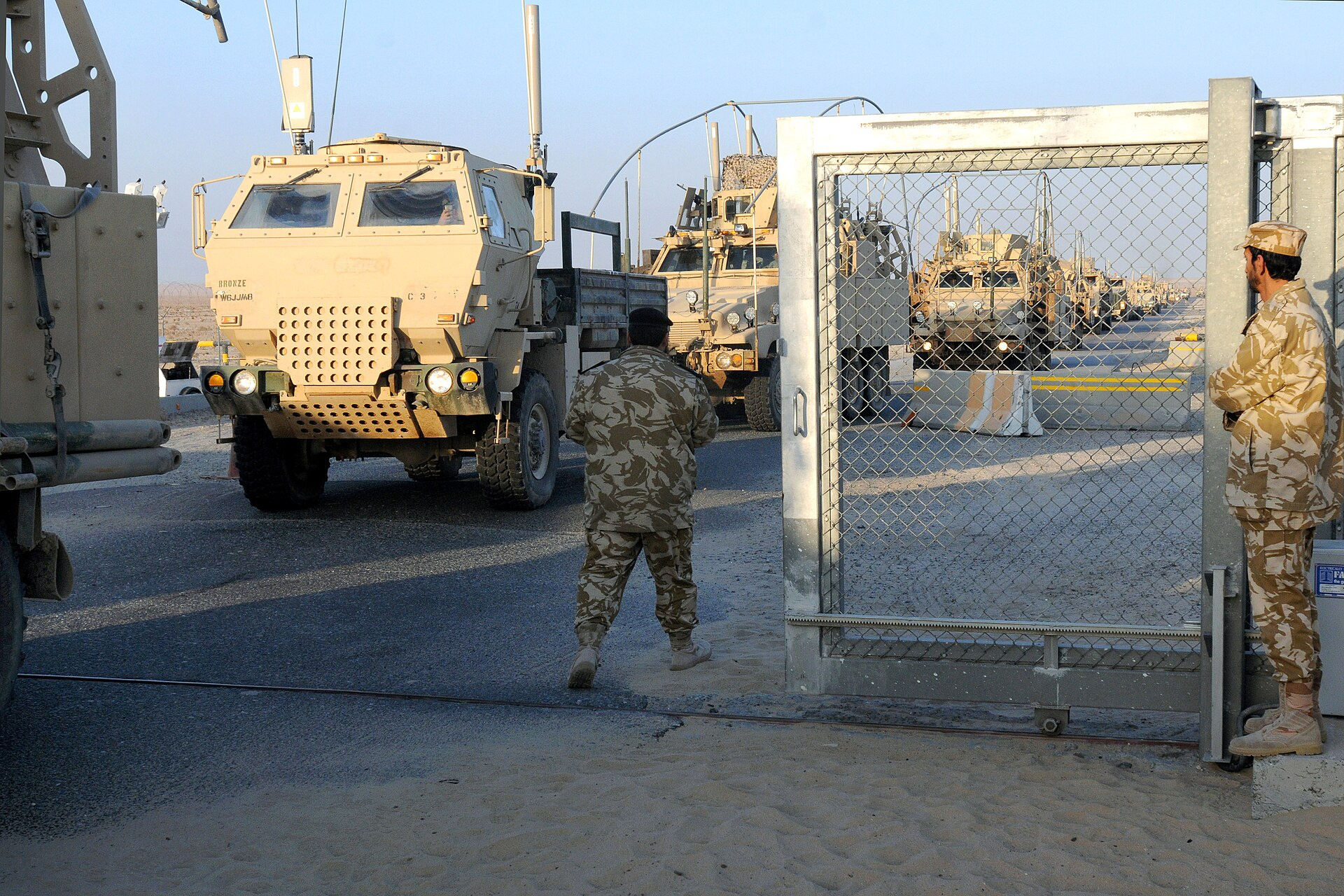
The last US and UK troops left Iraq on Wednesday, closing out a military presence of more than a decade.
Iraq is marking the withdrawal as a restoration of sovereignty, declaring a national holiday to celebrate the end of the foreign coalition mission. But retired Lt. Gen. H.R. McMaster, who commanded US troops in Iraq, warns the timing could strengthen Iran and leave the country vulnerable to a resurgence of ISIS.
A coordinated exit
Around 100 remaining UK military personnel departed from Irbil, in the northern Kurdistan region, coordinated with US forces over recent weeks. The withdrawal follows an agreement signed two years ago between the US and the Iraqi government to pull foreign troops out by the end of this month. The mission was known as Operation Inherent Resolve. US and UK forces have been present in Iraq since 2014 as part of the international coalition against the Islamic State group.
Sovereignty claimed
Iraq is set to hold four Sovereignty Days as a national holiday to mark the withdrawal. Prime Minister Ali al-Zaidi said the end of the coalition’s mission marked “Iraq’s transition to a phase in which it assumes full responsibility for its security and stability.” Al-Zaidi took office in May and has vowed to disarm Iranian-backed militias and bring all weapons under state control following the coalition’s exit. Those militias remain a threat to Iraqi sovereignty, and several powerful factions have resisted his plans, potentially seeing their influence grow without a US presence. The Iraqi government declared the military defeat of IS in 2017, though coalition forces stayed on to help prevent a resurgence. A recent UN report assessed that sustained counter-terrorism pressure by Iraqi security forces had left IS with several hundred fighters in Iraq who were able to carry out unsophisticated operations only. The UK Ministry of Defence said Iraqi Security Forces and the Kurdish Peshmerga “have secured the enduring territorial defeat of Daesh in Iraq and are now well placed to take primary responsibility for the country’s security.” Pentagon spokesman Sean Parnell called the departure from Irbil “the successful conclusion of the military mission that defeated [IS] in Iraq,” adding that “the primary responsibility for addressing Iraq’s remaining security challenges, including [IS] remnants and Iran-aligned militias that undermine Iraqi sovereignty and regional stability, now rests with the government of Iraq.”
Not the right time
McMaster disagrees with the claim that IS has been enduringly defeated. “This is going to embolden, I think, the Iranians to a certain extent, and it’s not clear that there has been the enduring defeat of ISIS,” he told NPR’s Morning Edition. He had a simpler verdict on the timing: “I think it’s not the right time.” McMaster served 34 years in the Army and became President Trump’s national security adviser during his first term. In 2005, he commanded the 3rd Armored Cavalry Regiment during a counterinsurgency campaign against al-Qaida in Tal Afar, a city in northwestern Iraq near the Syrian border. He is now a senior fellow at Stanford University’s Hoover Institution. McMaster said a continued US presence helped with intelligence gathering and support for Iraqi forces fighting ISIS. Asked how the troops he led might view the withdrawal, McMaster said he hoped they would feel “tremendous pride” and called their fight against al-Qaida in Iraq “a righteous mission.”
Third withdrawal
This is the third time US and UK forces have withdrawn from Iraq. Tens of thousands of US and British troops were deployed to the region in 1991 following Saddam Hussein’s invasion of Kuwait. They returned in 2003 for Operation Iraqi Freedom. The insurgency that followed cost the lives of nearly 4,500 US military personnel and 179 British military personnel. At least 200,000 Iraqi civilians were killed, according to Iraq Body Count, a UK-based organization that tracks civilian deaths. Millions more were displaced during the war and its aftermath. US and UK forces left Iraq in 2011, only to return three years later when IS threatened to take control of the country.
What remains
The US will continue its mission against IS in Syria, where the UN estimates the group has up to 3,000 fighters. The RAF is expected to continue flying missions over neighbouring Syria to prevent IS remnants from gaining a foothold. The Pentagon said the US would continue to provide targeted training and intelligence support to its Iraqi partners. US Central Command said the coalition’s joint taskforce remained operational and was now based in Jordan.
Over the course of the counter-IS mission, the RAF conducted thousands of sorties, striking more than 2,300 IS targets. UK personnel provided training and assistance to more than 111,000 members of the Iraqi Security Forces, including more than 21,000 Peshmerga forces. Since the start of the US and Israel’s war with Iran earlier this year, Iranian-backed militias have targeted remaining US and UK forces stationed at Irbil air base. At the height of the US bombing campaign against Iran, the coalition base in Irbil was being targeted by up to 28 drones and missiles a day. RAF Regiment Gunners, among the last British military personnel stationed there, shot down more than 100 drones in the first six weeks of the war. Hundreds of NATO troops stationed in Baghdad left the country in March as tensions rose.
Sources & methods
- BBC News, reporting on the final withdrawal of UK and US troops from Iraq and the end of Operation Inherent Resolve. Archived Sep 30, 2026
- NPR, reporting on retired Lt. Gen. H.R. McMaster's assessment of the withdrawal and its implications for Iran and ISIS. Archived Sep 30, 2026
This article draws on two published reports, one from BBC News and one from NPR, corroborated against a fact ledger of corroborated facts, single-source facts, figures, quotes, and disputed claims. Where the two sources disagree on whether IS has been enduringly defeated, each side is attributed without resolution.