Macron condemns France’s worst unrest in years after riots leave 2,400 arrested and 1,000 police injured
President Emmanuel Macron vowed an uncompromising response after protests over living costs and public services exploded into nationwide rioting and looting, leaving 2,400 arrested and nearly 1,000 police injured on a day that drew 550,000 demonstrators.
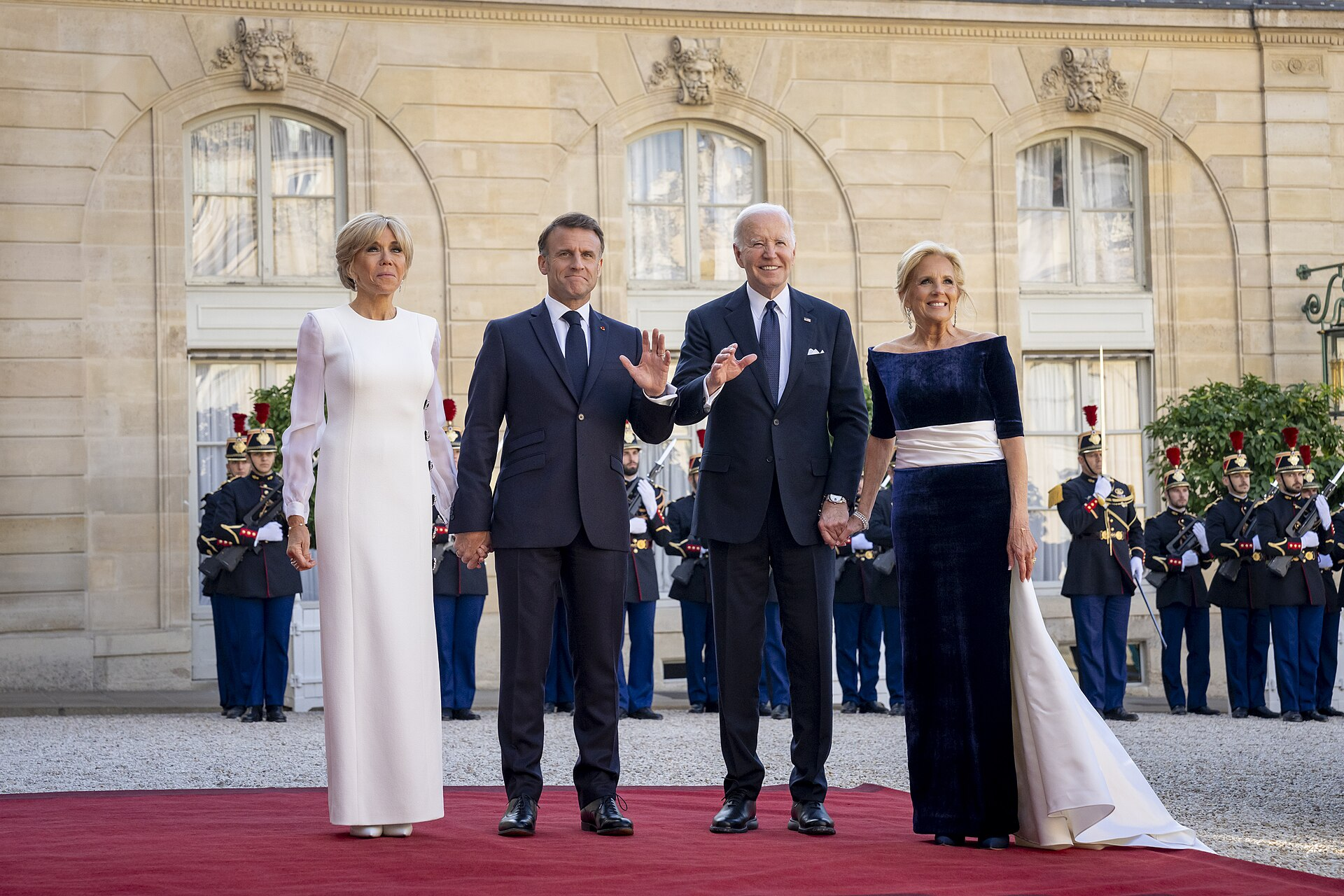
President Emmanuel Macron delivered a national address condemning the violence that swept France over the weekend, vowing an uncompromising response to those who destroyed property and clashed with police. In a televised speech from the Élysée Palace on Sunday evening, Macron said the country had witnessed scenes that defied justification or excuse.
About 550,000 people demonstrated on Saturday in cities across France, authorities said, including 110,000 in Paris alone. The interior ministry reported that approximately 2,400 people were arrested and nearly 1,000 police officers were injured, with seven of them seriously hurt. The scale of the disorder marked France’s worst unrest in years.
Rioting and looting across multiple cities
The 19th-century town hall in Limoges was set ablaze and largely destroyed, with Mayor Guillaume Guérin telling Reuters there was a clear, premeditated intention to burn down the building and that people inside feared for their lives. Protesters forced their way into Marseille’s city hall, and a tourist office in Lyon was set ablaze. In Bordeaux, Mayor Thomas Cazenave said up to 100 stores were looted. Widespread looting also took place in Paris, Marseille, and Lille, as well as other areas. One protester died of cardiac arrest during demonstrations in Paris, police said in a statement, without providing further details. Groups of rioters, some dressed in black and wearing masks and balaclavas, set fire to cars and buildings in Paris, Marseille, and other towns and cities.
Tear gas and stun grenades were fired at protesters in Paris on Saturday as crowds hurled bottles and rocks at police. Looting and clashes with police continued on a smaller scale in parts of Paris and Lyon on Sunday. That afternoon, police again fired tear gas and stun grenades to break up a rally at Place de la République in Paris, and bicycles were set on fire.
Macron draws line between legitimate demands and looters
Macron said a distinction must be drawn between the legitimate demands of protesters and those who destroyed, smashed, and looted. “Nothing justifies it, nothing explains it, nothing excuses it,” he said, pledging an uncompromising response. He ordered a review of whether there had been failings in intelligence gathering or police preparedness, and said prefects and mayors would draft measures to protect shops and civic buildings, including banning certain gatherings where necessary. He stopped short of declaring a state of emergency or imposing a curfew. Macron asked the government to convene students, teachers, lawmakers, unions, and business leaders this week to produce concrete proposals to address the crisis, and he promised full transparency over the police response to the demonstrations.
Interior Minister Laurent Nuñez blamed far-left individuals and delinquents for the violence and looting. He said the outrages were committed by several thousand far-left individuals determined to target public buildings and confront police, who were later joined by delinquents who looted and ransacked numerous businesses in several cities. Marine Le Pen, leader of the hard-right National Rally party, condemned the exploitation of anger by political forces that encourage violence and said Macron’s government is running on fumes, exhausted and disoriented. Jean-Luc Mélenchon, leader of the hard-left La France Insoumise party, criticised the government and police handling of the demonstrations, calling Nuñez and police chiefs specialists in organised chaos who had shown complete incompetence. Mélenchon said Macron needed to answer the demands of protesting high-school students, and the country could be heading toward events that will eventually become uncontrollable.
Budget vote looms amid fiscal crisis
The unrest comes as Prime Minister Sébastien Lecornu’s minority government seeks €54 billion ($61 billion) of fiscal savings in its 2027 budget to narrow the country’s growing deficit. France’s debt burden has reached a record €3.6 trillion in the second quarter, hitting 119% of GDP, and is becoming increasingly expensive to service as interest rates spike across the world. The National Assembly is due to hold a formal vote on the first part of the budget bill on Tuesday. The protests were driven by anger over rising fuel prices, the cost of living, and deteriorating public services including schools. Student protests that began last month escalated on Saturday after being joined by trade union members and other anti-government groups. France is preparing for an election in April which could see the hard-right pitted against the hard-left.
Economy Minister Roland Lescure vowed government support for business owners who suffered losses from the riots.
Sources & methods
- BBC News report on Macron's address and nationwide rioting Archived Oct 19, 2026
- CNBC report on France's worst unrest in years ahead of budget vote Archived Oct 19, 2026
This article draws on reporting from BBC News and CNBC, including statements from the French interior ministry, President Emmanuel Macron’s televised address, and remarks by Interior Minister Laurent Nuñez, Marine Le Pen, Jean-Luc Mélenchon, and local mayors. Figures for arrests, injuries, and demonstration sizes are attributed to French authorities.