Masked gunmen kill at least six mourners at a church funeral in southern Jordan
Two attackers opened fire during a funeral at the Hamoud church in Karak governorate on Friday, wounding 28 and fleeing before security forces arrived.
At least six people were killed and 28 wounded when gunmen opened fire during a church funeral in Jordan’s Karak governorate on Friday, a rare mass-casualty attack that struck a region with a sizeable Christian community and a history of extremist violence. A spokesperson for Jordan’s Public Security Directorate confirmed that at least six people were dead, though Jordanian sources had earlier told Al Jazeera that seven people had been killed in the assault on the church.
Two masked gunmen arrived at the Hamoud church in a vehicle, got out, and opened fire on the mourners who had gathered inside for the funeral before fleeing the scene, according to state-owned al-Mamlaka television. The station reported that Jordanian security forces were deployed to the church and were pursuing the two suspects, who remained at large. The gunmen have not been identified. No group or individual has claimed responsibility for the attack. Government spokesman Mohammad al-Momani described the attack as ‘heinous’.
Inside the church
Mourner Khaled Burqan, who was inside the church at the time, told Jordan’s al-Mamlaka state-run TV that dozens of people were gathered for the funeral when the shooting began. He said one attacker carried a rifle and the other carried a pistol, and that the two men fired at the mourners for several minutes. Survivors said they heard an explosion when the funeral procession started, after which masked attackers broke into the church and began shooting at those inside. Footage believed to be from the aftermath of the attack appears to show several dead and wounded bodies lying on the ground inside the church amid chaotic scenes. An interior ministry news briefing was expected shortly.
A community shaken
Karak, located about 120km (75 miles) south of the capital Amman, has a sizeable Christian community in majority-Muslim Jordan. Christians number about 300,000 people, a minority of Jordan’s population of roughly 11.5 million. Taylor Luck, senior Middle East correspondent at the Christian Science Monitor, described Karak as home to Christians and Muslims who have lived side by side for generations. ‘This community prides themselves on its interfaith solidarity and coexistence,’ Luck said. If the attack was ‘intended to create divisions, we are likely to see this community come back even stronger,’ he added.
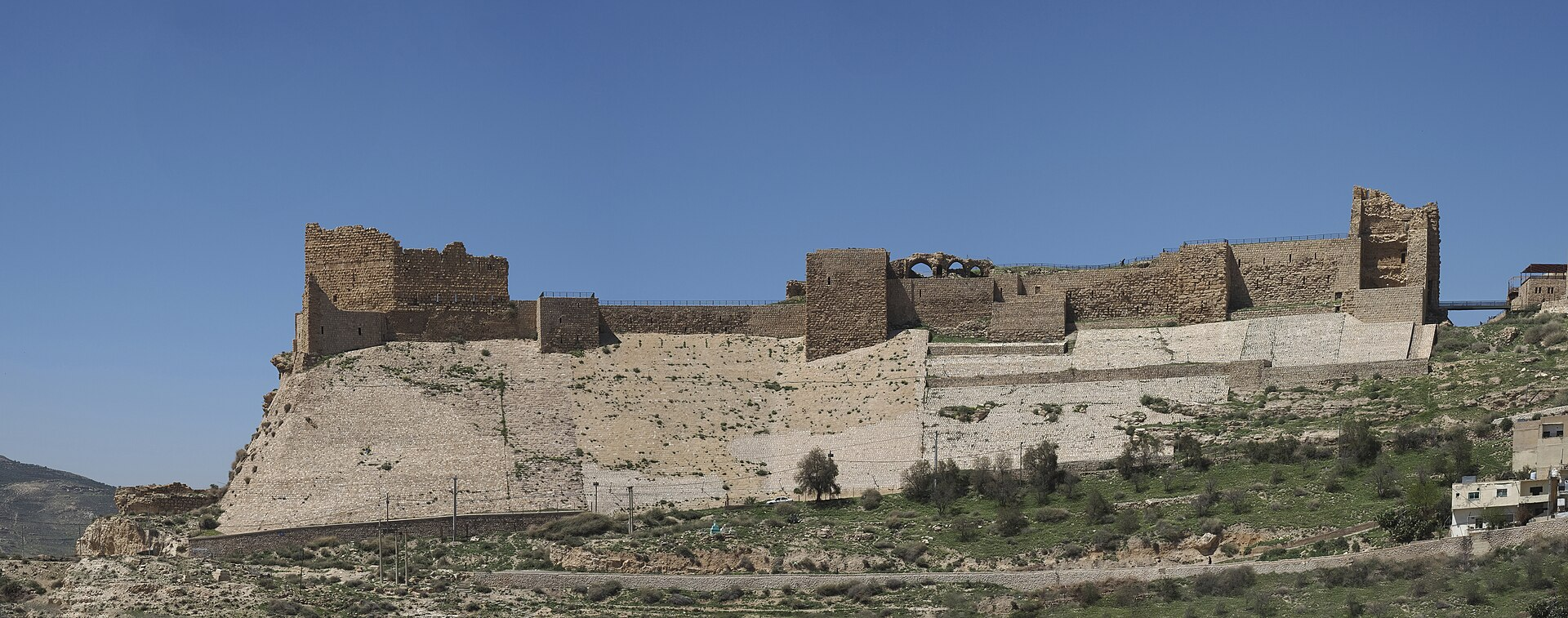
Though such attacks are rare in Jordan, Karak has been struck before. In 2016, a deadly ISIL, also known as ISIS, assault in the city saw a group of fighters hole up in a Crusader-era castle and kill 10 people, including security officers and a Canadian tourist. Jordanian security forces ultimately shot and killed the attackers. No connection between this attack and the 2016 assault has been established beyond the geographic coincidence that both took place in Karak.
Political analyst Xavier Abu Eid told Al Jazeera that the shooting holds significance not just for Jordan’s Christian population but also for Amman’s public diplomacy as custodian of Christian and Muslim holy sites in Jerusalem. For years, Jordan’s King Abdullah II has been a vocal critic of Israel’s systemic attacks against religious sites in occupied Palestinian territory. Jordan is home to several biblical sites that attract Christians from around the world. ‘This is something that goes totally against the message that Jordan wants to give to the world,’ Abu Eid said.
Sources & methods
- BBC News, reporting on the Karak church shooting Archived Oct 23, 2026
- Al Jazeera, reporting on the Karak church shooting Archived Oct 23, 2026
This report draws on coverage from BBC News and Al Jazeera, including statements from Jordanian government and security officials, witness accounts broadcast on state-run al-Mamlaka TV, and analysis from regional commentators cited by Al Jazeera.