New Zealand’s ruling coalition falls one seat short of majority, handing kingmaker role to centrist newcomer
Official results released Friday leave Prime Minister Christopher Luxon’s National-ACT-New Zealand First bloc needing the seven-seat Opportunity Party to govern.
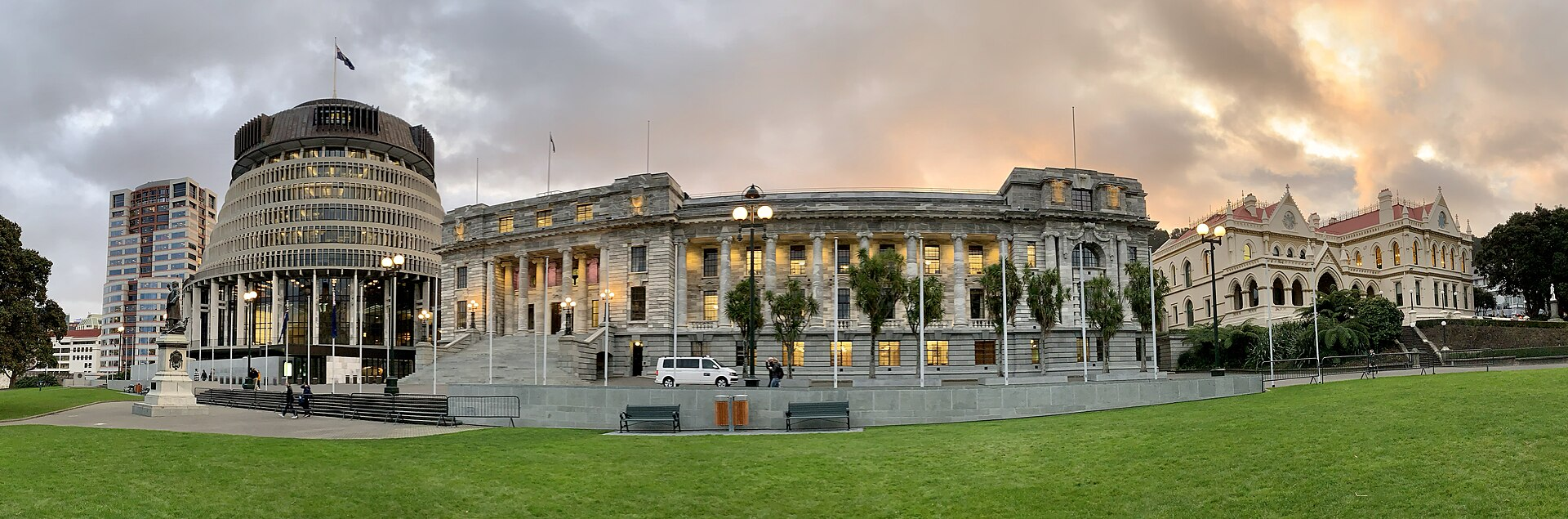
Official results released Friday confirmed New Zealand’s ruling coalition fell one seat short of a parliamentary majority, forcing Prime Minister Christopher Luxon to negotiate with a centrist newcomer whose seven seats will determine whether the country avoids a return to the polls.
Luxon’s National Party won 40 seats, ACT took 13, and New Zealand First won 12, giving the bloc a combined 65 seats in the 130-member parliament. The 66-seat threshold for a majority now hinges entirely on the Opportunity Party, which secured seven seats. A Labour-led government is not possible even with Opportunity’s support, as the left bloc would not have enough seats to govern.
The coalition lost two seats on special votes between the preliminary and official results. Special votes, cast by citizens overseas or outside their registered electorate on election day, typically skew left. Preliminary results on 7 November had projected a slim coalition lead over the left-leaning bloc. New Zealand uses a mixed-member proportional voting system in which each person casts two votes, one for a political party and another for a local representative.
The kingmaker
Opportunity leader Qiulae Wong, a former consultant, enters negotiations with a policy platform that sits uneasily alongside much of the bloc’s agenda. Her party promised a universal basic income of up to NZ$370 (US$208) per week, campaigned for greater climate action, a ban on bottom-trawling fishing, and healthcare reforms. Wong also campaigned for a kinder approach to politics, a stance that contrasts sharply with some of her potential partners. She pledged to do everything possible to ensure a stable government, though she has said all options remain on the table.
Friction within the bloc
The coalition Luxon leads contains figures whose rhetoric and priorities may complicate talks. Winston Peters of New Zealand First, the foreign minister, has been described as controversial. He called opponents “morons” and earlier this year told a Chinese-born lawmaker to “go back to your country.” New Zealand First promises to tighten immigration and withdraw from the Paris Climate Accord. Deputy Prime Minister David Seymour of ACT campaigned against a greater governance role for the Indigenous Maori minority and promised massive cuts to state spending. National’s own pledges include lower taxes, cheaper energy, more renewable generation, and a greater focus on defence.
What’s at stake
Luxon has led New Zealand since 2023, and the election was shaped by a stagnant economy. Failure to reach agreement could mean returning to the polls next year. Luke Oldfield, a political scientist at Victoria University of Wellington, told Reuters a deal was likely although challenging. Seven parties now sit in parliament.
“Kiwis won’t thank us for rushing to an agreement that falls apart or for sending them back to the polls,” Luxon told reporters. More than half of the country no longer sees New Zealand as a land of opportunity, according to a survey by the Helen Clark Foundation. Kiwis have been leaving in record numbers, including former prime minister Jacinda Ardern, who moved to Australia.
Sources & methods
- BBC News, reporting on official election results and coalition negotiations Archived Nov 27, 2026
- Al Jazeera, reporting on election results, party platforms, and political analysis Archived Nov 27, 2026
Two published news reports form the basis for this article. Both cover the November 7 election and its aftermath. Seat counts, party positions, and quoted statements come from those sources, and where only one source corroborates a particular fact, it is attributed accordingly rather than presented as established consensus. No deadline has been established. The popular-vote claim is single-sourced. Because the second of the two sources does not corroborate the popular-vote claim, it is not reported here as established fact despite appearing in one of the underlying published reports.