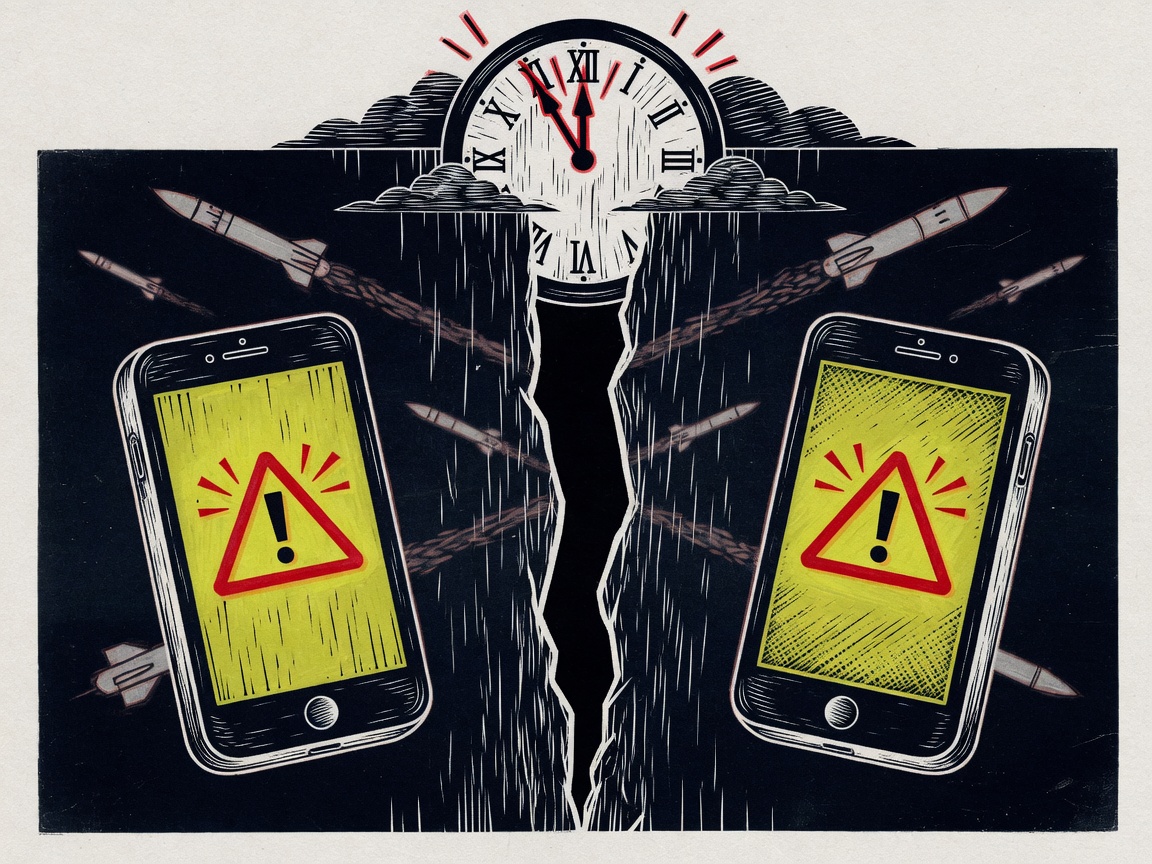
Oil plunges more than 7% as Iran and US signal openness to ending eight-month war
Both sides have publicly signaled willingness to pursue a diplomatic exit from the conflict, but Tehran insists Washington must lift its naval blockade first and markets remain wary of previous false dawns.
Oil prices fell sharply on Monday on hopes of a diplomatic breakthrough to end the eight-month Iran-US conflict, with both sides signaling openness to talks and crude dropping more than 7%.
West Texas Intermediate futures shed 7.4% to close at $96.46 a barrel, the biggest daily loss since July 27. Brent, the international benchmark, lost 7.6% to settle at $104.77 a barrel. The sell-off unwound part of a rally driven by escalation fears. The oil market gained more than 10% in October, pricing in the risk of a major military escalation after the elections. That risk premium has proved volatile. The oil market has sold off during previous phases of the war on rumors of a possible settlement, only for the conflict to subsequently escalate and spike prices again. That pattern has left traders cautious.
Tehran’s conditions
Iran’s Supreme Leader Ayatollah Mojtaba Khamenei granted the government authorities to pursue talks with the US, according to President Masoud Pezeshkian, who told the state-run Islamic Republic News Agency that Tehran is seeking to resolve problems through dialogue. Foreign Minister Abbas Araghchi said an agreement with the US is possible if Washington demonstrates goodwill and is truly seeking a peaceful solution. He said mediators are discussing the proposal Iran made at the United Nations General Assembly in September. “Consultations through mediators are very intensive. We have presented our conditions and proposals and everything depends on the political rationality of Washington,” Araghchi said, according to IRNA. Tehran demands that the US lift its naval blockade, lift sanctions, and reduce its military presence in the region to previous levels before any agreement is reached.
Washington’s mixed signals
Trump told reporters Monday that Iran wants to “make a deal and that could happen.” Vice President JD Vance said Washington has made progress in indirect peace talks with Iran. Secretary of State Marco Rubio said Trump prefers not to use military force against Iran and would like to resolve the conflict diplomatically, adding that the president “hasn’t made a decision” on whether to strike Iran again. The conciliatory messaging sat alongside a markedly different tone from the campaign trail. Trump told voters in Iowa on Sunday that Iran would receive “the hammer” unless there was progress. Trump has previously said he will not attack Iran before the US midterms.
Hormuz volatility and the risk premium
The Strait of Hormuz remained a flashpoint. The IRGC says two crude oil tankers caught fire after hitting sea mines in the Strait of Hormuz. Gulf nations condemned Friday’s attack on a Qatari LNG carrier. Qatari officials tried to negotiate the release of more than $6bn (£4.5bn) in Iranian assets so that Tehran might allow the Strait of Hormuz to reopen. Khamenei on Saturday called for Tehran’s armed forces to meet any threat with an immediate, impactful, and geographically unrestricted response. The diplomatic signals rippled across broader markets. The drop in the oil price sparked hopes of a break in the inflationary pressures gripping the global economy. The yield on 10-year UK bonds dropped 10 basis points to its lowest since 22 September. IAG shares rose 4.2% in London, while United Airlines jumped 7% in New York.
Ryan McKay, director of commodity strategy at TD Securities, said reports about diplomatic efforts will have a big impact on crude prices because much of the market’s recent gains were risk premium in anticipation of a possible escalation. But with no concrete conclusion to the war and tanker and Houthi attacks remaining prevalent, he does not anticipate a complete erosion of the risk premium via diplomacy headlines alone. Chris Beauchamp, chief market analyst at IG, called the news “manna from heaven for stock markets, which have felt increasingly pressured by oil’s rise,” but cautioned there is still a risk Trump will try one last throw of the iron dice after the midterms.
Sources & methods
- Al Jazeera live blog, 3 Nov 2026 Archived Nov 3, 2026
- CNBC, 2 Nov 2026 Archived Nov 3, 2026
- The Guardian, 2 Nov 2026 Archived Nov 3, 2026
Reporting based on three published news sources covering oil market movements, diplomatic statements from Iranian and US officials, and Strait of Hormuz incidents on 2–3 November 2026.