Oman evacuates injured crew from tanker struck in Strait of Hormuz as oil climbs and Singapore warns of Iran’s influence
A dozen crew members, most of them Indian, were injured when a projectile hit the On Peace off the Omani coast, the latest in a string of tanker attacks lifting crude prices even as Middle East exports recover.
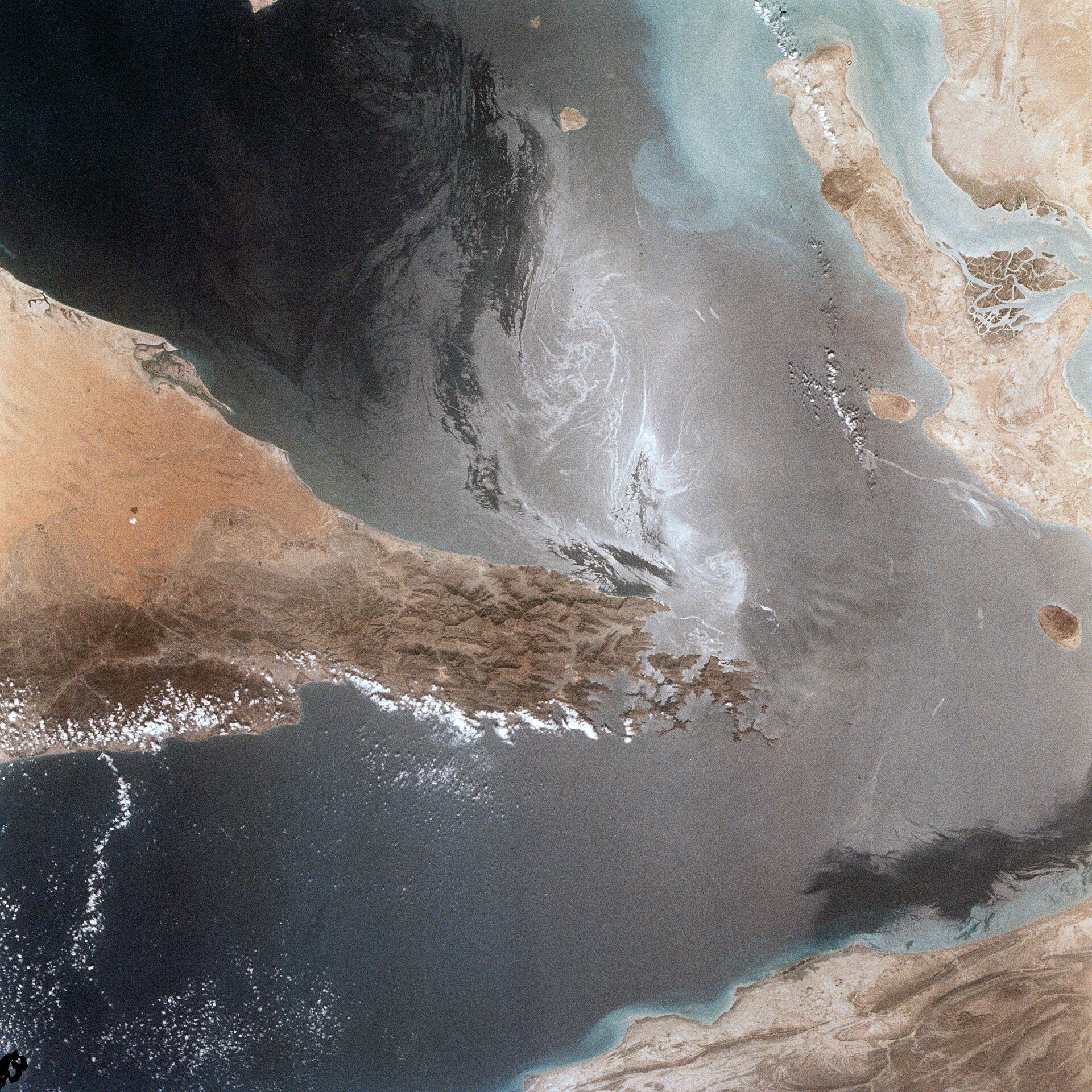
Oman’s air force evacuated 10 crew members of a Panamanian-flagged oil tanker after an attack in the Strait of Hormuz.
Iran has been attacking commercial vessels transiting the Strait of Hormuz since effectively closing the waterway after the US-Israel war began on February 28, seeking to charge ships for passage. At least seven other incidents involving tankers have been reported in the past week, according to Marisks, a shipping intelligence service. Prices remain high, with Brent at $101.51 a barrel. Singapore Foreign Minister Vivian Balakrishnan echoed President Donald Trump’s call for Asian economies to shoulder more of the security burden, even as he cautioned against framing the issue solely around who buys the oil.
Tanker struck off Omani coast
The On Peace tanker was struck nine nautical miles (about 17km) off the Omani port city of Limah on Tuesday, according to the Omani Ministry of Defence. The attack set off a fire. At least 12 of the ship’s 19 crew members were injured when a projectile hit the vessel as it was transiting the strait, India’s Ministry of External Affairs said. Seventeen of the 19 crew members were Indian nationals, as were 11 of the injured. The crew members were transported to Khasab hospital in Musandam governorate and received medical treatment, the Omani Ministry of Defence said in a statement. No group has claimed the attack.
India is one of the largest contributors of sailors to merchant shipping worldwide. The Indian government said in July that at least 10 Indian seafarers had been killed since the US-Israel war on Iran began in late February. Another attack on a cargo ship in the Strait of Hormuz in September killed an Indian sailor. India’s Ministry of External Affairs said the continuing incidents of attacks on shipping in the region remain a cause of deep concern for India. “We reiterate our call for an immediate cessation of such attacks in the interests of peace and stability in the region,” the ministry said.
Oil climbs even as Middle East supply recovers
Brent crude futures rose to $101.51 a barrel on Tuesday, compared with $72.48 the day before the war began. Brent December futures gained 0.93% at $101.52 on Wednesday, while U.S. West Texas Intermediate futures for November advanced 0.81% at $90.16 per barrel. The seven-day moving average of Middle East crude exports reached 18.3 million barrels per day on September 30, compared with about 18 million bpd on average in the 12 months before the war, according to provisional data from Kpler. Oil pumped through the East-West Pipeline had reached 5.8 million barrels as of Tuesday morning, according to Saudi Energy Minister Prince Abdulaziz bin Salman. The Saudi aviation authority said Tuesday that airports in Jazan and Najran were targeted in two attacks amid growing hostilities between Yemen’s Iran-backed Houthis and the kingdom. Naeem Aslam, chief investment officer of Zaye Capital Markets, said oil remains “caught between improving physical supply and persistent geopolitical risk.” Samer Hasn, senior market analyst at XS.com, said, “The sustained ability of the Houthis in Yemen to target oil facilities hundreds of kilometers from the border keeps the risks of a renewed large-scale crude supply disruption present and high, and these risks could worsen if the Houthis feel the need to apply more pressure as a result of losing more territory.”
Singapore warns Iran seeks a ‘veto’ over Hormuz
Balakrishnan told CNBC at Milken Institute’s Asia Summit in Singapore on Wednesday that Trump isn’t “completely wrong” in suggesting the disruption is Asia’s problem. Trump has said that Asian economies should shoulder more of the burden of keeping the waterway open rather than relying predominantly on U.S. protection. “We don’t use the strait. We don’t need it. Europe needs it. Korea, Japan, China, [and] a lot of other people,” Trump said earlier this year. Balakrishnan cautioned against viewing the issue simply through the lens of who buys the oil, stressing the importance of maintaining freedom of navigation through international waterways. For Singapore, that principle is “non-negotiable,” he said, citing the United Nations Convention on the Law of the Sea and the rights of transit passage and freedom of navigation. Iran’s ability to charge vessels could effectively establish its right to determine which ships are allowed through, giving Iran a potential “veto right” over Hormuz, Balakrishnan said. That power could provide Tehran with greater sway right now than even a potential nuclear weapon, from an Iranian point of view, he said. Balakrishnan said he does not expect the U.S. or Gulf states to tolerate such a veto. “This, for us, is an existential question, and it’s a matter of principle, matter of international law,” he said.
Iran has frequently attacked commercial vessels that do not use its designated route in the waterway. Balakrishnan said he does not see a quick diplomatic off-ramp. “I think there will be a lot of pushing and shoving the next few months,” he said. In April, he warned that a U.S.-China conflict in the Pacific could make the Hormuz disruption look like a “dry run.” Singapore would “refuse to choose” between Washington and Beijing, he said, while stressing that the city-state would uphold freedom of navigation through the Strait of Malacca and would not participate in closing, interdicting, or imposing tolls on the waterway.
Sources & methods
- Al Jazeera reporting on the On Peace tanker attack, Omani evacuation, Indian crew casualties, and Strait of Hormuz shipping disruptions Archived Oct 7, 2026
- CNBC reporting on oil price movements, Houthi attacks on Saudi Arabia, and Middle East crude export data Archived Oct 7, 2026
- CNBC interview with Singapore Foreign Minister Vivian Balakrishnan at the Milken Institute's Asia Summit Archived Oct 7, 2026
This article was compiled from reporting by Al Jazeera and CNBC, incorporating statements from the Omani Ministry of Defence, India’s Ministry of External Affairs, shipping intelligence service Marisks, oil data firm Kpler, and market analysts, alongside a CNBC interview with Singapore Foreign Minister Vivian Balakrishnan.