Paraguay’s Congress impeaches President Santiago Peña and places him under house arrest after Ueno Bank collapse freezes millions of accounts
Vice-President Pedro Alliana was sworn in as interim president after lawmakers voted to remove Peña over a banking crisis that left roughly three million people unable to access their savings.
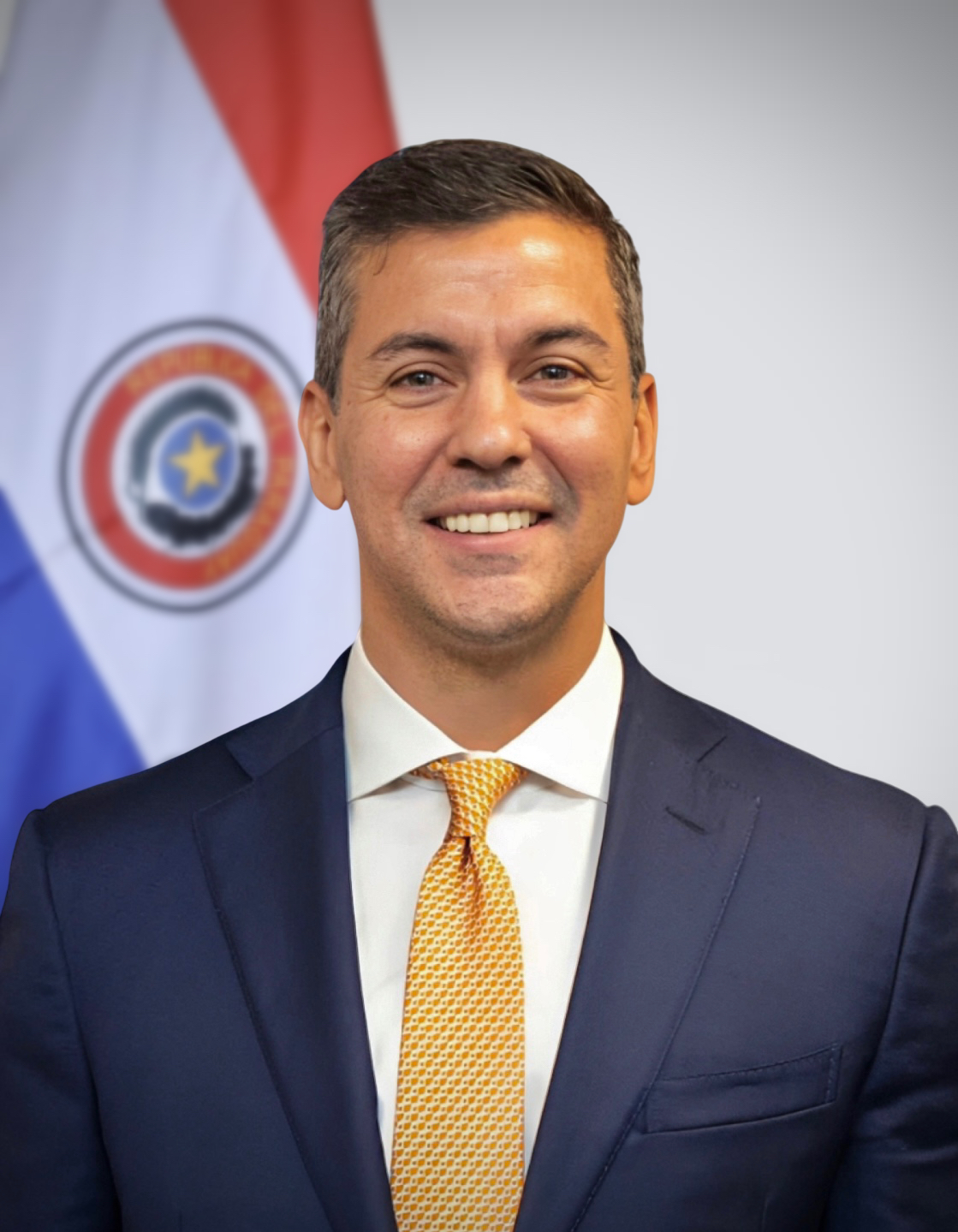
Paraguay’s Congress impeached President Santiago Peña on Friday and placed him under house arrest minutes after the vote, capping a dramatic week triggered by the collapse of a digital bank linked to his private business interests. Vice-President Pedro Alliana was sworn in as interim president.
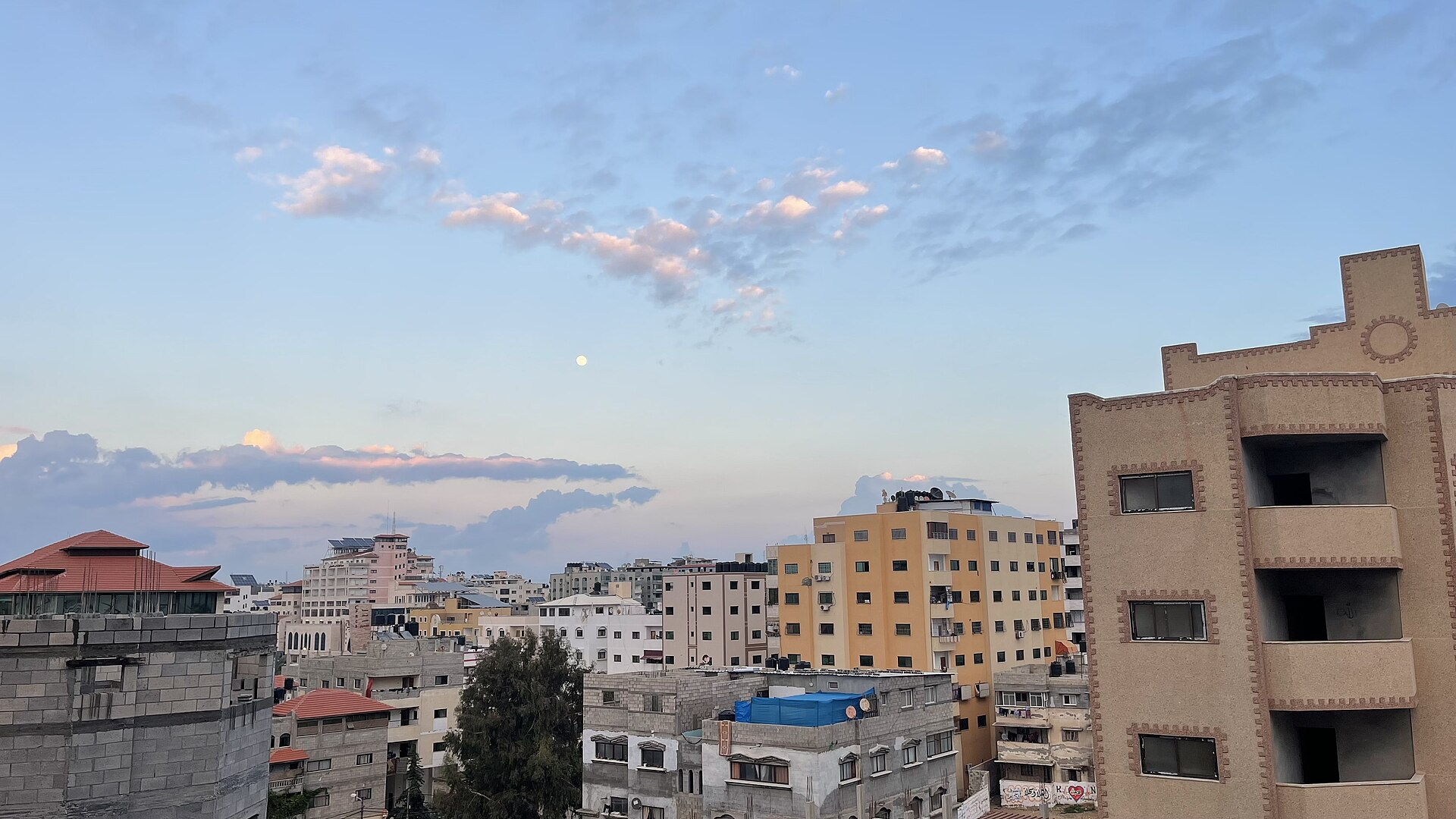
The crisis was set in motion earlier this week when Paraguay’s central bank seized Ueno Bank after irregularities, freezing the accounts of 2.9 million people, about 60% of the country’s adult population, who overnight could no longer use their own money even for basic purchases such as bread and water. Retail sales fell by as much as 80% as much of the population found itself cut off from savings and pensions, fuelling protests that spread across the country, some involving violent clashes with police. The public prosecutor’s office opened an investigation into Peña on Thursday on suspicion of illicit enrichment, money laundering, and influence peddling, and analysts say he is likely to be prosecuted over the bank’s collapse.
From resignation offer to impeachment
Impeachment proceedings began on Wednesday, and Peña tried to resign on Thursday in an attempt to retain the special jurisdiction afforded to former presidents, who become senators for life in Paraguay. Lawmakers refused to accept his resignation, and by rejecting it they stripped Peña of the immunity normally granted to former presidents, leaving him subject to the ordinary courts. The Senate concluded the proceedings on Friday, with 44 of 45 senators voting in favour and one lawmaker absent. Senate president Basilio Núñez said Peña was found guilty of “dereliction of duty.” The charges alleged conflicts of interest, influence peddling, manipulated regulatory oversight, diverted pension funds, and an institutional cover-up involving the central bank. Opposition senator Rafael Filizzola told the chamber: “We are facing the biggest corruption scandal in our democratic history – a tremendous blow to the state, to private citizens, and to the country’s credibility and image.”
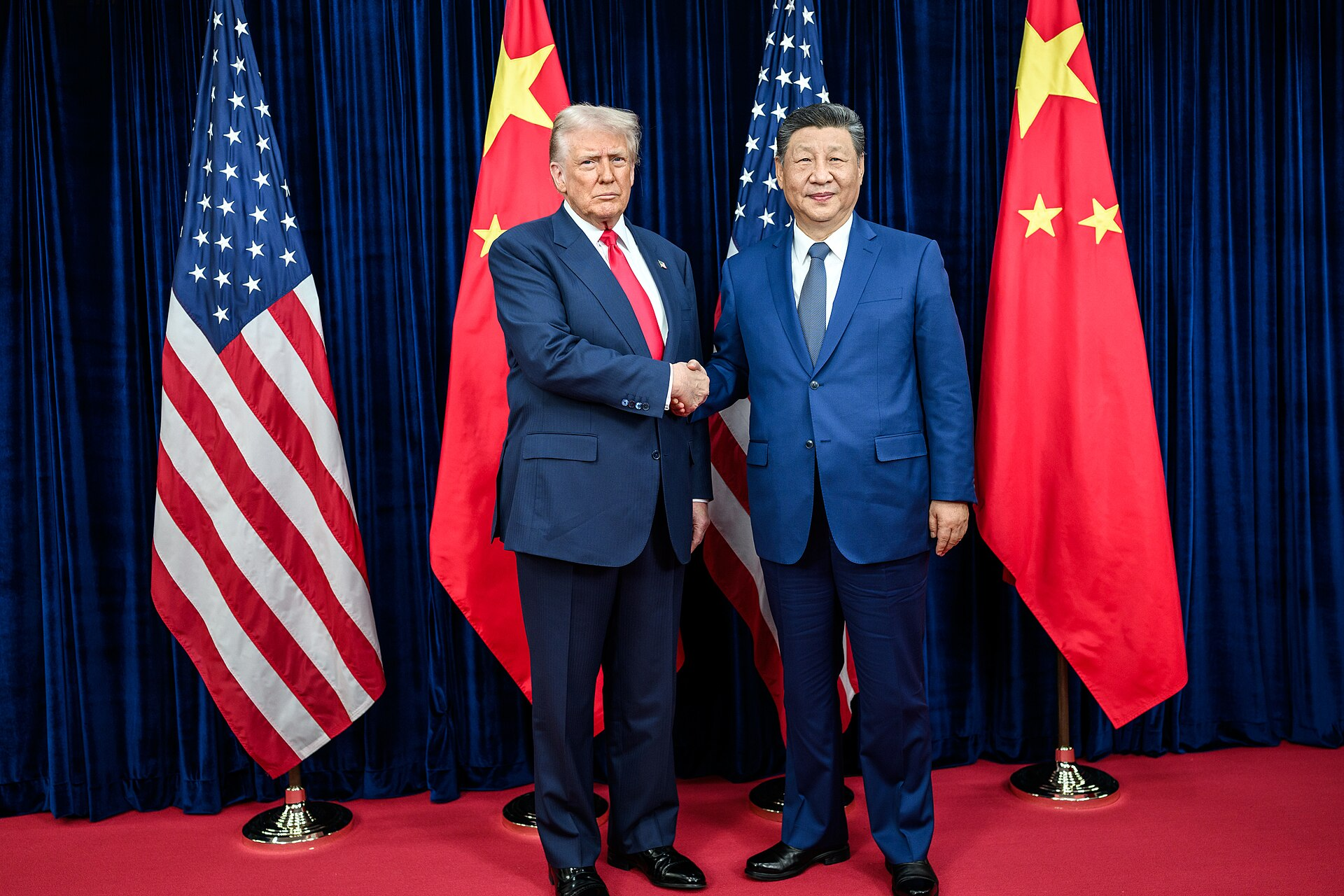
Peña, a 47-year-old rightwing economist described as one of US president Donald Trump’s main allies in the region, lost the support of his own party as pressure mounted. He denied wrongdoing. In an address to the nation on Thursday, Peña said he was sorry and that “it was never my intention to betray the trust you placed in me.” His defence lawyer, Ricardo Preda, called the allegations a “reckless accusation” that was “irresponsible and opportunistic.”
The Ueno connection
Peña bought about US$1m in shares in 2019 in a company that became Ueno Holding in 2022, the parent company of the conglomerate that controlled Ueno Bank. He disposed of the shares in April 2025, well into his presidency, and said he had bought them purely as an “investor.” Soon after taking office, Peña appointed Carlos Carvallo Spalding, a former CEO of Ueno, as head of the country’s central bank. Three months later, Spalding, now regulating the company he used to run, allowed Ueno to become a digital bank, putting it on the path to becoming one of Paraguay’s largest banks by deposits in just a few years. Ueno grew rapidly through an easy account-opening system and by promising returns far above those offered by the rest of the market. The arrest warrant issued for Peña also includes Spalding.
An estimated $800m to $860m in state and pension funds were invested in Ueno after the bank brought public pension funds controlled by Peña’s administration into its portfolio. Political analyst Hugo Duarte said most pension funds close to the government went to deposit their money in Ueno because it had the blessing of the presidency.
Protests and what comes next
Peña is due to be questioned on Saturday over allegations of breach of trust, influence peddling, and misappropriation of funds, with prosecutor Silvia Margarita Gonzalez Vester handling the questioning. The investigation also covers suspicion of illicit enrichment and money laundering. Prosecutor Elena Fiore Franco confirmed that Peña was inside his home and had voluntarily allowed officers to enter, making himself available for all procedural purposes. Alliana promised that affected compatriots will be fully compensated and said he will serve as president until 2028.
Sources & methods
- BBC News, "Paraguay's President Santiago Peña impeached and arrested"
- The Guardian, "Ousted Paraguay president under house arrest after banking crisis leaves 60% of country unable to access accounts" Archived Nov 7, 2026
Reported from two corroborating sources: BBC News and The Guardian. Figures on affected depositors differ slightly between sources (three million vs 2.9 million); the more precise figure with the 60% share of the adult population is used in the bank-crisis paragraph. Two distinct prosecutors are named for separate roles per the sources.