Powerful earthquake strikes western Colombia, killing at least 20 and collapsing buildings across major cities
The 7.4-magnitude quake, centered in Chocó, was the strongest registered in Colombia in a decade and sent residents fleeing into streets from Bogotá to Ecuador.
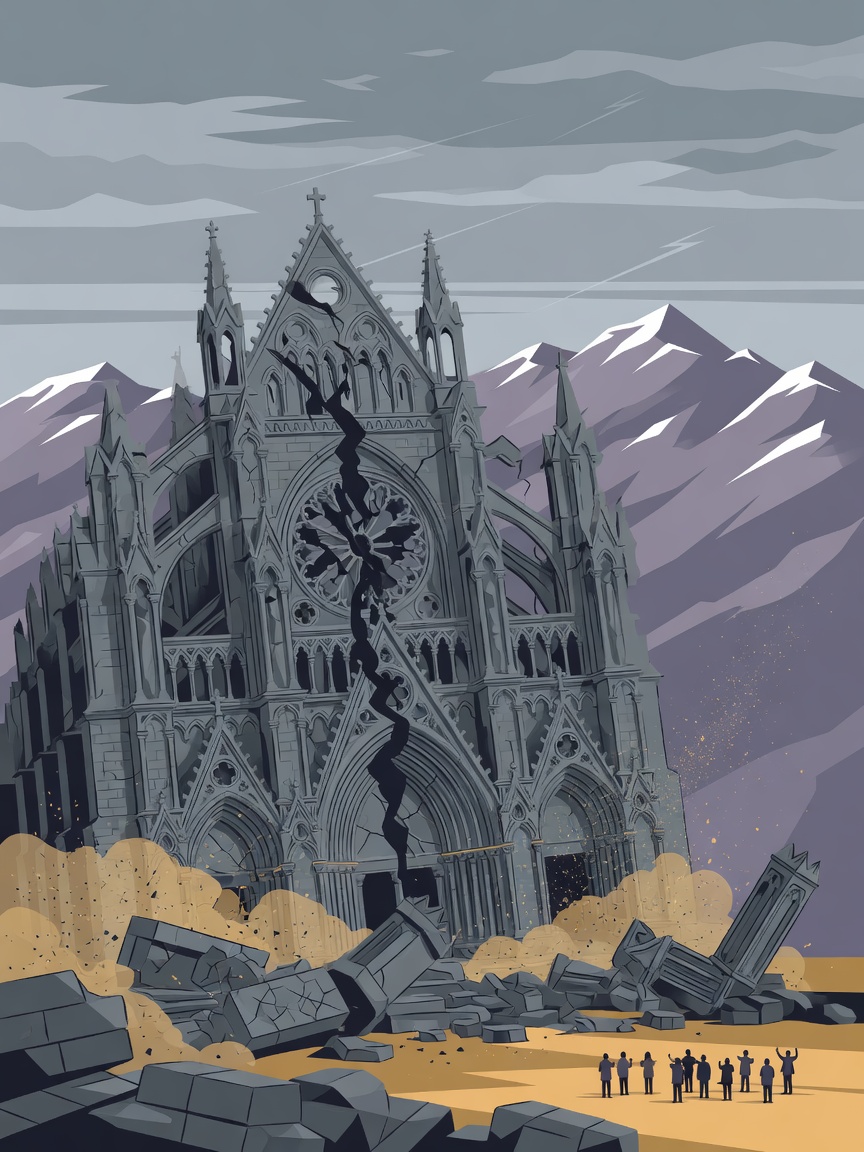
A 7.4-magnitude earthquake struck western Colombia on Monday morning, killing at least 20 people, collapsing buildings in cities across the region, and trapping residents under rubble as rescue teams scrambled to reach them.
The quake hit at 7.34 am local time. Its epicenter was near the municipality of San Jose del Palmar in Chocó, about 400 kilometers west of Bogotá, according to the U.S. Geological Survey and Colombia’s geological service. The USGS measured the depth at 107 kilometers. Colombia initially put the magnitude at 6.6 on the Richter scale before revising it upward. Colombia’s Geological Service called it the highest-magnitude earthquake registered in the country in the last decade. Two aftershocks of 2.8 and 4.8 magnitude followed.
At least 18 people died in Pereira. Two more were confirmed dead in Manizales. Authorities reported at least one death in Cali. One report from officials put the total as high as 47. The toll is expected to climb.
In Cali, a city of two million people southwest of Bogotá, Mayor Alejandro Eder said at least 20 buildings had collapsed and residents were trapped inside. He did not specify how many. One account put the number of collapsed buildings in Cali at 25. Cali requested rescue teams from Bogotá and Medellín. Eder confirmed the installation of a Unified Command Center in the city. “Right now, we are trying to map out what has happened, firstly to protect lives and secondly to be able to push ahead with any kind of rescue that might be necessary,” Eder said, urging citizens to stay calm. He told residents to check buildings for structural damage. “If you do not feel safe, if you see very large cracks, please, leave the building,” he advised.
Widespread damage and disruption
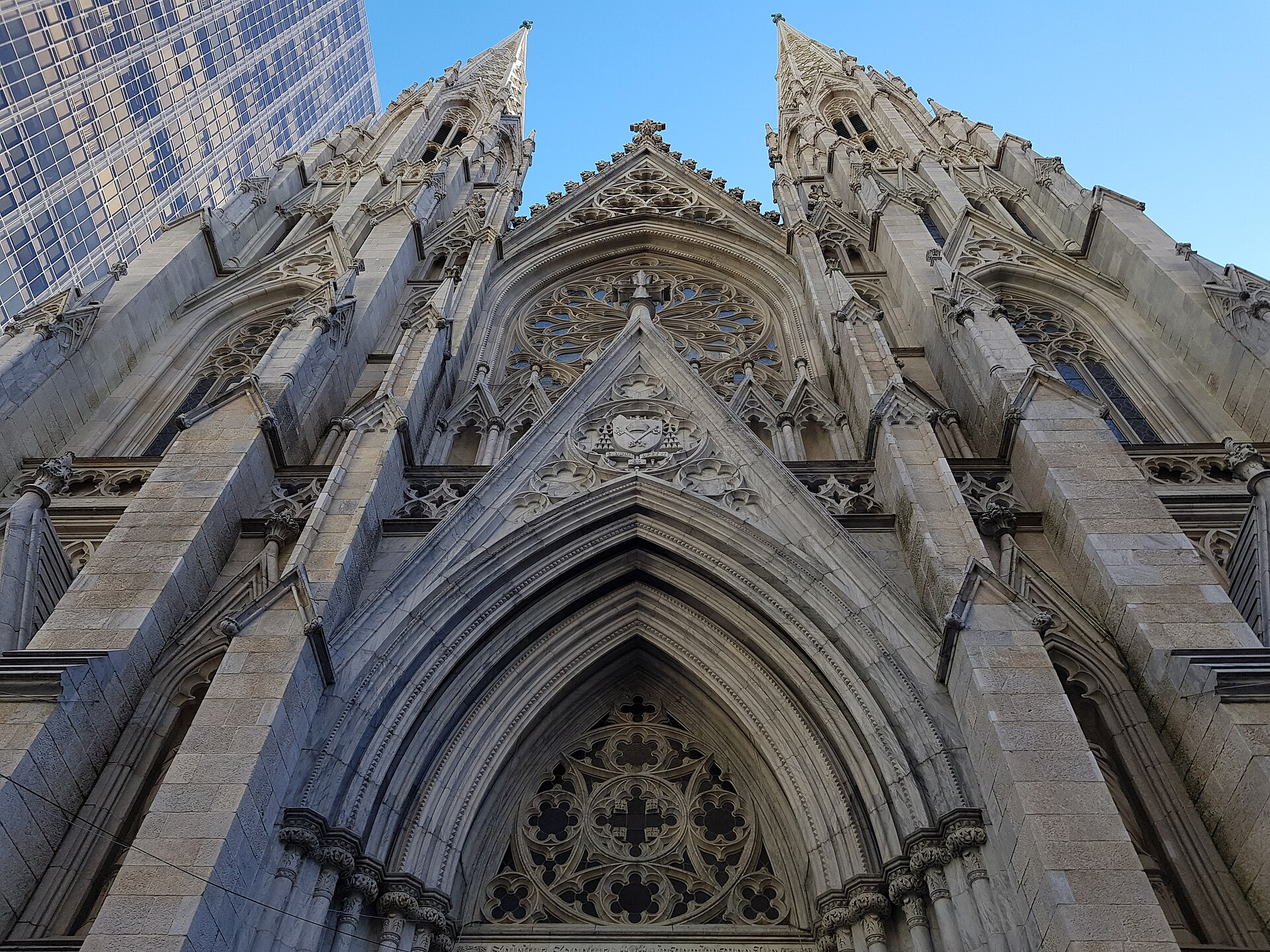
Manizales suffered extensive destruction. Mayor Jorge Eduardo Rojas Giraldo said more than 12 buildings and 20 homes were partially or completely destroyed. One tower of the city’s neo-Gothic cathedral collapsed onto the nave. He warned citizens to stay outside. “Do not go back into the buildings yet. I know this isn’t easy but stay outside for a little while at least because there could be an aftershock,” he said in a social media video.
In Chocó, Governor Nubia Carolina Córdoba said people had been injured and buildings severely damaged in the departmental capital, Quibdó. “We are concerned about aftershocks,” she wrote on X. Social media footage showed homes and small buildings collapsing in Pereira, Cali, and Quibdó. Part of the San José church in Pereira collapsed as palm trees around it shook. One video captured a woman sprinting from a building as it collapsed in Manizales. The newspaper El Tiempo published footage of a building giving way in the same city.
Aviation authorities reported damage to airports in Pereira, Manizales, Quibdó, Cartago, Armenia, and Buenaventura. Flights were suspended at those locations. The U.S. tsunami warning system said there was no tsunami warning.
President Abelardo de la Espriella, who took office on Friday, announced he would travel to Pereira to lead the government response and install an emergency center in San Jose del Palmar. “You are not alone. The state is present and acting,” he wrote on X. His office ordered an immediate meeting of the national disaster management committee. The government was “vigilant and in action,” his office said. “We will keep Colombians informed,” it added.
The quake was felt in neighboring Ecuador and Venezuela. Venezuela is still reeling from twin earthquakes in late June that killed more than 6,000 people and destroyed hundreds of buildings. Small earthquakes are common in central and western Colombia. Those above 6.0 magnitude are rare. In 1999, a 6.2-magnitude quake near Armenia killed more than 1,100 people.
Jorge Moncayo, a 64-year-old taxi driver in Cali, said he saw plumes of dust shoot up across the city from his home in the mountains as buildings collapsed. He said his entire house shook and that he had never lived through such a powerful earthquake. In Bogotá, the earthquake triggered car and building alarms as people fled into the street. Mayor Carlos Galán reported no injuries and only minor cracks. “No serious structural damage has been reported in Bogota, so our resources are at the service of the country,” Galán wrote. He offered the capital’s resources to affected cities. In Medellín, evacuation sirens sent residents into the streets, some in pajamas, others wrapped in towels. No collapses or casualties were reported there. Small towns on the outskirts reported caved-in roofs and fractured walls. Mayor Federico Gutiérrez suspended the metro for infrastructure checks.
Sources & methods
- The Guardian live blog reporting casualty figures, official statements from Cali and Manizales mayors, geological data, and accounts of building collapses across western Colombia Archived Aug 10, 2026
- The Guardian news article providing death toll breakdown by city, president's response, airport damage, and social media footage descriptions Archived Aug 10, 2026
- Al Jazeera reporting on the earthquake's magnitude, depth, tsunami assessment, Bogotá and Medellín impacts, and Cali building collapse figures Archived Aug 10, 2026
This article was compiled from reports by The Guardian and Al Jazeera, cross-referencing casualty figures, official statements, geological data, and eyewitness accounts across multiple dispatches.