Russia-bound cargo ship Sparta II burns in Gulf of Finland after suspected Ukrainian drone strike
Finnish defence forces say Ukraine was likely behind the attack that set the vessel ablaze and left it at anchor in Finnish waters, prompting the prime minister to warn the war is reaching the region.
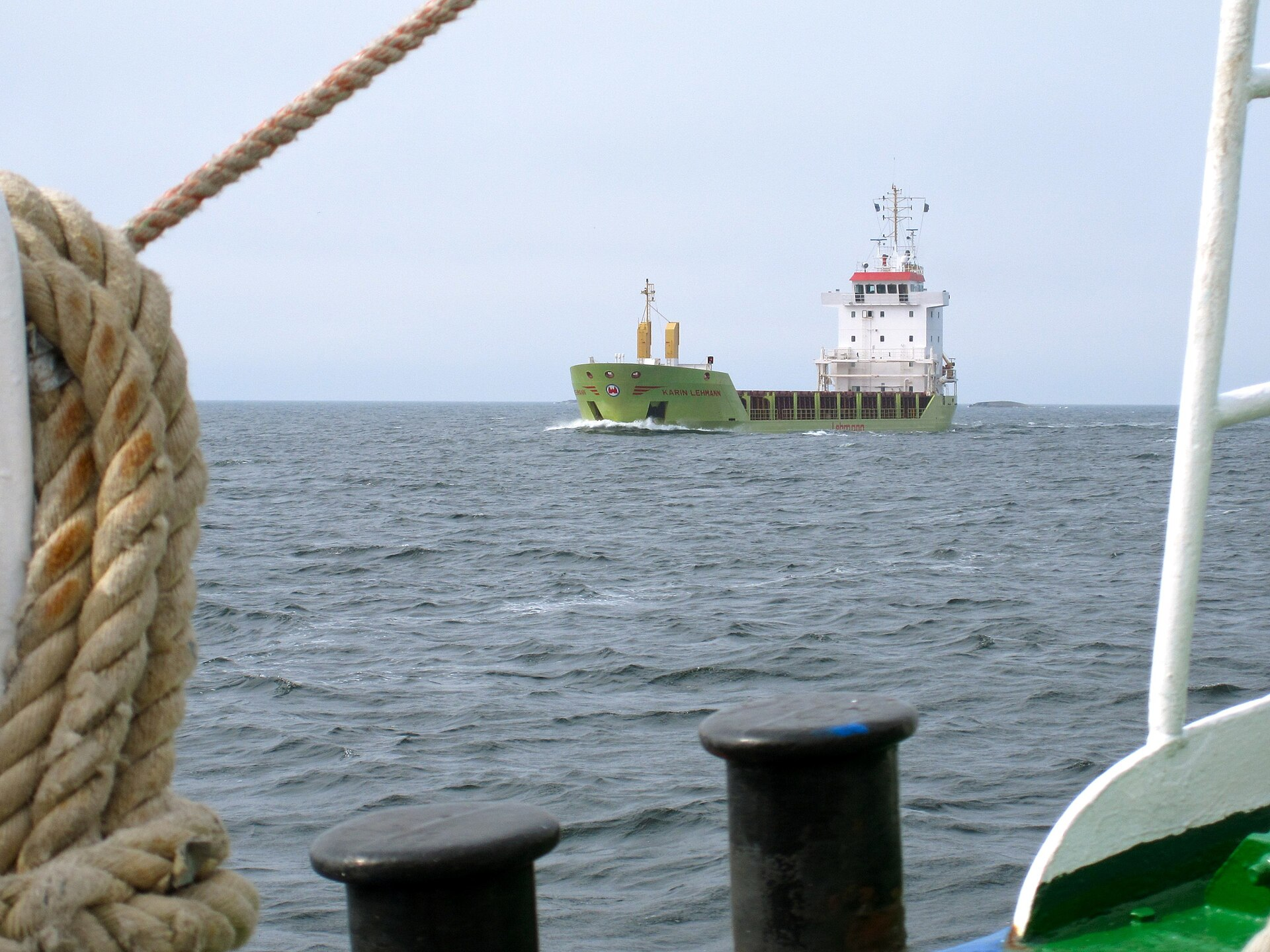
The Russian cargo ship Sparta II was on fire in the Gulf of Finland on Saturday after a drone attack that Finnish defence forces say was likely carried out by Ukraine.
The vessel, bound for the Russian exclave of Kaliningrad, was damaged in international waters before drifting into Finnish territory, where it remains at anchor. Its 16 crew members were evacuated to another Russian vessel. Firefighting continued through Sunday, with coastguard pictures and video showing several vessels spraying the Sparta II with water cannon overnight to douse flames and cool containers stacked on its deck.
Timeline of the strike
The Sparta II left St Petersburg on Friday, according to data from the London Stock Exchange. Finland’s coast guard said it was alerted to the attack at approximately 08:50 local time (06:50 GMT) on Saturday, and that the cargo vessel had been located roughly 50km west of Suursaari, also known as Gogland island. Finnish Defence Forces said the ship was damaged in international waters west of the island before drifting into Finnish waters. Kaliningrad Governor Alexei Besprozvannykh said two drones had been used in the strike, based on preliminary information.
A Russian rescue vessel approached the ship and was told by the crew that they did not need to be evacuated, Besprozvannykh wrote on Telegram, adding that the crew planned to continue on its way. The Finnish Border Guard later said the crew had in fact been evacuated to another Russian vessel that was already en route to Russia. The Russian rescue vessel remained at the location of the stricken ship. Estonian and Russian assets were involved in recovery work. The Finnish Border Guard said no environmental damage had been detected and there was no danger to maritime traffic or people. Temporary aviation and maritime restrictions were imposed around the area, and Finland’s defence ministry said a Russian helicopter was suspected of violating Finnish airspace, potentially linked to rescue or tracking operations.
A military logistics target
The Sparta II is a 121-metre Russian-flagged cargo vessel owned by the Russian shipping company Oboronlogistika, which provides logistics services for the Russian Ministry of Defence, according to the company’s website. The company was established within the structure of Russia’s defence ministry in 2011, and since 2015 has been operating within the military construction complex. The ship is subject to US sanctions and was also sanctioned by Ukraine earlier this year. Kaliningrad is a Russian exclave that sits between Poland and Lithuania. Besprozvannykh said there was no threat to the territory’s supplies.
War at Finland’s doorstep
“War is spilling over into our immediate vicinity … Ukraine has the right to fight back against the aggressor,” Finnish Prime Minister Petteri Orpo said. Defence Minister Antti Häkkänen said the Finnish Border Guard was responsible for the investigation and was co-operating with other relevant authorities. Nato has been informed, per Finland’s defence ministry. Finland detected a strike on a Russian warship in the same area earlier this month during Ukrainian drone attacks. Ukraine has sent waves of military drones towards Russia’s Leningrad region this year, some of which strayed into the airspace of nearby Baltic countries. Estonian Navy Commander Ivo Vark told public broadcaster ERR that the risk of further attacks in the Gulf of Finland cannot be ruled out.
Sources & methods
- BBC News, reporting on the Sparta II drone attack and firefighting efforts in the Gulf of Finland Archived Nov 22, 2026
- Al Jazeera, reporting on the Sparta II fire, crew evacuation, and regional security implications Archived Nov 22, 2026
This report draws on two published accounts, one from BBC News and one from Al Jazeera, cross-referenced against a fact ledger built from those sources. Figures and quotations were verified against the source texts; disputed claims are reported in sequence without reconciliation.