Russia stages largest overnight assault on Ukrainian energy grid since spring, killing at least six
Prime Minister Koretskyi said 11 regions were hit in a combined attack on power infrastructure as winter approaches, leaving households across the country without electricity.
Russia launched its largest attack on Ukrainian energy infrastructure since spring overnight into Wednesday, targeting power grids across the country. At least six people were killed and 33 injured, authorities said.
Prime Minister Serhiy Koretskyi said 11 regions were attacked overnight in a combined assault that also struck residential buildings, social infrastructure, civilian enterprises and railways. President Volodymyr Zelensky named the Zhytomyr, Mykolaiv, Kirovohrad and Rivne regions as among those hit, saying critical infrastructure was struck in each. Kyiv was under air alerts for much of the night as missiles and drones approached the city, and the attacks damaged the power grid and disrupted electricity supplies in and around the capital.
“However, a mass and combined attack of this scale has occurred for the first time since the end of the last heating season,” Koretskyi said on Telegram.
Casualties across the country
Three people were killed in the capital Kyiv, according to city officials. A child was killed in the surrounding Kyiv region, with the body found under the rubble of a house, regional governor Timur Tkachenko said. It is not clear whether the three deaths in the capital included the child. Two people were killed in the north-eastern Sumy region, governor Oleh Hryhorov said, and another person was killed in the Mykolaiv region, acting regional governor Heorhiy Reshetilov said. The BBC reported at least six killed nationally, while Al Jazeera reported four killed in Kyiv and the surrounding region without giving a national total.
Kyiv Mayor Vitaly Klischko said the three killed in the capital included a Ukrainian utility company worker who was killed at a warehouse building. Officials reported damage to homes, businesses, warehouses and vehicles. In Kyiv, people woke to thick, acrid smoke after a night punctuated by explosions, with an air raid alert still in effect and distant air defence gunfire echoing through the city. Residents in several districts were advised to close their windows until the smoke cleared.
Power grid under strain
DTEK, Ukraine’s biggest private energy firm, said power had been restored to about 8,000 households after what it called a difficult night for the capital. On Wednesday, some households in the Kyiv, Dnipropetrovsk, Donetsk, Sumy and Kharkiv regions remained without power, according to Ukraine’s energy ministry. State-owned grid operator Ukrenegro advised residents not to use powerful electrical appliances between 10:00 and 16:00 local time, as electricity supplies were lower than usual.
What Moscow says it targeted
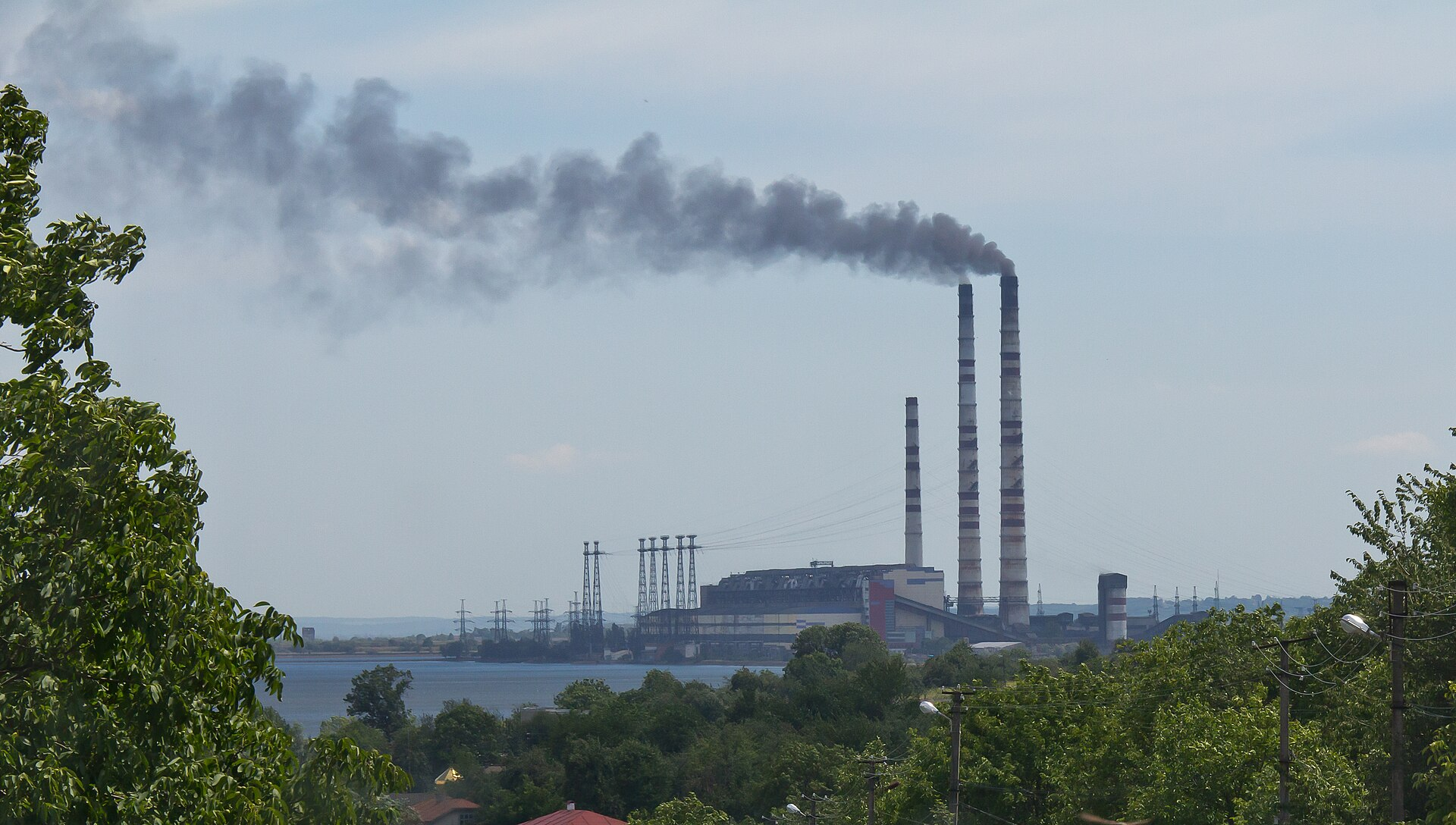
Russia’s Defence Ministry said its forces struck power infrastructure in the Kyiv region that it said was connected to Ukrainian military production. Moscow said one of its targets was the Trypilska power station, the largest supplier of electricity to Kyiv — a claim that has not been confirmed by Ukrainian officials. Moscow also said it struck a communications facility in Kyiv and port infrastructure in the southern city of Izmail.
Winter pressure and air defence calls
The attacks come as temperatures fall ahead of the winter months, renewing concerns about the condition of Ukraine’s power network. Russian attacks on the energy system during the previous winter caused electricity and heating outages during severe cold. Russia has increasingly deployed jet-powered attack drones that travel faster than earlier models and are harder for Ukrainian air defences to intercept, adding urgency to Ukraine’s calls for more air-defence support from its allies, particularly interceptors capable of countering ballistic missiles. Belgian Defence Minister Theo Francken warned in Brussels on Wednesday that Europe could face more Russian hybrid threats in the coming months and called for faster expansion of air defences, weapons stocks and production. The assault followed several days of heavier pressure on Kyiv, including strikes during daylight hours and repeated overnight barrages.
Koretskyi said since the summer there has effectively not been a single day without enemy attacks on Ukraine’s energy infrastructure. Russia launched its full-scale invasion of Ukraine in 2022, and Moscow currently controls about 20% of Ukrainian territory.
Sources & methods
- BBC News, reporting on the overnight strikes and their aftermath Archived Sep 30, 2026
- Al Jazeera, reporting on the attacks and regional impact Archived Sep 30, 2026
Reporting based on two wire sources covering the overnight strikes; casualty figures attributed to each source as recorded, with disputed totals left unreconciled per editorial guidance.