Russia struck Ukrainian energy sites hours after Trump declared a ceasefire, exposing a deal neither side was consulted on
The US president insists Moscow and Kyiv agreed to stop attacking energy infrastructure, but European allies doubt the arrangement will hold as Russian missiles and drones keep falling.
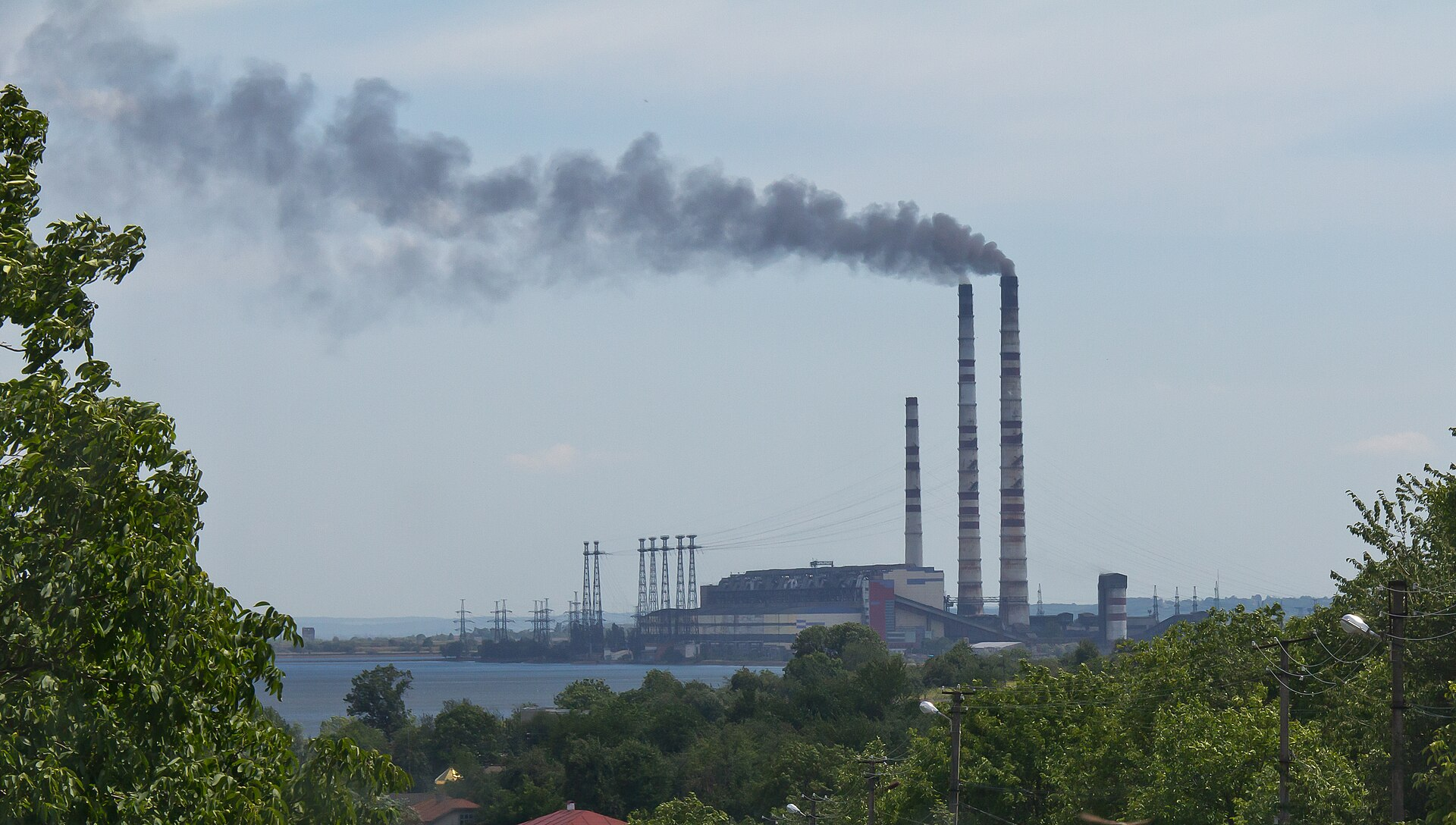
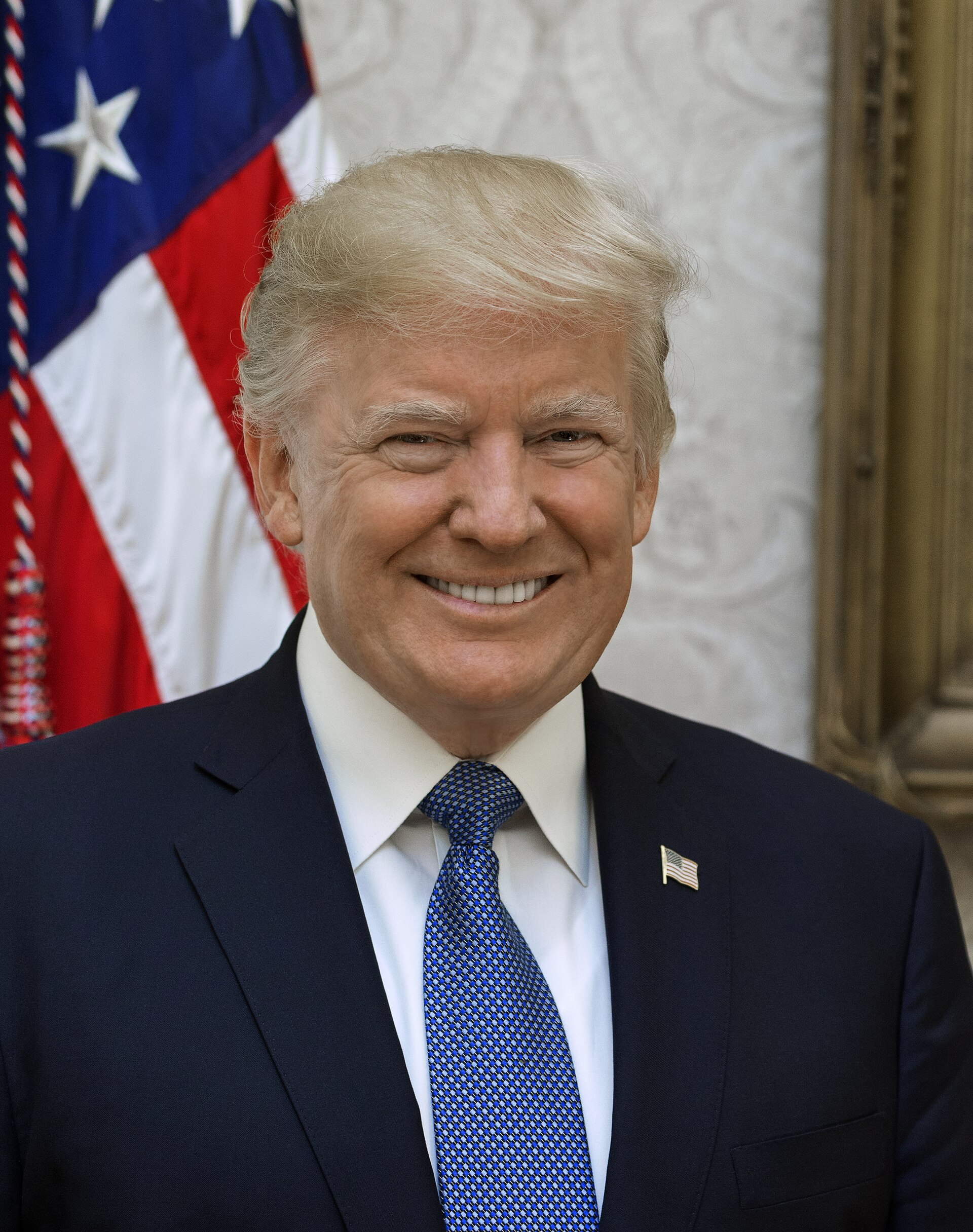
Donald Trump announced an energy ceasefire between Russia and Ukraine on Sunday, declaring it effective immediately. Within hours, Volodymyr Zelensky said Russia had struck at least six Ukrainian energy facilities since the announcement.
The attacks wounded 33 people across the country, Zelensky said. On Monday, Russia’s Foreign Minister Sergei Lavrov said Ukraine does not deserve a respite and rejected any pause in fighting. Trump, asked by reporters whether the two sides had actually agreed, offered a circular explanation. “Well, they agreed,” he said. “Because I said, ‘You agree’. That’s why they agreed, because I said they agree.”
Strikes across the country
The damage spread quickly. Blackouts hit the city of Izyum after a Russian strike destroyed power grids, according to Ukraine’s state news agency Ukrinform. Energy and railway infrastructure in western Ukraine was also targeted overnight. On Monday, Ukraine’s state-owned grid operator Ukrenergo reported new power cuts in Kharkiv, Donetsk and Zaporizhzhia due to damage caused by Russian attacks. Electricity rationing has been introduced in parts of Ukraine to avoid overloading damaged equipment, Ukrenergo said. The strikes came despite Trump’s assertion that the truce would take effect without delay.
Separately, a drone hit a 25-story residential building in Kyiv’s Darnytskyi district on Monday evening. Mayor Vitali Klitschko said one person was killed and 11 injured. Several cars in the building’s courtyard were also on fire.
Trump insists the deal holds
Trump called the war a disaster. When pressed about the Russian strikes, he said there have been violations on both sides. He also claimed, without offering evidence, that at least 32,000 people had been killed this month alone, a figure no other source corroborates. Zelensky said Ukraine supported an energy ceasefire and had not attacked Russian energy infrastructure. “This is what happens when Russia sees the prospect of higher revenues for its war machine,” he said.
The ceasefire announcement came two days after Trump temporarily eased US sanctions on Russian diesel, a move that preceded Sunday’s declaration. Trump has been urging Ukraine to stop strikes on Russian oil infrastructure so Russia can fulfil a deal to release diesel to the US and global market. Zelensky described the sanctions easing as a “gift” to Russian President Vladimir Putin. US lawmakers from both major parties said the diesel decision appears to violate US law, and several Republicans objected that it undercuts a law Trump himself signed to tighten restrictions on Moscow. The timing of the two actions, Friday’s sanctions easing and Sunday’s ceasefire declaration, has fuelled accusations that the White House is prioritising lower fuel prices over Ukraine’s security.
Allies sceptical
Trump’s announcement blindsided Kyiv and European allies. EU foreign policy chief Kaja Kallas said the bloc would welcome an energy ceasefire “when it holds” and said Russia had not yet shown it would stick to it. Estonia’s foreign minister said the ceasefire was “not working”. German Chancellor Friedrich Merz said Russia will only negotiate seriously under pressure. EU foreign ministers approved the largest set of EU sanctions since Russia’s 2022 invasion, adding some 1,569 people and businesses to the sanctions list.
An AP/University of Chicago poll published October 1 suggested 65 percent of US adults blame the White House for the high cost of living. US midterm elections are on November 3. Most polls predict Republicans will lose control of Congress.
Sources & methods
- BBC News, reporting on Ukrainian energy strikes, Ukrenergo power cuts, the Kyiv drone attack, and European reactions. Archived Oct 13, 2026
- Al Jazeera, reporting on Trump's ceasefire claims, the diesel sanctions easing, US lawmaker objections, EU sanctions, and US domestic polling. Archived Oct 13, 2026
This article draws on two published reports, from BBC News and Al Jazeera, cross-referenced against a fact ledger of corroborated and single-source items. Figures appearing in both sources are treated as corroborated; figures from one source only are attributed accordingly.