Russian glide bomb kills at least 30 on two buses in Kramatorsk as campaign against Ukraine’s transport network intensifies
The strike is one facet of a broader Russian shift from targeting power grids to immobilising trains, buses, ports and fuel infrastructure, analysts say.
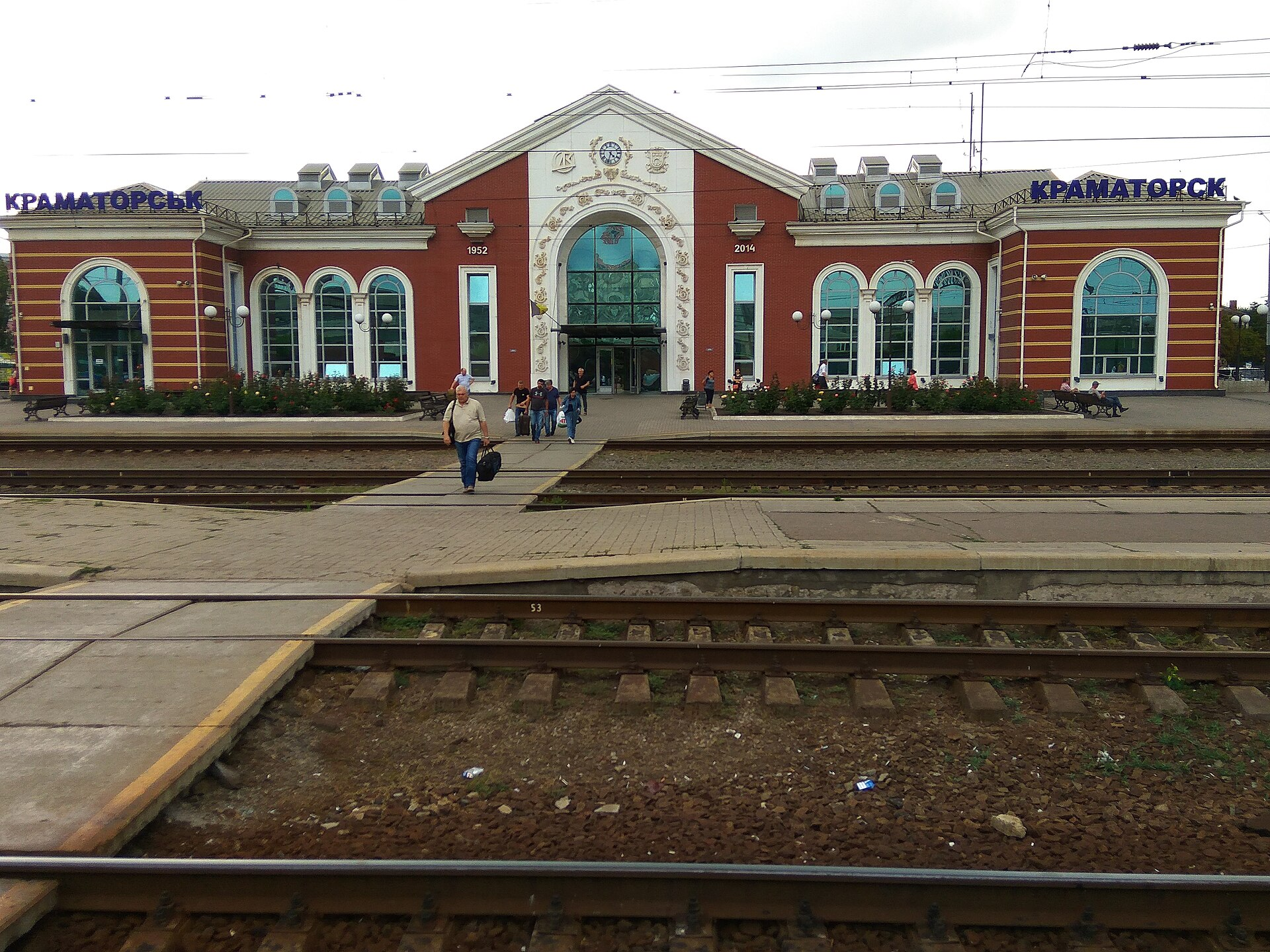
A Russian glide bomb struck two passenger buses in Kramatorsk on Thursday morning, killing at least 30 people and wounding 18.
Vadym Filashkin, the Donetsk regional administration head, reported the attack and casualties. He ordered the suspension of all public transportation in Kramatorsk and neighbouring Slovyansk, accusing Russia of deliberately targeting civilians. “For them, a bus full of passengers is an attractive target precisely because a single strike can kill the maximum number of people,” Filashkin wrote on Telegram. He appealed to anyone still in the eastern front-line region to move to safer parts of Ukraine, saying “we have no right to risk the lives of passengers and drivers.”
Kramatorsk lies approximately 20 kilometres from the front line. For much of the war it served as a logistics and supply hub for the Ukrainian military, but it has since come under almost daily Russian attack. In late August, as many as nine glide bombs were fired at Kramatorsk in a single day. The bombs are fitted with winglets and dropped from planes on the Russian side of the front line, gliding toward fixed coordinates on the ground. Three people were also killed in the village of Bilenke, part of the Kramatorsk community. Kramatorsk City Council said there were absolutely no military targets at the location.
From power grids to transportation collapse
Volodymyr Fesenko, head of the Kyiv-based Penta think tank, described the transportation targeting as a new Russian tactic. He said Russia previously focused on depriving Ukraine of power but now aims to immobilise infrastructure and create a transportation collapse. The campaign is inflicting measurable damage. At least 521 locomotives have been hit by drones and shelling since 2022, three-fifths of them in 2026 alone, according to Ukrzaliznytsia, the state-run railway monopoly. Trains handle almost two-thirds of Ukraine’s freight volumes, including steel, grains and vegetable oils. The largest train attack killed five passengers in January in the Kharkiv region. Russian drones also target petrol stations, buses, minibuses and seaports. On July 6, an AI-driven drone struck a petrol station in Zaporizhzhia, killing 18-year-old student Tetiana Bubynets and two others aged 31 and 48.
Strikes across Ukraine this week
A separate attack destroyed a five-storey block of flats in Pryluky east of Kyiv early on Wednesday, killing 22 people including five children, three of whom were one year old. Kyiv mayor Vitali Klitschko said attacks on Thursday killed three people, with 14 others injured. Russian attacks on infrastructure are causing power outages that affect water supply; Kyiv water authorities warned pressure was dropping on the city’s right bank.
President Zelensky said the strike would not go without a response and said Russia is trying to destroy all life in Donbas. UK Foreign Secretary Ed Miliband met Zelensky in Kyiv on Thursday and announced more sanctions covering the war machine, shadow fleet, oil companies, crypto and war financing. Miliband said the UK would stand with Ukraine as long as it takes. UN figures show 15,280 civilians were killed or injured in the first eight months of 2026, 55 percent higher than the same period in 2025. Russia has denied targeting Ukrainian civilians. Moscow had not yet commented on the latest attack.
Sources & methods
- BBC News report on the Kramatorsk bus strike and broader Russian attacks across Ukraine Archived Oct 8, 2026
- Al Jazeera report on the Kramatorsk strike and Russia's campaign against Ukraine's transportation system Archived Oct 8, 2026
Reporting based on two published news accounts corroborated against a fact ledger; casualty figures, official statements and analyst assessments drawn from sources as attributed.