Saudi Arabia vows a ‘serious response’ after Houthi attacks kill 13 at Riyadh airport and force its closure
A week of escalating strikes on King Khalid International Airport has shut down one of the Middle East’s busiest airports, prompted an FAA warning, and pushed Delta Air Lines to postpone its first nonstop service to Saudi Arabia.
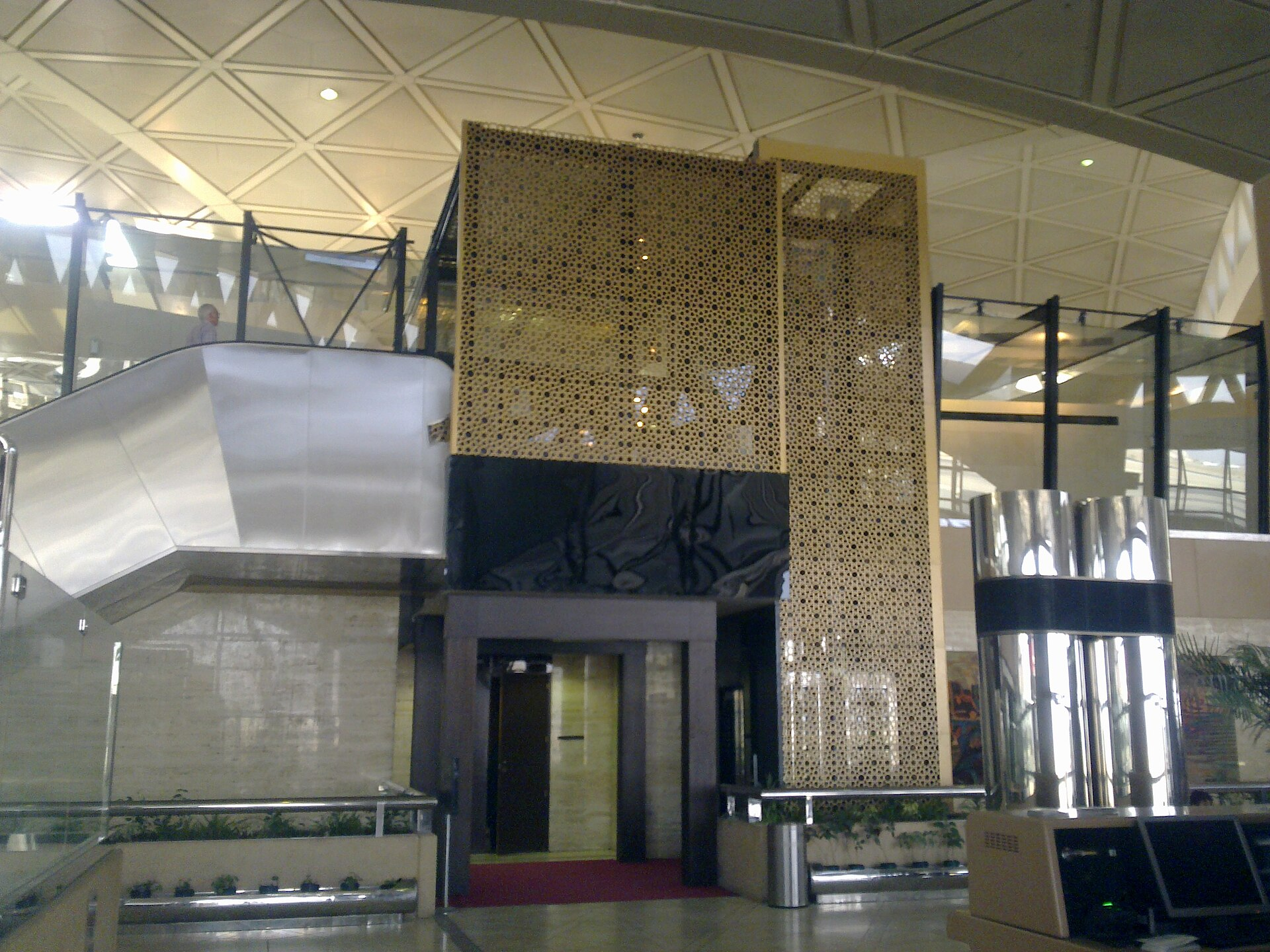
Houthi attacks on Riyadh’s King Khalid International Airport killed 13 people on Saturday, and Saudi Arabia’s energy minister vowed a ‘serious’ response as the airport remained closed on Monday.
The Federal Aviation Administration issued a warning late Sunday telling pilots to ‘exercise caution’ in or around Saudi Arabia ‘due to safety-of-flight risks associated with ongoing military activities’ and navigation systems, with the directive in effect until Dec. 10. Delta Air Lines delayed the launch of its Atlanta-Riyadh nonstop service, originally set for Oct. 23, until March. Since Thursday, more than 2,000 flights have been canceled to and from King Khalid International Airport, according to FlightAware. The U.S. and Australia advised citizens against travel to the region.
A week of strikes on the capital’s airport
Last Thursday, three Saudis, including a pilot for the national airline Saudia, were killed in two strikes on an airport facility and an aircraft on the ground. The attacks escalated on Saturday, when a Houthi missile struck Terminal 3, killing 13 people per the BBC or at least 12 per CNBC, and wounding more than 300. The Saturday attack forced the airport’s closure. On Sunday, a Pakistani resident was killed when a projectile hit Terminal 4, according to Saudi Arabia’s General Authority of Civil Aviation. King Fahd International Airport in Dammam was also attacked Sunday evening, but no casualties were reported. The airport has been attacked four times over the past week, per the BBC.
Houthi military spokesman Yahya Sarea said in a video statement on Sunday evening that his forces had launched missiles and drones at Riyadh and Dammam’s airports, as well as two oil and gas facilities in Eastern Province, in response to 124 Saudi air strikes in Yemen over the previous 24 hours. Sarea reiterated a warning to airlines and passengers against using Saudi airports and airspace, except for journeys to and from Mecca and Medina. The Houthis said the attacks were retaliation for Saudi aggression against areas they control in western Yemen.
Saudi vow and international reaction
Prince Abdul Aziz bin Salman addressed the WPC Energy Congress on Monday at a convention centre about 10km from the airport, telling delegates, ‘The events of recent weeks are serious. Our response must be equally serious.’ UN Secretary General António Guterres said he was ‘deeply shocked’ and warned that attacks on civilians and civilian infrastructure violate international law. President Donald Trump said he would ‘make a decision’ about the U.S. joining Saudi Arabia’s strikes on the Houthis, and the U.S. military is reportedly already providing intelligence and targeting support to the Saudi-led coalition. Iran said it was ‘deeply concerned’ by the escalation and called for ‘dialogue and engagement’ to resolve the situation, according to the BBC.
Aviation fallout
Delta CEO Ed Bastian told CNBC on Thursday that the airline had not yet decided whether to postpone the debut. ‘Obviously, we were disappointed to see the news this week,’ he said. ‘Safety is going to make the call.’ Delta planned to use an Airbus A350-900 wide-body plane for the route, marking the first nonstop commercial flight between the U.S. and Saudi Arabia operated by a U.S. airline. The carrier said it remains in close contact with relevant government and aviation partners, including Saudia and Riyadh Air. The route between Riyadh and Jeddah was the fifth-busiest in the world last year, according to aviation-data firm OAG. Most U.S. airlines don’t fly to Saudi Arabia, but the country’s flights and passenger counts had climbed in recent years.
War reignites on Yemen’s Red Sea coast
According to the BBC, Yemen’s civil war began in 2014, when the Houthis ousted the government from Sanaa, and the conflict escalated in 2015 after the Saudi-led coalition intervened in an attempt to restore the government’s rule. A four-year-old informal ceasefire began to unravel in July, when the Houthis announced a ‘maritime embargo’ against Saudi Arabia, the BBC reported. Last month, the Houthis launched a surprise offensive along Yemen’s south-western Red Sea coast, ousting pro-government forces from areas overlooking the Bab al-Mandab Strait, per the BBC. The BBC reported that the seizure of the strait contributed to a surge in global oil prices because Saudi Arabia had been relying on the Red Sea for oil exports after the Strait of Hormuz was effectively closed. Last week, the Yemeni government announced the start of a new offensive aimed at retaking all territory held by the Houthis, according to the BBC. Pro-government forces claimed they quickly retook areas around Bab al-Mandab with the help of intense Saudi air strikes, but the Houthis denied losing any territory, per the BBC.
The Houthi-run health ministry said a child was killed and six other people were injured in a Saudi air strike on a home in Sanaa on Sunday, per the BBC. The Saudi-led coalition is providing air support for Yemeni pro-government forces battling the Houthis on Yemen’s Red Sea coast and other areas, according to the BBC.
Sources & methods
- BBC News, 'Saudi minister vows serious response to Houthi attacks on airports' Archived Oct 12, 2026
- CNBC, 'FAA warns U.S. airlines of safety risks over Saudi Arabia after attacks' Archived Oct 12, 2026
- CNBC, 'Delta delays debut of Saudi Arabia service until March after Riyadh airport attacks' Archived Oct 12, 2026
This article draws on reporting from the BBC and CNBC, including FAA notices, airline statements, FlightAware data, OAG data, and statements from Saudi, Houthi, UN, U.S., and Iranian officials.