South Korea’s education minister resigns after last-minute anti-cheating measures disrupt national entrance exam
A cheater’s video confession four days before the Suneung forced authorities to improvise unprecedented AI-cheating defences that upended the exam for half a million students.
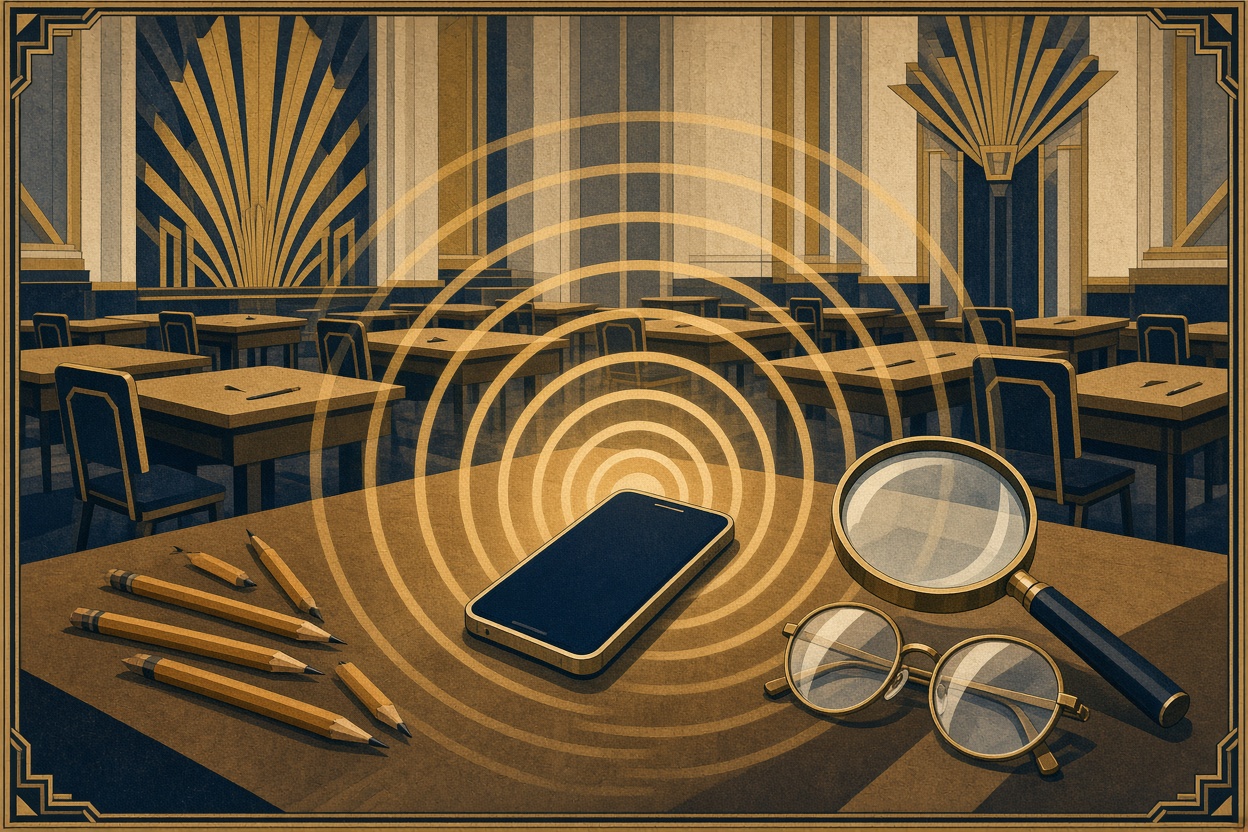
South Korea’s education minister Choi Kyo-jin resigned after last-minute measures to stop AI-assisted cheating during the Suneung caused widespread chaos. President Lee Jae Myung accepted the resignation.
The crisis was triggered last Sunday, four days before the Suneung, when Han Won-seok, 34, confessed via a video message posted to his lawyer’s YouTube account. He said he had photographed questions with a concealed microcamera, sent them to an AI system, and read the answers on a smartphone. “I cheated in the tax accountant exam,” he said. “My top placing is not the result of legitimate effort.” Han had scored top in the April tax accountancy exam with just one out of 160 questions wrong, a result that had drawn speculation over its legitimacy. His confession gripped a country where concerns over academic dishonesty during the fiercely competitive exam had been brewing for weeks after reports of candidates cheating with the help of AI devices.
Emergency measures rolled out in days
Authorities scrambled to improvise unprecedented defences. Three emergency alerts were sent between 08:00 and 15:00 on Thursday to detect smuggled smartphones, causing phones across the country to blare at full volume even on silent mode and even for tourists using data roaming. The alerts could not be silenced. Phones that were switched off or on airplane mode stayed silent. It was the first time South Korea used its national disaster alert system to catch exam cheaters. Students were told to avoid clothes with buttons. Those who did had stickers placed over the buttons to block hidden cameras. Eyewear was inspected for concealed cameras, and officials also checked watches, collars, and sleeves. Students were told to bring pencils only, with erasers provided by test centres to reduce the chances of concealed devices disguised as stationery. Public wifi was blocked in testing areas. The number of supervisors was doubled. Smart devices had to be turned off and handed in, and bags left in corridors were checked for any devices still on. The government promised a reward of at least $75,000 (£57,300) for anyone reporting cheating or misconduct, with reduced penalties for those who turned in accomplices.
About 500,000 students took this year’s Suneung, an exam that one source describes as lasting up to nine hours and another as eight. The country goes to extraordinary lengths for its smooth running. Aircraft takeoffs and landings are rescheduled during the 25-minute English listening paper. Artillery fire and tank movements are suspended. The stock market opens an hour late, and cars are stopped 200 metres from every centre. The last-minute anti-cheating measures made even honest test-takers paranoid. One high school senior told the Korea Times he worried his horn-rimmed spectacles would be mistaken for smart glasses. Another student told Yonhap he wore contact lenses instead of glasses to avoid suspicion. A high-school student filed a constitutional petition challenging the decision to go ahead with the exam. A court rejected it, citing insufficient evidence of irreparable harm. The scandal has rattled a country where standardised tests largely dictate social mobility and career trajectories.
Authorities identified 111 cases of misconduct involving unauthorised electronic devices during Thursday’s exam. Nearly half were detected through the emergency alerts. Students caught cheating can be barred from retaking the exam for 10 years and face criminal prosecution.
Minister’s age remark and resignation
During a parliamentary hearing on Monday, Choi, aged 72, was asked whether he was confident authorities could catch would-be cheaters on exam day. “Due to my age, I am not confident I could,” he replied, drawing public backlash. Choi did not appear at press conferences before the exam. A vice-minister announced the preventive measures instead. Choi struggled to reassure the public in the days before the exam. After the exam, Choi wrote that it had concluded without any major incidents but that he did not believe he was immune from public criticism that the government had failed to prepare adequately in advance. He said he took full responsibility and offered his resignation. His statement was reported by Yonhap and posted on X.
Teachers’ unions criticised the government response as belated. President Lee Jae Myung had been calling for an overhaul of the current exam system. The Suneung determines university placement and future career prospects in South Korea, and is widely seen as a ticket to prestigious universities, well-paid jobs, and even better marriage prospects in the highly competitive country.
Sources & methods
Reporting based on two published accounts of the Suneung cheating scandal, the education minister’s resignation, and the government’s emergency anti-cheating measures, cross-referenced for corroborated and disputed facts.