SpaceX keeps throttling Starlink in Ukraine as Kyiv searches for alternatives
Ukrainian officials say restrictions remain despite Trump’s claims, disrupting drone operations and exposing a dependency with no near-term replacement.

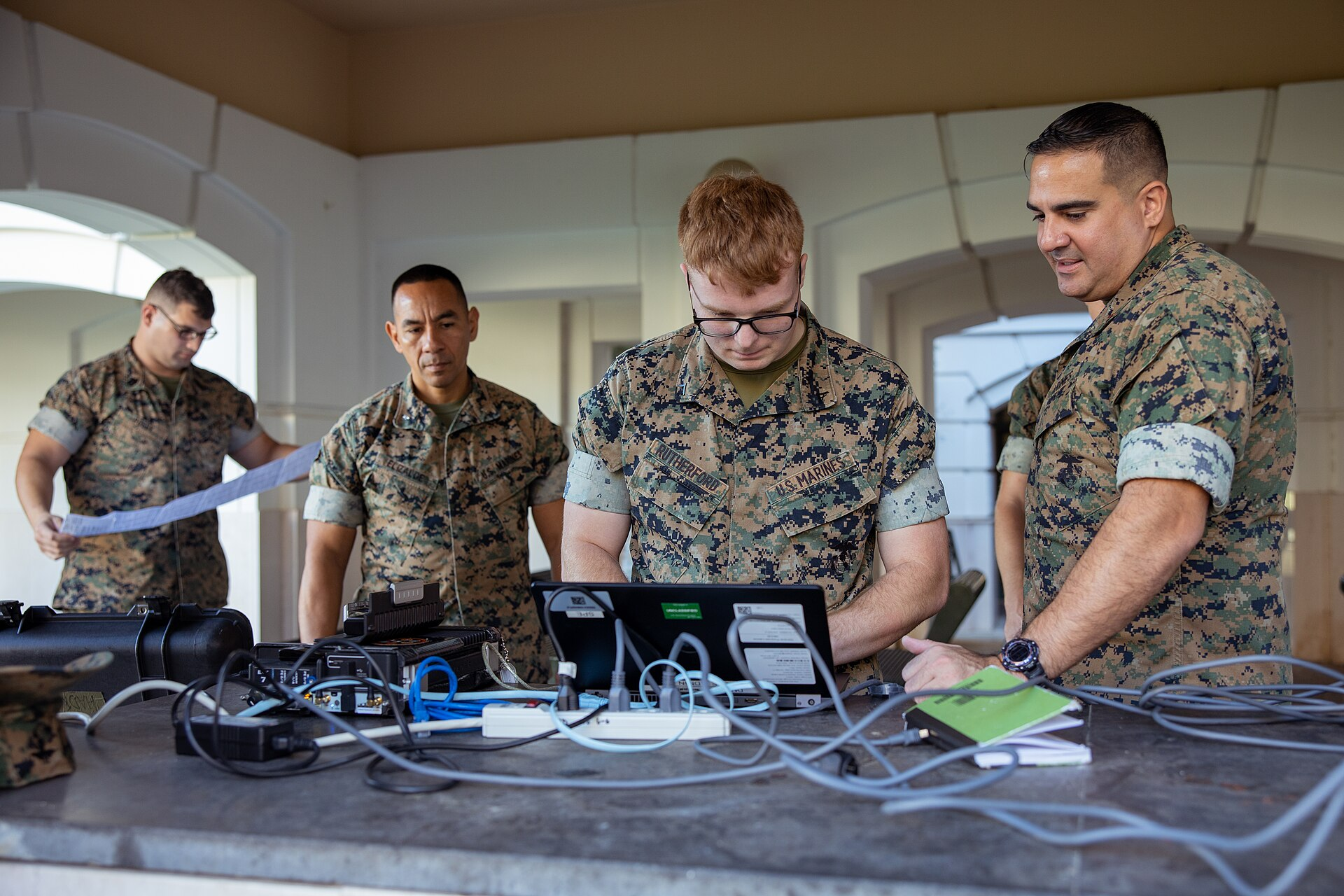
SpaceX restrictions on Starlink and Starshield satellite internet service in Ukraine remained in place as of Friday, despite President Donald Trump’s assurances that the limits had been reversed. Ukrainian defense ministry sources say drones traveling above 100 mph (161 km/h) continue to lose connectivity, hampering military operations across the front lines.
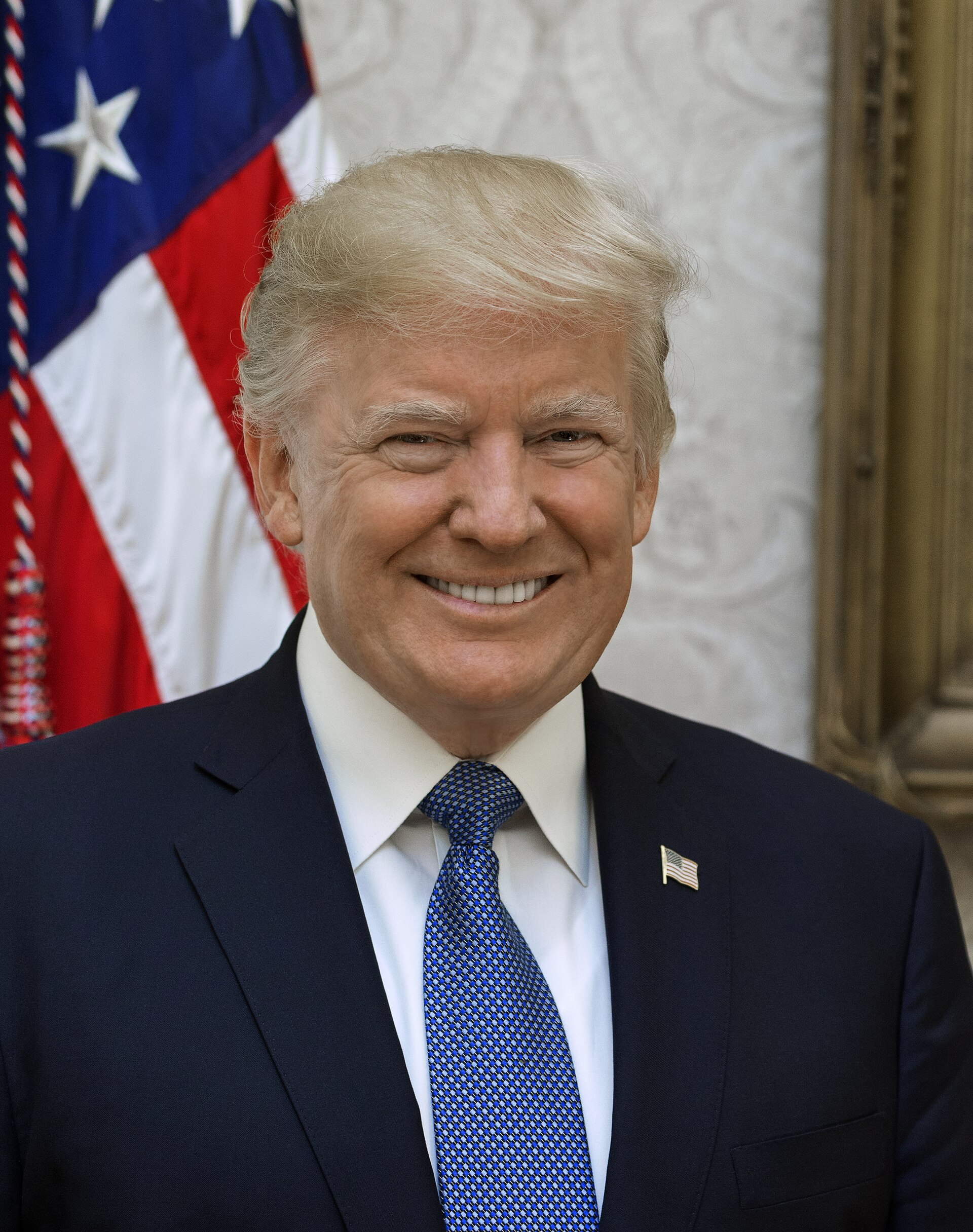
Trump told reporters Thursday that Musk had “put it back,” and on Friday reiterated that he believed the service was restored. “I’ve heard it was fixed,” Trump said outside the White House. “But if it’s not, I’ll speak to him.” The Wall Street Journal reported Thursday that Trump spoke to Musk by phone about lifting the restrictions on Ukraine’s Starshield terminals. Trump said Thursday he did not “want to comment one way or the other” about whether he made the call, then on Friday insisted he had not spoken to Musk. Ukrainian officials, including deputy ambassador Denys Sienik, confirmed that restrictions remained. “Unfortunately, as of today, nothing has changed,” Sienik wrote on X. “We continue to wait.” Zelenskyy said in a Friday post that the restrictions “are still there” and that “the speed has not been restored.”
The restrictions, which Ukrainian officials say began around Oct. 14, have disrupted Ukraine’s ability to use attack drones and coordinate defensive operations. Dmitri Alperovitch of the Silverado Policy Accelerator confirmed that Starshield terminals continued to experience problems on Friday. “They are losing drones,” Alperovitch told CNBC. “Ability to do mid strike to hit Russian logistics is now limited.” Reports have linked the throttling to two deaths and at least 17 injuries by making it easier for Russia to attack energy infrastructure. Serhii Beskrestnov, Zelenskyy’s defense tech advisor, said isolated cases of Starlink operating beyond the established limits were likely due to SpaceX algorithms or specific usage conditions, rather than an actual removal of restrictions. Ukraine uses both the civilian Starlink service and the more secure Starshield, which allows drone operators to see targets in real time and to operate interceptor drones. One Ukrainian soldier said there was “simply no alternative” to Starshield, and that connectivity had been cutting out even at 80 km/h. “God forbid they shut it off completely — it would be an absolute catastrophe,” the soldier told the BBC. Zelenskyy said Friday that things have become harder partly because of the Starlink and Starshield speed limits, but added that the frontline is still holding. SpaceX has approximately 10,000 to 11,000 satellites in orbit.
Kyiv looks for a way out
Ukraine’s Ministry of Defense signed a letter of intent with Nokia and ICEYE, a Finnish space intelligence firm, to explore cooperation in space and support Ukraine’s defense capabilities, particularly in building sovereign satellite communications. Zelenskyy also met with Norwegian officials and Kongsberg, a Norwegian defense company, to discuss air defense systems and launching work on new satellite communication capabilities for Ukrainian forces. “Modern warfare has proven that reliable communications are a matter of national security,” Zelenskyy said in a statement. “We must all rely on capabilities that we can control.” The moves signal Kyiv’s urgency to reduce its dependence on a single provider that can be throttled without warning.
Since Russia’s invasion in February 2022, approximately $8 billion has been invested in Starlink and Starshield alternatives, according to research by Space Capital. About $3.9 billion of that has gone to potential competitors, mostly Spacesail and China SatNet. Chad Anderson of Space Capital said a Starlink alternative could be “two to three years away,” and that matching Starlink’s scale is a longer road. Anderson noted that Pentagon contracting documents say SpaceX is the only provider that can meet some of its needs through 2026. “Capital isn’t the constraint any more,” he said. “Launch is.” Virginia Burger of the Project on Government Oversight said there is no drop-in replacement for Starlink, and that combat is increasingly moving toward unmanned systems and drone warfare that require high-speed internet. Rivals to Starlink include Amazon’s Leo, France’s Eutelsat, and Blue Origin’s forthcoming TeraWave service. The EU is building IRIS², a constellation of hundreds of satellites, but its first launches are not expected until 2029.
Political pressure and disputed blame
Musk previously said Starshield was controlled by the US military and suggested the Pentagon could be behind the issues. The White House denied deliberately placing limits on the network. Lawmakers from both parties called for a formal probe of Musk and SpaceX regarding the service changes. A bipartisan group penned a letter to Defense Secretary Pete Hegseth urging the agency to act expeditiously to expand Starshield arrangements and ensure uninterrupted satellite communications support for Ukraine. The restrictions came during a diplomatic row between Trump and Zelenskyy over Ukrainian strikes on Russian oil infrastructure, which Kyiv says are crucial to stemming Moscow’s main revenue source for the war. SpaceX executives did not respond to requests for comment.
Sources & methods
- BBC News reporting on Starlink restrictions in Ukraine, Trump's statements, and battlefield impact Archived Oct 24, 2026
- CNBC reporting on Ukraine's Nokia and ICEYE partnership, investment in Starlink alternatives, and industry analysis Archived Oct 24, 2026
- CNBC reporting on continued Starshield throttling, Ukrainian official statements, and the Trump-Musk phone call dispute Archived Oct 24, 2026
- The Verge reporting on SpaceX's market dominance, the toll of Starshield throttling, and expert analysis of Musk's grip on the space industry Archived Oct 24, 2026
Four published sources were used. Direct quotes were verified against the original source texts. Single-source claims, including the reported casualty figures of two deaths and at least 17 injuries, were attributed accordingly and not presented as independently confirmed. The disputed Trump-Musk phone call was presented with both readings: the Wall Street Journal’s report that it occurred and Trump’s denial that he had spoken to Musk. No technical mechanism for the speed-based throttling was described, as the sources did not establish it. The financial terms and operational timeline of the Nokia-ICEYE letter of intent were omitted for the same reason. SpaceX did not respond to requests for comment from any of the sources cited.